
Aquastrong Riptide Series 2 HP In/Above Ground Pool Pump, 220V Dual Speed, Up to 8,586 GPH High Flow, Pure Copper Motor, Energy
- Dual-Speed Performance for Flexible Use Switch between two speeds to fit different needs. High speed.
- Powerful 2 HP Motor with High Flow Rate Equipped with a high performance 2 HP motor (220V/60Hz), this pump.
- Pure Copper Motor for Long-Lasting Performance Built with a premium pure copper motor for higher.
- Wide Compatibility & Easy Installation Includes 1.5" and 2" adapters for flexible connection to most.

Aquastrong Riptide Series 1.5 HP In/Above Ground Pool Pump, 220V Dual Speed, Up to 6,604 GPH High Flow, Pure Copper Motor, Energy
- Dual-Speed Performance for Flexible Use Switch between two speeds to fit different needs. High speed.
- Powerful 1.5 HP Motor with High Flow Rate Equipped with a high performance 1.5 HP motor (220V/60Hz), this.
- Pure Copper Motor for Long-Lasting Performance Built with a premium pure copper motor for higher.
- Wide Compatibility & Easy Installation Includes 1.5" and 2" adapters for flexible connection to most.

Aquastrong Riptide Series 2 HP In/Above Ground Pool Pump, 220V Single Speed, Up to 8,586 GPH High Flow, Pure Copper Motor, Energy
- High-Efficiency 2HP Pool Pump (220V): Delivering an impressive flow rate of 8,586 GPH, this powerful 2HP.
- Pure Copper Motor: Equipped with a premium-grade pure copper motor, this pool pump delivers exceptional.
- Versatile Compatibility: Designed with flexibility in mind, this single-speed pool pump includes two.
- Built to Last: Engineered for durability, this pool pump operates on 220V and comes equipped with a.
A pool pump is the heart of any swimming pool system. It circulates water through the filter, heater, and chemical feeders, keeping your pool clean and inviting. Choosing the wrong pump can lead to cloudy water, inefficient cleaning, and unnecessarily high electricity costs. Understanding how to choose a pool pump involves several key factors, from your pool's size to the pump's energy efficiency.
Understanding Pool Pump Types
Before you can pick a pool pump, it helps to know the main types available. Each offers different benefits and drawbacks, primarily affecting energy consumption and initial cost.
Single-Speed Pool Pumps
Single-speed pumps operate at one fixed speed, running at full power whenever they are on. They are generally the least expensive to purchase upfront. However, their constant high power draw means they consume the most electricity over time. They are often suitable for smaller above-ground pools or for owners with very limited budgets who are willing to accept higher operational costs.
Dual-Speed Pool Pumps
Dual-speed pumps offer two distinct operating speeds: a high speed for tasks like vacuuming or backwashing, and a low speed for everyday filtration. Running the pump at a lower speed for longer periods can significantly reduce energy consumption compared to a single-speed model. This makes them a more energy-efficient choice for many pool owners, balancing initial cost with long term savings.
Variable-Speed Pool Pumps
Variable-speed pumps are the most energy-efficient option on the market. They allow you to program a wide range of speeds, precisely matching the flow rate to specific pool tasks. This flexibility means the pump can run at very low speeds for most of the day, using considerably less electricity. While they have a higher initial purchase price, variable-speed pumps often pay for themselves through energy savings within a few years, especially for larger pools or those run for many hours daily. Many utility companies offer rebates for installing these pumps.
How to Choose a Pool Pump Size
Properly sizing your pool pump is critical for efficient operation. A pump that is too small will not circulate water effectively, leading to poor filtration and potential algae growth. A pump that is too large will waste energy, create excessive noise, and potentially stress your filter system. The goal is to achieve a sufficient turnover rate, which is how long it takes for all the water in your pool to pass through the filter system.
Calculating Turnover Rate and GPM
Most experts recommend that a pool's entire volume of water be turned over at least once every 8 to 12 hours. For pools with heavy use or warmer climates, a shorter turnover time (e.g., 6 hours) might be better. To figure out how to choose pool pump size, you need two pieces of information:
- Pool Volume: Calculate the volume of your pool in gallons. For rectangular pools, multiply length x width x average depth x 7.5 (gallons per cubic foot). For round pools, multiply diameter x diameter x average depth x 5.9.
- Required Flow Rate (GPM): Divide your pool's volume by your desired turnover time in minutes (e.g., 8 hours = 480 minutes). This gives you the required Gallons Per Minute (GPM). For example, a 20,000-gallon pool needing an 8-hour turnover requires 20,000 / 480 = 41.67 GPM.
Once you have your target GPM, you also need to consider the 'Total Dynamic Head' (TDH) of your plumbing system. TDH accounts for resistance from pipes, fittings, and equipment like filters and heaters. This is a more complex calculation often best done by a professional, but a general rule of thumb for residential pools is that a pump's maximum flow rate should not exceed your filter's maximum GPM capacity. Make sure the pump's GPM at your estimated TDH meets your required flow rate.
Horsepower (HP) and Flow Rate
Pump horsepower (HP) is a common metric, but it is not the only factor. A pump's flow rate (GPH or GPM) is more important than its HP rating alone. A 1.5 HP pump from one manufacturer might have a different flow rate than a 1.5 HP pump from another, depending on its impeller design and motor efficiency. Always check the maximum flow rate (GPH or GPM) against your calculated needs.
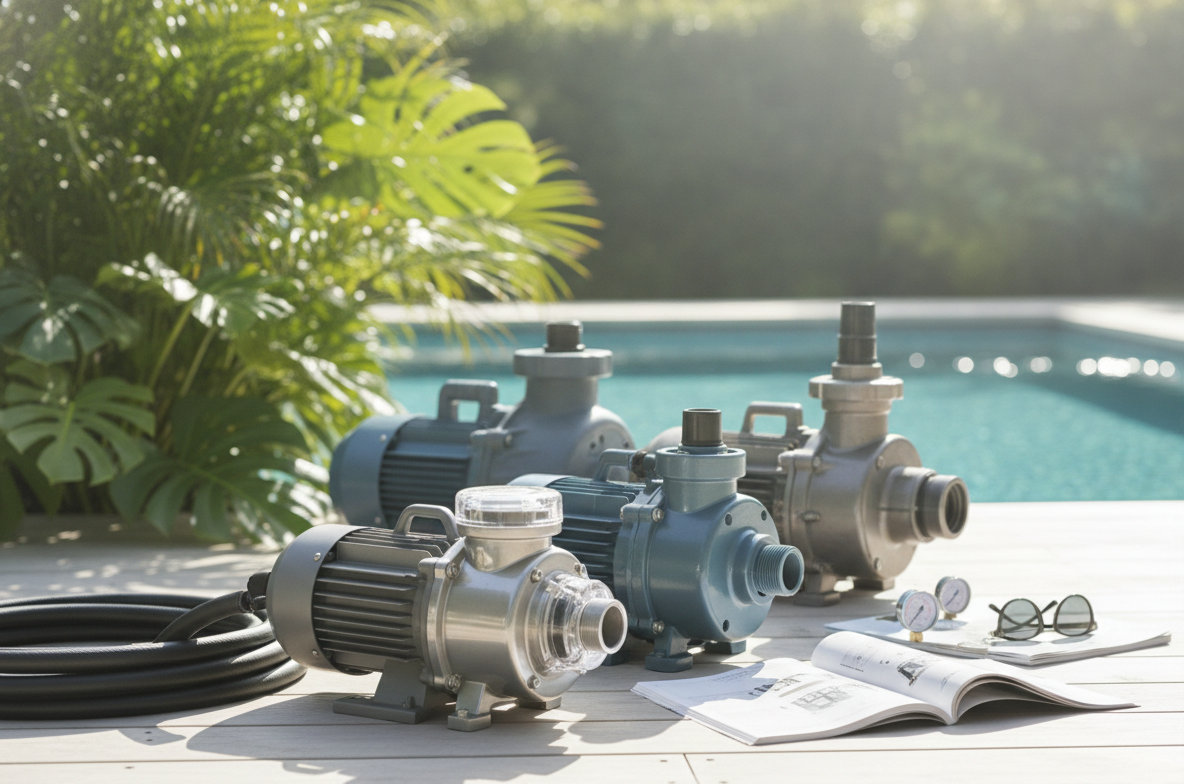
When considering how to choose the right pump for your pool, the Aquastrong Riptide Series offers several strong contenders. These pumps are known for their pure copper motors, which contribute to long-lasting performance.
Recommended Dual-Speed Option for Most Pools: Aquastrong Riptide Series 2 HP In/Above Ground Pool Pump
The Aquastrong Riptide Series 2 HP In/Above Ground Pool Pump is an excellent choice for many pool owners. Its dual-speed performance offers flexibility, allowing you to switch between high speed for cleaning and a lower speed for routine filtration. The powerful 2 HP motor (220V/60Hz) delivers a high flow rate of up to 8,586 GPH, making it suitable for larger pools. The pure copper motor is a significant advantage for durability.
Good for Smaller Pools or Energy Conscious Users: Aquastrong Riptide Series 1.5 HP In/Above Ground Pool Pump
For slightly smaller pools or those prioritizing energy savings without needing maximum power, the Aquastrong Riptide Series 1.5 HP In/Above Ground Pool Pump is a solid option. This 220V dual-speed pump provides a high flow rate of up to 6,604 GPH, sufficient for many residential pools. Like its 2 HP counterpart, it features a pure copper motor for extended life.
Budget-Friendly High-Flow Option: Aquastrong Riptide Series 2 HP In/Above Ground Pool Pump (Single Speed)
If your budget is tight and you need high flow, the Aquastrong Riptide Series 2 HP In/Above Ground Pool Pump (Single Speed) delivers. This 220V pump provides an impressive 8,586 GPH flow rate. Keep in mind that as a single-speed model, its operational electricity costs will be higher than dual or variable-speed pumps over the long term. It also features a premium-grade pure copper motor for reliability.
Energy Efficiency and long term Costs
The upfront cost of a pool pump is only part of the equation. The long term cost of ownership, primarily driven by energy consumption, is often much higher. Single-speed pumps are less expensive initially but can cost hundreds of dollars more per year in electricity than dual or variable-speed models. Variable-speed pumps, despite their higher purchase price, offer substantial savings. They can often reduce energy consumption by 75% or more compared to single-speed pumps.
When you choose a pool pump, think about the total cost over its lifespan. A pump designed with a pure copper motor, like the Aquastrong Riptide series, contributes to durability, reducing the likelihood of early replacement or repair costs. For more information on potential replacement costs, see our article on the Cost to Replace a Pool Pump.
In-Ground vs. Above-Ground Compatibility
Pool pumps are specifically designed for either in-ground or above-ground pools. In-ground pool pumps are typically more powerful and designed to handle the greater plumbing resistance of a larger, more complex system. Above-ground pool pumps are often smaller, less powerful, and sometimes come with different connection types. Make sure you select a pump explicitly rated for your type of pool.
For those with above-ground pools, proper setup is just as important as choosing the right pump. Our guide on How to Set Up an Above Ground Pool Pump Correctly provides helpful instructions.
Noise Levels and Installation
Some pumps can be quite noisy, which might be a concern if your pump is located near a patio or living area. Variable-speed pumps often run quieter at lower speeds. Consider checking decibel ratings if noise is a factor for you.
Installation can be a DIY project for experienced homeowners, especially for above-ground models. However, wiring a 220V pump or dealing with complex plumbing for an in-ground system often requires a professional.
Maintenance Considerations
All pool pumps require some basic maintenance. This includes regularly emptying the skimmer and pump baskets to prevent clogs and make sure adequate water flow. A clogged basket can cause a pump to lose prime or work harder, leading to premature wear. If your pool pump is not priming, check the baskets first.
Inspect the pump lid O-ring for cracks or dryness, which can cause air leaks. Lubricate it periodically. Winterizing your pump correctly in colder climates also helps extend its lifespan.
Red Flags and What to Avoid
- Unrealistic Promises: Be wary of pumps promising extremely high flow rates with very low HP, or claims of zero energy cost.
- Noisy Operation: Excessive noise can indicate a worn motor, bad bearings, or poor design.
- Poor Warranty: A reputable manufacturer will offer at least a 1-year warranty, with better pumps offering 2-3 years.
- Cheap Materials: Pumps with flimsy plastic housings or non-copper motors may not last as long. A pure copper motor, like those in the Aquastrong Riptide series, indicates a higher quality build.
Making Your Final Decision
To choose the right pool pump, weigh your pool's size, your budget, and your desire for long term energy savings. For most homeowners, a dual-speed or variable-speed pump offers the best balance of performance and economy. The initial higher cost is often offset by significant savings on your electricity bill over the life of the pump.
Consider the Aquastrong Riptide Series 2 HP Dual Speed pump for its robust motor, high flow, and energy-saving capabilities. If your pool is smaller, the 1.5 HP Dual Speed model provides similar benefits at a slightly lower capacity. For those prioritizing a lower initial investment, the 2 HP Single Speed offers strong performance, though with higher running costs.
By carefully evaluating these factors, you can pick a pool pump that keeps your water sparkling clean and your energy bills manageable.
Frequently Asked Questions About Choosing a Pool Pump
Aquastrong Riptide Series 2 HP In/Above Ground Pool Pump, 220V Dual Speed, Up to 8,586 GPH High Flow, Pure Copper Motor, Energy
- Dual-Speed Performance for Flexible Use Switch between two speeds to fit different needs. High speed.
- Powerful 2 HP Motor with High Flow Rate Equipped with a high performance 2 HP motor (220V/60Hz), this pump.
- Pure Copper Motor for Long-Lasting Performance Built with a premium pure copper motor for higher.
- Wide Compatibility & Easy Installation Includes 1.5" and 2" adapters for flexible connection to most.
Aquastrong Riptide Series 1.5 HP In/Above Ground Pool Pump, 220V Dual Speed, Up to 6,604 GPH High Flow, Pure Copper Motor, Energy
- Dual-Speed Performance for Flexible Use Switch between two speeds to fit different needs. High speed.
- Powerful 1.5 HP Motor with High Flow Rate Equipped with a high performance 1.5 HP motor (220V/60Hz), this.
- Pure Copper Motor for Long-Lasting Performance Built with a premium pure copper motor for higher.
- Wide Compatibility & Easy Installation Includes 1.5" and 2" adapters for flexible connection to most.
Aquastrong Riptide Series 2 HP In/Above Ground Pool Pump, 220V Single Speed, Up to 8,586 GPH High Flow, Pure Copper Motor, Energy
- High-Efficiency 2HP Pool Pump (220V): Delivering an impressive flow rate of 8,586 GPH, this powerful 2HP.
- Pure Copper Motor: Equipped with a premium-grade pure copper motor, this pool pump delivers exceptional.
- Versatile Compatibility: Designed with flexibility in mind, this single-speed pool pump includes two.
- Built to Last: Engineered for durability, this pool pump operates on 220V and comes equipped with a.