
SPX2607C Super Pump Impeller Super II Max Flo 1 HP | Compatible with Hayward SPX2607C Impeller Replacement Pool Pumps Parts
- Compatible with superpump pump sp2600x series models sp2600x5, sp2605x7, sp2607x10, sp2607ee, sp2610x15.
- Compatible with maxflo pump sp2800x series models sp2800x5, sp2805x7, sp2807x10, sp2810x15, sp2815x20
- Compatible with PowerFloII pump SP1700 series models SP1705, SP1710, SP1711, SP1720, SP1725, SP1750.
- Compatible with super ii pump sp3000 series models sp3007(eeaz) (eeca), sp3010(eeaz), sp3015(eeaz).

073129 Pump Impeller 1-1/2 HP and 2 HP | Compatible with Pentair WF-6 WFE-6 WFK-6 WFDS-6, Compatible with WF-28 WFE-28 WFDS-28,
- Fits for 1-1/2 HP and 2 HP 1000 Series Pump WF-6 WFE-6 WFK-6 WFDS-6 WF-28 WFE-28 WFDS-28
- Outstanding Performance: The 073129 Impeller stands out for its exceptional performance, efficiently.
- high quality Materials: Manufactured using highly materials, the 073129 Impeller possesses excellent.
- Ease of Installation: The 073129 Impeller is designed with user-friendliness in mind, facilitating a.
Your pool pump is running, but the water flow feels weak, or you hear an unusual grinding noise coming from the equipment pad. These symptoms often point to a problem with the pool pump's impeller. A damaged or clogged impeller prevents your pump from moving water effectively, impacting filtration and circulation.
Identifying the exact cause requires careful inspection. This guide covers the common signs of impeller trouble, walks you through diagnostic steps, and explains how to fix or replace the impeller.
Understanding Your Pool Pump's Impeller
The impeller is a critical component located inside your pool pump's wet end. It is a rotor with a series of vanes or blades. When the pump motor spins the impeller, these vanes create centrifugal force. This force draws water into the pump from the suction line and then pushes it out through the discharge line, sending it toward your filter and back into the pool.
Proper impeller function is essential for maintaining adequate water circulation and filtration. Any obstruction or damage to the impeller directly reduces its ability to move water, leading to a host of pool problems.
Symptoms of a Damaged or Clogged Impeller
Several signs can indicate a problem with your pool pump's impeller. Recognizing these symptoms early helps prevent further damage to your pump motor or filtration system.
Reduced Water Circulation
The most noticeable symptom is a significant drop in water flow. You might observe:
- Weak suction at the skimmer. Debris may sit longer on the surface.
- Low pressure at the return jets. The water stream entering the pool will be less forceful.
- The pool cleaner operates slowly or loses suction entirely.
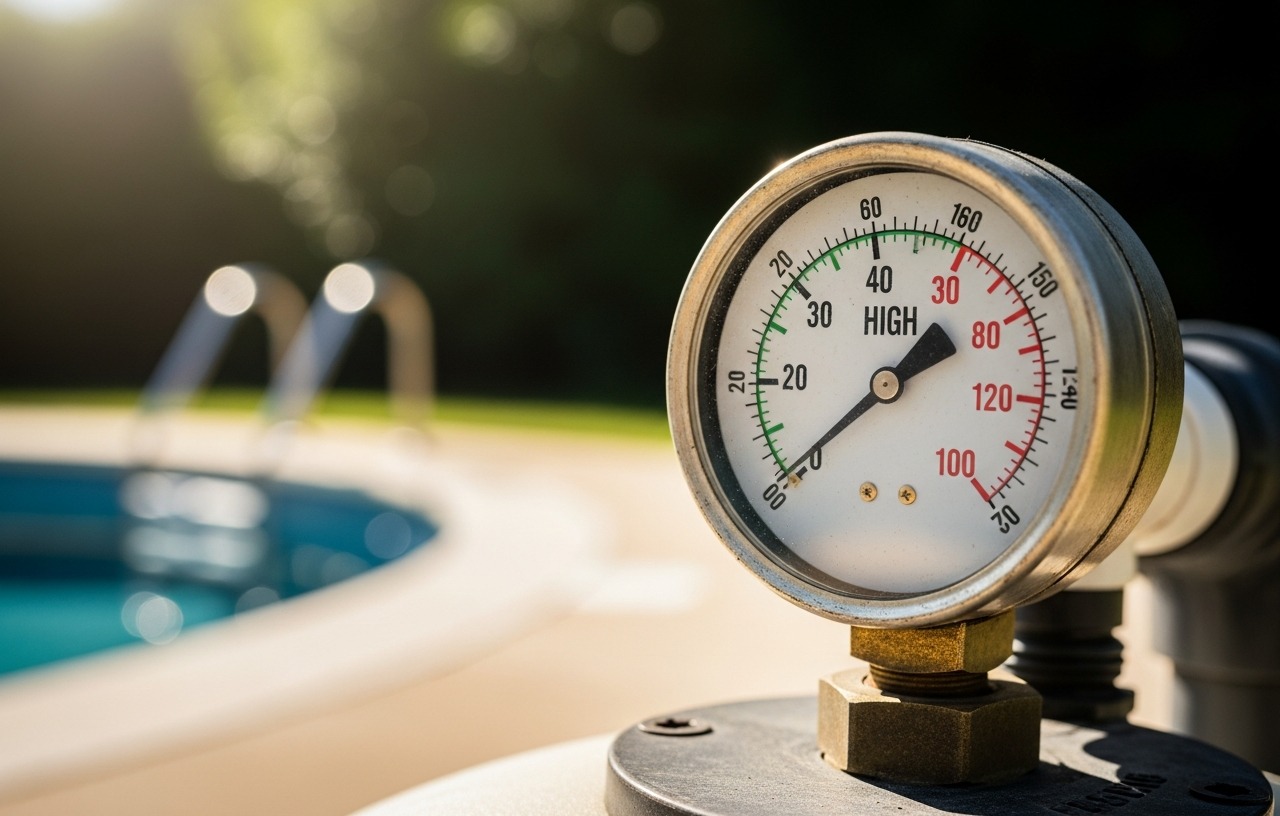
- The filter pressure gauge reads unusually low, even after backwashing.
Unusual Pump Noises
A healthy pool pump operates with a consistent hum. Impeller problems can introduce new sounds:
- Grinding or Rattling: This suggests debris is trapped within the impeller or the impeller itself is rubbing against the pump housing.
- High-Pitched Whine: Sometimes indicates cavitation, which occurs when the pump is starved for water, often due to a restriction at the impeller or a severe air leak.
- Loud Humming: The motor might hum loudly but the pump moves little to no water. This can happen if the impeller is completely seized by debris.
Air Bubbles from Return Jets
While air bubbles often point to an air leak on the suction side, they can also occur with impeller issues. A severely restricted or damaged impeller can cause the pump to cavitate, drawing in air from minor leaks that it would normally overcome.
Pump Struggles to Prime
If your pump frequently loses its prime or struggles to prime after backwashing or starting, an impeller problem might be the root cause. The impeller cannot create enough suction to pull water into the pump if it is clogged or damaged. For more detailed troubleshooting on this problem, refer to our guide: Pool Pump Not Priming? Here's How to Fix It.
Diagnosing the Problem: Clogged or Damaged Impeller?
Before you begin any work on your pool pump, prioritize safety. Always turn off the power to the pump at the circuit breaker. Confirm the power is off before touching any electrical components or opening the pump housing.
Step 1: Check Skimmer and Pump Baskets
This is the simplest check and often resolves many flow issues. Remove and empty both your skimmer basket and the pump strainer basket. Large debris, leaves, or even small toys can restrict water flow before it even reaches the impeller. Clean both baskets thoroughly. Reinstall them, making sure the pump basket lid is sealed correctly.
Step 2: Inspect for Air Leaks
An air leak on the suction side of the pump can mimic impeller problems by reducing prime and flow. Carefully inspect the pump lid O-ring, drain plugs, and any unions on the suction side plumbing. Look for cracks, wear, or loose fittings. A tell-tale sign of an air leak can be a small stream of water or consistent dripping from a connection point when the pump is off, or air bubbles visible in the pump strainer basket when the pump is running.
Step 3: Accessing and Inspecting the Impeller
To determine if the impeller is the issue, you must visually inspect it. This involves partially disassembling the pump.
- Turn off Power: Double-check that the circuit breaker for the pump is off.
- Close Valves: Close the skimmer and main drain valves, and the return line valve, to isolate the pump and prevent water from flowing from the pool.
- Drain Pump: Remove the drain plugs from the pump housing to empty any remaining water.
- Disconnect Plumbing: Loosen the union nuts on both the suction and discharge sides of the pump.
- Separate Motor from Volute: Depending on your pump model, you will typically unbolt the motor assembly from the wet end (the volute). This usually involves removing several bolts that hold the motor to the pump housing.
- Remove Diffuser (if present): Once the motor is separated, you will often see a diffuser, which is a plastic or metal plate covering the impeller. Remove the screws holding the diffuser in place, then carefully pull it off.
- Inspect the Impeller: The impeller should now be visible. Look closely for two main issues: clogged debris and physical damage.
Fixing a Clogged Impeller
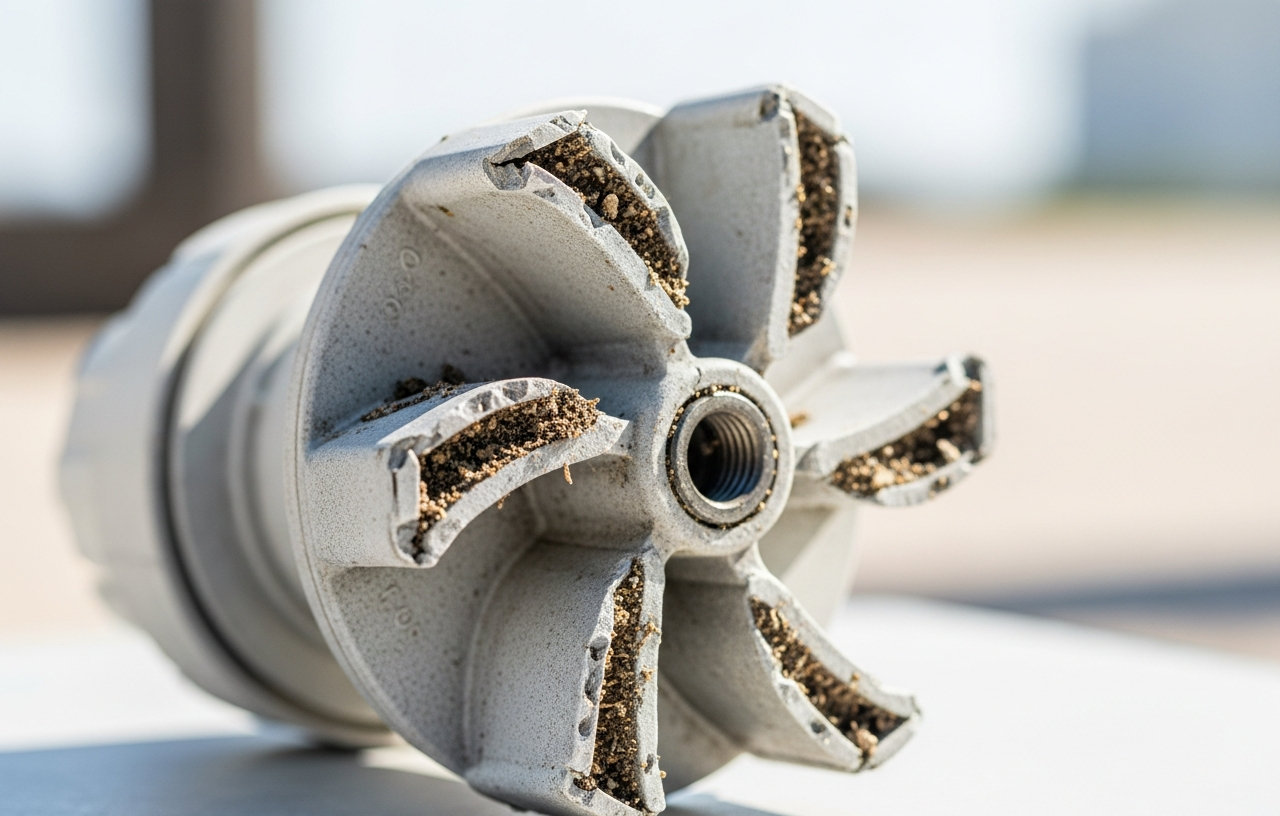
A clogged impeller is usually the easier problem to fix. Small stones, hair, or stubborn leaf fragments often get lodged between the impeller vanes. This prevents the impeller from spinning freely or moving water efficiently.
Clearing the Debris
Use needle-nose pliers, a small screwdriver, or a stiff piece of wire to carefully remove any visible debris. Work slowly and gently to avoid damaging the plastic vanes. Try to spin the impeller by hand once you have removed the major blockages. It should rotate smoothly without resistance.
Reassembly and Testing
Once cleared, reassemble the pump in reverse order. Make sure all O-rings are clean and properly seated. Apply a small amount of silicone lubricant to O-rings for a better seal. Tighten all bolts and unions securely. Restore power, open your valves, and prime the pump. Observe the water flow and listen for any unusual noises. The suction should return to normal.
Cost for Clogged Impeller Repair
If you perform the cleaning yourself, the cost is nothing. If you call a pool technician, expect an $80-$150 service call fee. Hourly rates typically range from $75-$120 to clear a clog, assuming no parts are needed.
Replacing a Damaged Impeller
Sometimes, simply clearing debris is not enough. Impellers can suffer physical damage from prolonged exposure to cavitation, impact from large debris, or general wear and tear. Look for cracks, broken vanes, or significant erosion on the impeller blades. If you find any of these, a replacement is necessary.
Removing the Damaged Impeller
- Secure the Motor Shaft: The impeller is threaded onto the motor shaft. To remove it, you need to hold the motor shaft steady. Many pump motors have a flat spot on the shaft at the rear of the motor, accessible by removing the motor's fan cover. Use an adjustable wrench to grip this flat spot. Some models may have a special tool that fits into a slot on the shaft.
- Unscrew the Impeller: While holding the motor shaft steady, turn the impeller counter-clockwise to unscrew it. Be aware that many impellers have a reverse thread, meaning you turn it clockwise to loosen. If it feels too tight, a penetrating lubricant can help, but apply it carefully to avoid contact with electrical components.
- Remove Gasket/Seal Plate: After removing the impeller, you will usually find a seal plate and a spring-loaded shaft seal. Make sure to note their orientation for proper reinstallation.
Selecting a New Impeller
Matching the new impeller to your specific pump model and horsepower is essential. Impellers are designed for particular flow rates and motor sizes. Always check your pump's model number and horsepower before purchasing a replacement.
- For Hayward Superpump, Super II, or MaxFlo pumps, the SPX2607C Super Pump Impeller Super II Max Flo 1 HP is a compatible option. It works with Superpump SP2600X series models (SP2600X5, SP2605X7, SP2607X10, SP2607EE, SP2610X15), MaxFlo pump SP2800X series models (SP2800X5, SP2805X7, SP2807X10, SP2810X15, SP2815X20), and PowerFloII pump SP1700 series models (SP1705, SP1710, SP1711, SP1720, SP1725, SP1750).
- The 073129 Pump Impeller 1-1/2 HP and 2 HP is a top pick for Pentair 1000 Series pumps, including WF-6, WFE-6, WFK-6, WFDS-6, WF-28, WFE-28, and WFDS-28 models. Based on verified customer ratings, this impeller offers outstanding performance and uses high quality materials for durability.
Installing the New Impeller
- Install Shaft Seal: Place the new spring-loaded shaft seal components onto the motor shaft and into the seal plate, following the manufacturer's instructions. Incorrect installation will lead to leaks.
- Thread New Impeller: Thread the new impeller onto the motor shaft. Remember the reverse thread if applicable. Hand-tighten it securely, then use the wrench on the motor shaft to give it a final snug turn. Do not overtighten, as this can damage the impeller or shaft.
- Reassemble Pump: Reinstall the diffuser (if applicable), then reattach the motor assembly to the pump volute. Reconnect the plumbing unions, making sure O-rings are in place and seals are tight.
Final Steps and Testing
After reassembly, make sure all valves are open. Fill the pump strainer basket with water to help with priming. Restore power to the pump. The pump should prime quickly, and you should observe strong, consistent water flow from the return jets. Check for any leaks around the pump housing and plumbing connections. If you notice any, immediately turn off the pump and tighten the connections.
Cost for Impeller Replacement
A DIY impeller replacement costs only the price of the new part, typically $30-$100. If you hire a professional pool technician, expect an $80-$150 service call fee. Labor for impeller replacement usually runs an additional $150-$300, plus the cost of the new impeller. For a deeper look into the expenses, read Cost to Replace a Pool Pump: Prices & DIY vs..
Preventing Future Impeller Issues
Regular maintenance significantly extends the life of your pool pump and its impeller.
- Regular Basket Cleaning: Empty your skimmer and pump strainer baskets at least once a week, or more frequently during heavy use or after storms. This prevents large debris from reaching and clogging the impeller.
- Maintain Water Chemistry: Proper pool water chemistry prevents scale buildup, which can accumulate on impeller vanes and reduce efficiency. Regularly test and adjust your pH, alkalinity, and calcium hardness. You can find guidance on adjusting pH here: How to Lower Pool pH: step by step Guide for Clear Water.
- Correct Winterization: In colder climates, make sure to properly drain and winterize your pool pump. Water left inside can freeze and crack the pump housing or damage the impeller.
- Keep Pool Area Clean: Minimize the amount of debris that can enter your pool by keeping the surrounding area tidy.
- Proper Pump Sizing and Installation: Make sure your pump is appropriately sized for your pool and installed correctly. An undersized pump can work too hard, while an oversized one can cause excessive wear. For installation tips, consult How to Set Up an Above Ground Pool Pump Correctly.
Addressing impeller problems quickly maintains your pool's health and avoids more costly pump repairs. With careful diagnosis and the right approach, you can restore your pool pump to full working order.
SPX2607C Super Pump Impeller Super II Max Flo 1 HP | Compatible with Hayward SPX2607C Impeller Replacement Pool Pumps Parts
- Compatible with superpump pump sp2600x series models sp2600x5, sp2605x7, sp2607x10, sp2607ee, sp2610x15.
- Compatible with maxflo pump sp2800x series models sp2800x5, sp2805x7, sp2807x10, sp2810x15, sp2815x20
- Compatible with PowerFloII pump SP1700 series models SP1705, SP1710, SP1711, SP1720, SP1725, SP1750.
- Compatible with super ii pump sp3000 series models sp3007(eeaz) (eeca), sp3010(eeaz), sp3015(eeaz).
073129 Pump Impeller 1-1/2 HP and 2 HP | Compatible with Pentair WF-6 WFE-6 WFK-6 WFDS-6, Compatible with WF-28 WFE-28 WFDS-28,
- Fits for 1-1/2 HP and 2 HP 1000 Series Pump WF-6 WFE-6 WFK-6 WFDS-6 WF-28 WFE-28 WFDS-28
- Outstanding Performance: The 073129 Impeller stands out for its exceptional performance, efficiently.
- high quality Materials: Manufactured using highly materials, the 073129 Impeller possesses excellent.
- Ease of Installation: The 073129 Impeller is designed with user-friendliness in mind, facilitating a.