![[UL Listed] BlueStars 161-193 uF MFD 110-125 VAC ±20% 50/60 Hz CD60 Round Motor Start Capacitor Replacement Part - Fit Single](https://m.media-amazon.com/images/I/71pNLb5cvtL._SX522_.jpg)
[UL Listed] BlueStars 161-193 uF MFD 110-125 VAC ±20% 50/60 Hz CD60 Round Motor Start Capacitor Replacement Part - Fit Single
- 161-193 uf/MFD 125 VAC ±20% 50/60 Hz CD60 Round Motor Well Pump Start Capacitor
- Capacitance: 161-193 uF MFD; Rated voltage: 125VAC; Tolerance: +/-20%; Shape: Round Run - Terminal Size:.
- Compliant with the TOUGHEST US and Australian Standards for AC motor run capacitors, including UL & CUL.
- The motor start capacitor is used for start-up of AC motors with frequency of 50Hz/60Hz, such as air.
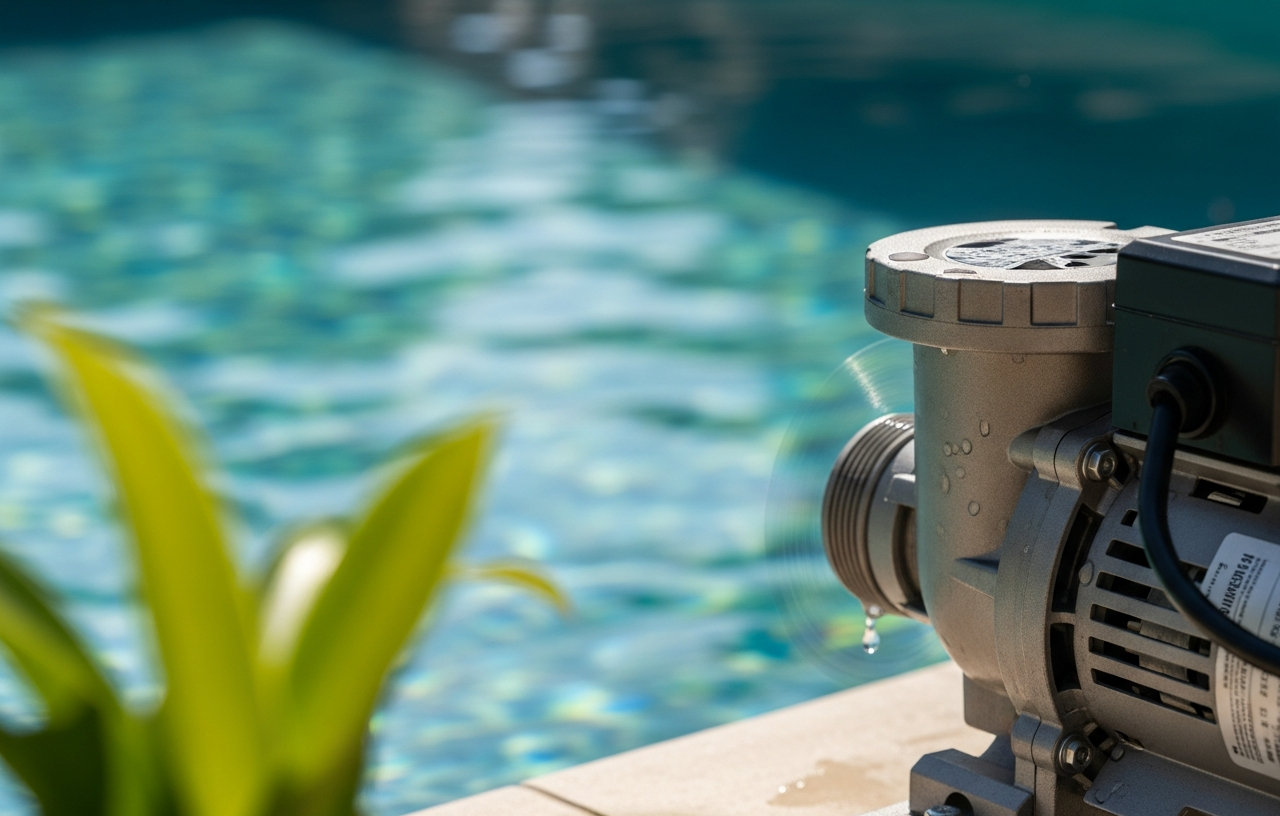
A distinct humming sound from your pool pump motor, without the familiar whirring of the impeller, usually points to a few specific problems. This symptom indicates the motor is receiving electrical power but cannot initiate rotation. Diagnosing the exact cause quickly can prevent further damage and restore your pool's circulation system.
Many of these issues are simple for a homeowner to address with basic tools and a careful approach. Knowing the most likely culprits helps you tackle the problem efficiently.
Faulty Start Capacitor: The Most Common Cause
If your pool pump motor hums loudly but does not spin, a failed start capacitor is the most frequent reason. The start capacitor provides a quick burst of energy to the motor, helping it overcome inertia and begin spinning. If this component fails, the motor receives continuous power but lacks the initial jolt to start rotation. It simply sits there, vibrating and humming. The motor housing may also feel hot to the touch.
Diagnosing a Bad Start Capacitor
- Safety First: Always turn off the power to the pump at the circuit breaker before performing any inspection or repair. Confirm there is no power using a voltage tester.
- Locate the Capacitor: The start capacitor is typically a cylindrical component found in a housing on top or side of the motor. It often has two terminals.
- Visual Inspection: Look for any signs of physical damage. A bulging top or bottom, leaking fluid, or burn marks are clear indicators of failure. Even without visible damage, the capacitor can still be bad.
- Test with a Multimeter: A multimeter with a capacitance setting can test the capacitor's microfarad (uF) rating. Discharge the capacitor first by shorting its terminals with an insulated screwdriver (be careful, it can hold a charge). Connect the multimeter leads to the terminals. The reading should be within the specified tolerance (e.g., +/- 20%) of the capacitor's rated microfarads. A reading of zero or significantly outside the range indicates failure.
Replacing the Start Capacitor
Make sure to purchase a replacement capacitor with the exact same microfarad (uF/MFD) and voltage (VAC) ratings as your old one. Using an incorrect capacitor can damage your motor.
For a reliable replacement, consider the [UL Listed] BlueStars 161-193 uF MFD 110-125 VAC ±20% 50/60 Hz CD60 Round Motor Start Capacitor Replacement Part. This specific capacitor is designed to fit single-phase motors and meets tough US and Australian standards, including UL and CUL compliance. Make sure the capacitance (uF/MFD) and voltage (VAC) ratings match your existing capacitor for proper operation. Carefully disconnect the old capacitor, noting wire placement, and install the new one. Ensure all connections are secure.
DIY Cost: A new start capacitor typically costs $15-$40. The repair itself takes about 15-30 minutes.
Professional Cost: A pool technician will charge an $80-$150 service call fee, plus labor ($75-$150) and the cost of the part. Total cost could range from $170-$340.
Impeller Blockage: Another Common Culprit
Debris caught in the pump's impeller can prevent it from spinning, even if the motor itself is trying to turn. Leaves, hair, small toys, or even fine sediment can jam the impeller, causing the motor to hum as it strains against the obstruction. The motor may also feel hot, similar to a capacitor issue.
Clearing an Impeller Blockage
- Safety Off: Turn off all power to the pump at the breaker.
- Drain the Pump: Close any necessary valves and open the pump's drain plug to lower the water level below the impeller.
- Access the Impeller: Remove the pump's volute (the front housing) or diffuser to gain access to the impeller. This often requires unscrewing several bolts.
- Clear Debris: Carefully remove any visible debris from the impeller vanes. A pair of needle-nose pliers can be helpful for stubborn items. Spin the impeller by hand to confirm it moves freely.
- Reassemble: Reinstall the volute and diffuser, making sure all gaskets and O-rings are properly seated to prevent leaks. Tighten all bolts securely.
If the pump still struggles to move water after clearing obstructions, you might have a priming issue. Read our guide on Pool Pump Not Priming? Here's How to Fix It.
DIY Cost: This fix is usually free, requiring only your time and basic tools.
Professional Cost: A technician will charge an $80-$150 service call fee, plus labor ($75-$150) for clearing a blockage. Total cost could range from $155-$300.
Seized Motor Bearings
Over time, the bearings within the pool pump motor can wear out, rust, or seize. This creates extreme friction, preventing the motor's shaft and impeller from rotating. You might hear a grinding sound before the pump stops entirely, or simply the hum of a motor unable to turn its shaft. Trying to spin the motor shaft by hand will reveal significant resistance or complete immobility.
Checking for Seized Bearings
- Power Down: Disconnect all power to the pump at the circuit breaker.
- Access the Shaft: Remove the fan cover at the rear of the motor.
- Attempt to Turn Shaft: Use a wrench or screwdriver to try and turn the motor shaft by hand. If it is stiff, grinds, or does not move at all, the bearings are likely seized.
Replacing motor bearings is a more involved repair, often requiring specialized tools and disassembly of the motor itself. For many homeowners, it is more practical to replace the entire motor or pump rather than attempt a bearing replacement.
If the motor is extensively damaged, a full replacement might be more economical than a rebuild. Our article on the Cost to Replace a Pool Pump: Prices & DIY vs. offers insights into these decisions.
DIY Cost: Bearing kits cost $20-$50. The labor is complex and time consuming.
Professional Cost: A motor rebuild by a professional (including parts and labor) can cost $200-$400. Often, the cost difference makes replacing the entire motor ($300-$800) or even the whole pump ($500-$1,500) a better value, especially if the motor is older.
Electrical Issues: Low Voltage or Faulty Breaker
Insufficient or inconsistent power supply can cause a pool pump motor to hum without starting. This could be due to a tripped or weak circuit breaker, loose wiring connections, or low voltage supplied to the pump. The motor attempts to draw power but lacks the necessary current to overcome its inertia and begin spinning.
Troubleshooting Electrical Problems
- Check the Breaker: Locate the circuit breaker for your pool pump in your electrical panel. If it is tripped (usually in the middle position), reset it by pushing it fully off, then back on. If it immediately trips again, a serious electrical fault exists.
- Inspect Wiring: With the power off, check the wiring connections at the pump's terminal board and at the breaker itself (if comfortable and knowledgeable about electrical work). Look for loose, corroded, or burnt wires.
- Measure Voltage: Use a multimeter to measure the voltage at the pump's terminal board. Compare it to the motor's specified voltage (e.g., 120V or 240V). A significantly low reading indicates a power supply problem from the breaker or wiring.
DIY Cost: Diagnosing with a multimeter costs nothing if you own one. Tightening loose connections is free.
Professional Cost: An electrician or pool technician will charge an $80-$150 service call fee. If a breaker needs replacement, that's an additional $20-$50 for the part, plus labor. If extensive wiring repair is needed, costs can range from $100-$300 or more, depending on complexity.
Shaft Seal Failure/Seizure
While a failed shaft seal primarily causes water leaks, in severe cases, the seal can seize completely onto the motor shaft. This creates excessive drag, preventing the motor from turning. The motor will hum as it tries to spin against the seized seal. You might also notice water leaking from between the motor and the wet end of the pump.
Checking for a Seized Shaft Seal
- Power Off: Disconnect all power to the pump.
- Visual Inspection: Look for water leaks around the seal area, between the motor and the pump housing.
- Attempt to Turn Shaft: As with seized bearings, try to turn the motor shaft by hand from the rear. If it is extremely stiff or seized, and there are signs of seal wear or leakage, the shaft seal could be the cause.
Replacing a shaft seal involves disassembling the wet end of the pump. It is a common maintenance item for pool pumps.
DIY Cost: A shaft seal kit costs $15-$30. The repair takes about 30-60 minutes.
Professional Cost: A technician will charge an $80-$150 service call fee, plus labor ($75-$150) and the part cost. Total cost could range from $170-$330.
Overheating and Thermal Overload
Pool pump motors have a thermal overload protector designed to shut them down if they get too hot. If the motor is humming but not running, it might attempt to start, overheat quickly due to an underlying issue (like a bad capacitor or seized impeller), and then trip the thermal protector. Once it cools, it might try to restart, only to repeat the cycle.
Addressing Overheating
- Allow Cooling: Give the motor at least 30 minutes to cool down completely.
- Check Ventilation: Make sure the motor's fan and vents are clear of debris. Ensure there is adequate airflow around the motor.
- Address Underlying Cause: If the motor continues to trip the thermal overload, an underlying issue such as a seized impeller, failing bearings, or an incorrect voltage supply is likely causing it to work too hard and overheat.
DIY Cost: Clearing vents is free. Diagnosing the root cause may involve tools like a multimeter.
Professional Cost: If an underlying issue requires professional diagnosis and repair, expect an $80-$150 service call fee plus labor and parts for the specific repair needed.
When to Call a Professional
While many of these troubleshooting steps are manageable for a DIY enthusiast, there are situations where calling a professional pool technician or electrician is the best course of action. You should call a professional if:
- You are uncomfortable working with electricity or disassembling the pump motor.
- You have tested the common culprits and cannot identify the problem.
- The issue involves complex electrical wiring beyond simply resetting a breaker.
- The motor is old, consistently overheating, or making unusual noises that suggest internal damage.
- You suspect seized bearings and prefer not to attempt a motor rebuild yourself.
A professional can accurately diagnose the problem and perform the repair safely and efficiently, saving you time and potential headaches.
Prevention Tips
Regular maintenance can prevent many of these issues. Keep your pump basket clean to avoid impeller blockages. Ensure the motor's vents are free of debris to allow proper cooling. Periodically check for unusual noises or leaks, addressing them early before they lead to bigger problems. Proper voltage supply and secure electrical connections also contribute to a longer motor lifespan.
[UL Listed] BlueStars 161-193 uF MFD 110-125 VAC ±20% 50/60 Hz CD60 Round Motor Start Capacitor Replacement Part - Fit Single
- 161-193 uf/MFD 125 VAC ±20% 50/60 Hz CD60 Round Motor Well Pump Start Capacitor
- Capacitance: 161-193 uF MFD; Rated voltage: 125VAC; Tolerance: +/-20%; Shape: Round Run - Terminal Size:.
- Compliant with the TOUGHEST US and Australian Standards for AC motor run capacitors, including UL & CUL.
- The motor start capacitor is used for start-up of AC motors with frequency of 50Hz/60Hz, such as air.