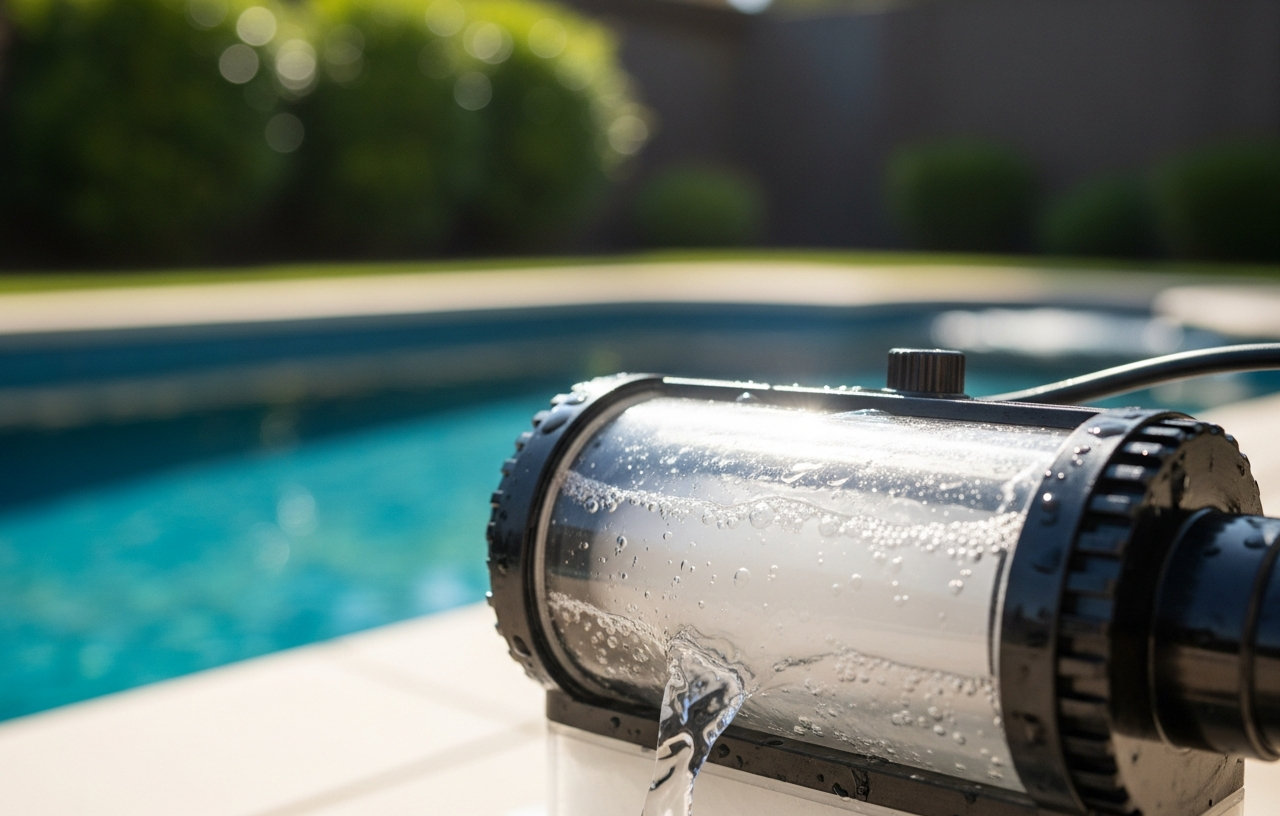
A pool salt chlorine generator is an automated system that produces chlorine for sanitizing pool water by converting dissolved salt (sodium chloride) through a process called electrolysis. This device eliminates the need to manually add liquid, granular, or tablet chlorine. Instead, pool owners add a specific amount of salt to the pool water, typically aiming for a concentration between 2,800 to 4,000 parts per million (ppm), which is less salty than ocean water (35,000 ppm). The generator then continuously produces hypochlorous acid, the active form of chlorine, directly in the pool's plumbing system.
How a Salt Chlorine Generator Works
The core function of a salt chlorine generator relies on electrolysis. Pool water, containing dissolved salt, flows through a specialized cell that houses titanium plates coated with a precious metal, often ruthenium or iridium. When a low-voltage electrical current passes through these plates, it splits the sodium chloride molecules (NaCl). This reaction produces chlorine gas (Cl2) and sodium hydroxide (NaOH). The chlorine gas immediately dissolves in the water, forming hypochlorous acid (HOCl) and hypochlorite ions (OCl-), which are the sanitizing agents that kill bacteria, algae, and other contaminants. After these sanitizers have done their job, they revert back to chloride ions, which are then reused by the generator in a continuous cycle.
Key Components of a Salt Chlorine Generator
A typical salt chlorine generator system consists of two main parts:
The Salt Cell (Electrolytic Cell): This is the component installed directly into the pool's plumbing line, usually after the filter and heater, but before any returns to the pool. The cell contains the coated titanium plates where the electrolysis occurs. Water flows through it, and the electrical current from the control board activates the chemical reaction. Salt cells are rated for specific pool volumes, for example, a cell might be designed for pools up to 20,000 gallons or up to 40,000 gallons. Matching the cell to your pool size makes sure of efficient chlorine production and extends cell lifespan.
The Control Board (Power Supply): This electronic unit is typically mounted near the pool equipment pad. It provides the necessary low-voltage direct current (DC) to the salt cell. The control board also allows the pool owner to adjust chlorine production levels, monitor salt concentration, and displays diagnostic messages. Many control boards integrate with existing pool automation systems, offering remote control and advanced scheduling.
Benefits of Using a Salt Chlorine Generator
Switching to a salt chlorine generator offers several advantages for pool owners.
Consistent Chlorine Production
Salt chlorine generators deliver a steady supply of chlorine to the pool water. This eliminates the peaks and valleys in chlorine levels that often occur with manual dosing. A consistent sanitizer level helps prevent algae blooms and bacterial growth, keeping the water clear and safe for swimming. This automation means less daily effort for the pool owner, maintaining a more stable chemical balance.
Reduced Chemical Handling
One significant benefit is the reduced need to purchase, store, and handle harsh liquid or granular chlorine products. These traditional chemicals can be corrosive, emit strong odors, and pose safety risks if not handled correctly. With a salt system, the primary chemical added to the pool is salt, a much safer and easier substance to manage. This simplifies pool maintenance significantly.
Softer Water and Less Irritation
Many users report that saltwater pools feel softer on the skin and cause less eye irritation compared to traditionally chlorinated pools. The absence of chloramines (byproducts of chlorine reaction with contaminants) is a key factor. Chloramines are responsible for the strong "chlorine smell" and can irritate skin and eyes. Salt systems produce chlorine continuously, which helps oxidize these chloramines more effectively, leading to a more pleasant swimming experience. For more on the differences, see our article on Saltwater Pool vs. Chlorine Pool: Which is Right for You?.
Potential long term Cost Savings
While the initial investment for a salt chlorine generator system can be higher than traditional chlorine methods, there can be long term cost savings. The cost of pool salt is considerably lower than the ongoing purchase of liquid or tablet chlorine. The main recurring cost, beyond salt, is replacing the salt cell, which usually lasts 3-7 years and can cost $500-$1000 depending on the model and pool size. Over several years, these savings can offset the initial equipment expense.
Maintaining Your Salt Chlorine Generator
Proper maintenance extends the life of your salt chlorine generator and makes sure of optimal performance.
Monitor Salt Levels
The control board of your generator will display the current salt concentration. Low salt levels reduce chlorine production, while excessively high levels can damage the cell or lead to inaccurate readings. Add salt gradually, dissolving it directly in the pool water, and wait 24-48 hours for it to circulate and register on the control panel.
Clean the Salt Cell Regularly
Calcium and other minerals can build up on the titanium plates inside the salt cell, forming scale. This scale reduces the cell's efficiency and can shorten its lifespan. Most manufacturers recommend inspecting the cell every 3-6 months. If scale is present, clean the cell using a diluted acid solution, such as a 4:1 water-to-muriatic acid mix. Many systems include a cleaning stand for this purpose. Always wear appropriate personal protective equipment, including gloves and eye protection, when handling acid. Some advanced salt cells have a "self-cleaning" or "reverse polarity" feature, which periodically reverses the electrical current to shed scale, reducing the frequency of manual cleaning. However, even these cells require occasional inspection and cleaning.
Adjust Control Panel Settings
The control board allows you to set the chlorine output percentage. Adjust this setting based on your pool's needs, considering factors like bather load, sunlight exposure, and water temperature. During peak swimming season or hot weather, you may need to increase the output. In cooler months or periods of low use, you can decrease it. Always check your free chlorine residual with a test kit to verify the generator is producing enough sanitizer, aiming for 1-3 ppm.
Balance Overall Water Chemistry
While a salt chlorine generator handles chlorine production, other aspects of water chemistry remain important. Maintain proper pH (7.4-7.8), alkalinity (80-120 ppm), and cyanuric acid (CYA) levels (30-50 ppm for saltwater pools). CYA acts as a stabilizer, protecting chlorine from degradation by UV rays. Without adequate CYA, your chlorine will dissipate quickly. Regularly test your water and make adjustments as needed. If your pH is consistently high, you may need to add a pH reducer, as discussed in How to Lower Pool pH: step by step Guide for Clear Water.
Common Issues and Troubleshooting
Even with proper maintenance, issues can arise with salt chlorine generators.
Low Chlorine Output
If your pool's free chlorine level is consistently low despite the generator running, check the following:
- Salt Level: Confirm the salt concentration is within the recommended range. Add salt if needed.
- Cell Condition: Inspect the salt cell for scale buildup. Clean it if necessary.
- Flow Rate: Make sure the pool pump is running for sufficient hours and that there are no obstructions reducing water flow through the cell. A dirty filter or a malfunctioning pool skimmer can reduce flow.
- Control Panel Settings: Verify the chlorine output percentage is set appropriately.
- CYA Levels: Low cyanuric acid can cause chlorine to dissipate rapidly. Test and adjust CYA.
- Cell Age: Salt cells have a finite lifespan. If the cell is several years old and all other factors are correct, it may be time for replacement.
"Check Cell" or "Service Cell" Errors
These error messages usually indicate a problem with the salt cell.
- Scale Buildup: The most common cause is heavy scale on the cell plates, impeding electrolysis. Clean the cell.
- Low or High Salt: Incorrect salt levels can trigger these warnings. Adjust salt as necessary.
- Water Temperature: Some generators reduce output or display errors if the water temperature is too low (below 60°F or 15°C) to protect the cell.
- Flow Sensor: A clogged or faulty flow sensor, if present, can prevent the cell from activating. Make sure of adequate water flow.
If errors persist after cleaning and adjusting salt, the cell may be failing or the control board could have an issue. A professional pool technician typically charges $80-$150 for a service call to diagnose such problems.
Salt Cell Lifespan
Salt cells are consumables with a limited operational life. They typically last 3 to 7 years, depending on factors like pool size, usage, water chemistry balance, and how often the cell is cleaned. Running the cell at maximum output continuously, or allowing frequent scale buildup, can shorten its life. When a cell reaches the end of its life, it produces significantly less chlorine, even with optimal salt levels and clean plates. Replacing a salt cell is a common maintenance item and can cost $500-$1000 for the part itself, with professional installation adding $100-$300.
Installation Considerations
Installing a salt chlorine generator involves plumbing and electrical work. While some experienced DIY enthusiasts may tackle the project, professional installation is recommended for those unfamiliar with pool equipment. A service call for installation can range from $200-$500, not including the equipment cost.
The salt cell must be installed correctly in the pool's return plumbing line, typically after the filter, heater, and any other equipment like a pool heater, but before the water returns to the pool. This placement makes sure that the generated chlorine is immediately mixed into the sanitized water before reaching the pool. The control board requires a dedicated electrical connection and should be mounted in a dry, shaded area, protected from direct sunlight and rain. Adhere to all local electrical codes during installation.
Conclusion
A pool salt chlorine generator provides an efficient, automated method for keeping pool water sanitized. By converting dissolved salt into chlorine through electrolysis, these systems offer consistent sanitization, reduce the need for handling harsh chemicals, and contribute to a more comfortable swimming experience. Regular monitoring of salt levels, routine cell cleaning, and maintaining balanced water chemistry are essential for the longevity and effective operation of your salt chlorine generator. Understanding its components and basic troubleshooting steps empowers pool owners to enjoy clearer water with less effort.


