
AquaDoc Chitosan Clarifier for Pools and Spas - 16 oz - Pool Clarifier for Inground and Above Ground Pools and Hot Tubs to Help Clear Cloudy
- Helps Clear Cloudy Pool and Spa Water - AquaDoc Chitosan Clarifier for hot tub and pool is designed to help improve water clarity by gathering tiny suspended particles so your filter can remove them more effectively as p
- Helps Remove Oils and Waterline Buildup - Formulated with chitosan, a naturally derived biopolymer, it works to help reduce oils, lotions, and other residues that can contribute to dull water and surface buildup, support
- Binds Trace Metals That Can Cause Staining - This water clarifier for pools helps attract and bind trace metals such as iron, copper, and manganese so they can be captured by your filtration system, helping reduce the li
- Supports Overall Filter Performance - This chitosan pool and hot tub clarifier is designed to help your filter trap and hold unwanted material more effectively without heavy buildup, supporting filtration performance bet
- Easy Weekly Maintenance for Pools and Spas - Formulated to work with both pools and hot tubs, this liquid clarifier is easy to apply and works with your existing filtration system as part of a consistent water care routi

XMK 6600-166 Temperature Sensor for Sundance Spas and Jacuzzi Hot Tubs, with Curled Finger Connectors and 6540-228 O-Ring
- Compatibility: 6600-166 spa temperature sensor with curled finger connectors compatible with Sundance Spas.
- Temperature Sensor for Jacuzzi Hot Tub Models: All J300-J365 tubs use the 6600-066 curled finger sensor.
- Temperature Sensor for Sundance Spas Models: 2012+ 680 Peyton, 2011+ Select Series 2008+ 680 Denali.
- Temp Sensor for Sundance Spas Models: 1998-2004 Sweetwater Series and Portofino Series: Caprio, Metro and.

pH Down for Pools & Hot Tubs, Pool pH Reducer, Spa pH Decreaser for Swimming Pools & Spas, Fast Acting Granular pH Lower for Clear & Balance
- Fast & Effective pH Control: Spa pH decreaser for hot tubs quickly lowers high pH levels in pools and spas to help maintain the ideal 7.2 - 7.8 range for clean, clear, and comfortable water. This fast-acting sodium bisulfa
- Complete Water Care Support: An essential part of hot tub and pool maintenance, this pH decreaser helps maintain balanced water conditions as part of a consistent care routine. Designed for regular use, it supports stabl
- easy to use Granular Formula: Designed for convenient and controlled application, this granular pH reducer allows precise dosing without mess or complex preparation. It dissolves quickly in water, making it ideal for bot
- Protects Pool & Spa Equipment: Helps maintain properly balanced pH levels to reduce the risk of corrosion, scale buildup, and potential damage to pool surfaces, pumps, and filtration systems. By lowering high pH levels,
- Enhances Swimming & Soaking Comfort: Properly balanced pH levels help reduce the likelihood of eye and skin irritation caused by high pH, creating a more comfortable and enjoyable pool or hot tub experience. By maintaini
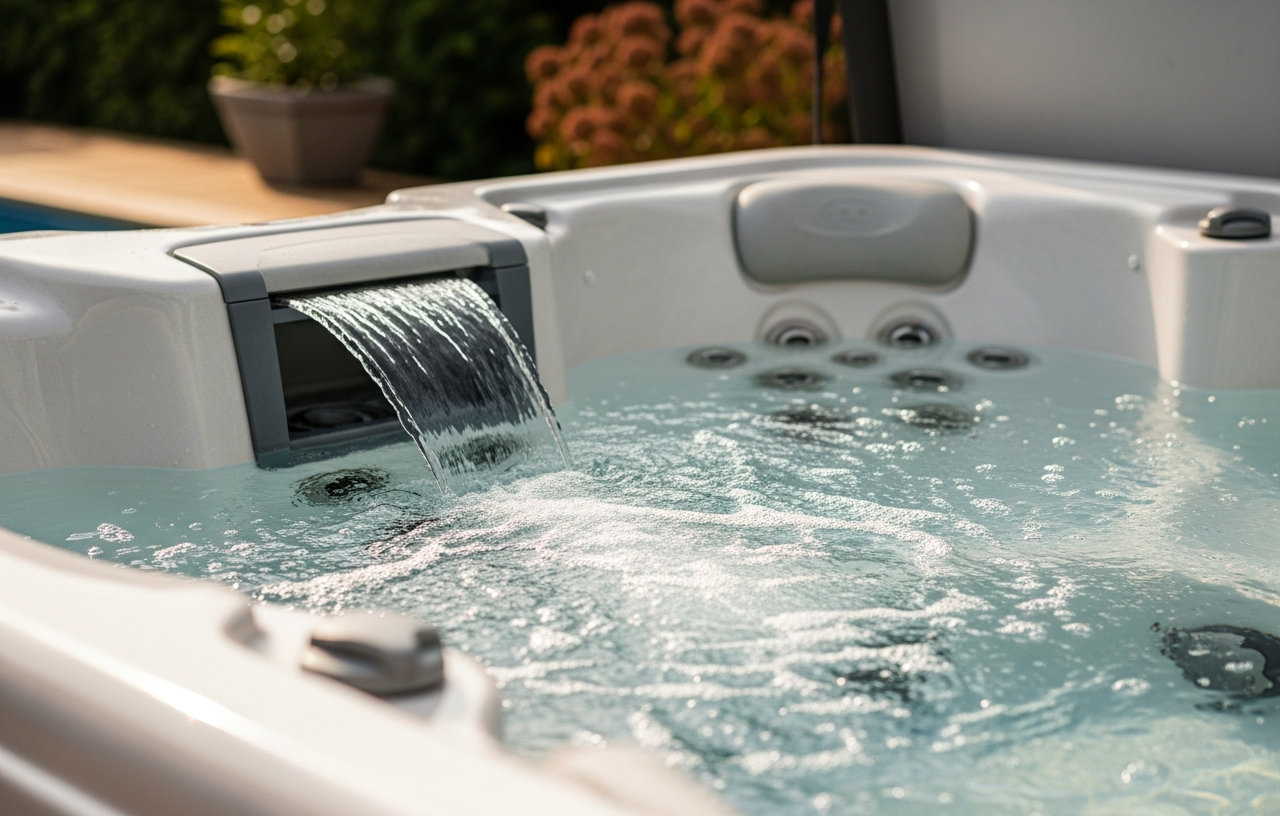
A hot tub with weak jets or noticeably reduced water flow often points to one of four common issues. These include a clogged filter, an air lock in the plumbing, a low water level, or a restriction at the pump impeller. Most of these problems are simple for a homeowner to diagnose and fix, often without needing a professional. Understanding these causes helps you quickly restore your hot tub's powerful jet action and efficient circulation.
Diagnosing Low Hot Tub Water Pressure
Before calling a technician, perform a few quick checks. Many low pressure issues are resolved with basic troubleshooting. Start with the easiest and most common culprits first.
1. Check the Water Level
The simplest cause of low hot tub water pressure is an insufficient water level. Your hot tub's pump needs a consistent water supply to operate correctly. If the water level drops too low, the skimmer may draw in air, leading to an air lock or cavitation.
How to Confirm Low Water Level:
- Visually Inspect: Look at your hot tub's water level. It should typically be above the highest jet and at least halfway up the skimmer opening. Consult your owner's manual for the exact recommended level.
- Listen for Gurgling: A gurgling sound coming from the skimmer or pump area often indicates air being drawn into the system.
The Fix:
Simply add water to your hot tub until it reaches the recommended level. Use a garden hose and fill slowly to avoid introducing too much air quickly. Run the jets on high for a few minutes to help purge any trapped air. If the pump struggles to prime after adding water, refer to our guide on Pool Pump Not Priming? Here's How to Fix It.
Cost:
Free, just requires your time and water.
2. Inspect for a Clogged Filter Cartridge
A dirty or clogged filter cartridge is a primary suspect for low water pressure. The filter's job is to trap debris, oils, and contaminants. Over time, these accumulate, restricting water flow through the filter and reducing pressure to the jets.
How to Confirm a Clogged Filter:
- Remove the Filter: Turn off power to the hot tub. Locate your filter housing, usually accessible from the top or side of the spa. Remove the filter cartridge.
- Test Without Filter: With the filter removed, power on the hot tub and observe the jet pressure. If the pressure significantly improves, the filter was the problem.
- Inspect the Filter: Examine the filter pleats. Are they visibly dirty, discolored, or covered in debris and oils? Even seemingly clean filters can be internally clogged with biofilm or mineral deposits.
The Fix:
Clean or replace the filter cartridge. For light debris, a thorough rinse with a garden hose might suffice. For deeper cleaning, soak the filter in a specialized filter cleaning solution overnight. If the filter is old, damaged, or heavily caked with grime that will not come off, replacement is the best option. Most hot tub filters should be cleaned monthly and replaced every 1-2 years, depending on usage.
To prevent future clogs from oils and residues, consider using a clarifier regularly. The AquaDoc Chitosan Clarifier for Pools and Spas is a top pick. It helps gather tiny suspended particles, oils, lotions, and even trace metals, allowing your filter to remove them more effectively and improve water clarity.
Cost:
- Filter cleaning solution: $15-$30
- New filter cartridge: $30-$100, depending on your hot tub model.
3. Check for Air Locks in the Plumbing
An air lock occurs when air becomes trapped in the hot tub's plumbing lines or pump. This pocket of air prevents water from flowing freely, causing reduced pressure or even stopping the pump from priming. Air locks often happen after draining and refilling the hot tub, or when the water level has been too low.
How to Confirm an Air Lock:
- Listen to the Pump: A pump that is running but making a loud, whining, or gurgling noise without strong water movement often indicates an air lock.
- Check the Heater: If your hot tub is not heating, it could be due to an air lock preventing water flow through the heater, activating a high-limit sensor. You can find more information on this in our guide Hot Tub Not Heating: Causes & Quick Fixes.
- Bleed Air from the System: With the hot tub off, slightly loosen the union nut on the discharge side of the pump (the pipe leading away from the pump towards the heater). You should hear a hiss as air escapes. Once water starts to trickle out, tighten the union nut. Do this carefully to avoid stripping threads or causing leaks.
- Loosen Diverter Valves: Some hot tubs have diverter valves that can trap air. Briefly open and close all diverter and air control valves multiple times while the jets are running to help dislodge air.
The Fix:
The primary fix is to bleed the air out of the system. This can involve the methods described above, or sometimes simply cycling the jets on high and low, or turning the pump on and off a few times. For stubborn air locks, you might need to try filling the hot tub very slowly while running a garden hose into the filter compartment to push water into the pump directly.
Cost:
Usually free if you perform the steps yourself.
4. Inspect the Pump Impeller
The pump impeller is a rotating component with vanes that draws water into the pump and pushes it through the hot tub's plumbing. If the impeller becomes clogged with debris like hair, lint, or small leaves, its ability to move water is severely compromised, leading to low pressure.
How to Confirm a Clogged Impeller:
- Check Other Causes First: Rule out low water level, clogged filters, and air locks first, as these are easier to diagnose.
- Listen to the Pump: The pump may sound like it is running correctly, but with little to no water movement.
- Access the Pump: This step requires more technical comfort. Turn off all power to the hot tub at the breaker. Drain the hot tub. Disconnect the pump from the plumbing, usually by loosening union nuts on both sides.
- Inspect the Impeller: Once the wet end of the pump is exposed, look into the intake side. You might need a flashlight and a small hook or screwdriver to carefully probe for debris lodged in the impeller vanes.
The Fix:
Carefully remove any debris found in the impeller. Use needle-nose pliers or a small, blunt tool. Avoid forcing anything, as the impeller vanes can be fragile. Once clear, reassemble the pump and plumbing, refill the hot tub, and test the pressure. If the impeller itself is damaged (e.g., broken vanes), the wet end or the entire pump may need replacement.
Cost:
- DIY cleaning: Free, aside from your time.
- Professional service call: $80-$150 for a service call, plus hourly labor rates of $75-$150 for diagnosis and cleaning.
- New pump wet end: $150-$300 (if impeller is damaged).
- New pump: $300-$800, plus installation if a professional does it.
5. Check for Closed or Partially Closed Valves
Many hot tubs have gate valves or ball valves on the suction and discharge lines leading to and from the pump. These valves allow for isolating the pump during maintenance. If a valve is partially closed, it will restrict water flow and cause low pressure.
How to Confirm Closed Valves:
- Visually Inspect: Locate all valves near your hot tub pump and heater. Gate valves typically have handles that slide up and down, while ball valves have handles that turn. Make sure all are fully open. For gate valves, the handle should be pulled all the way up. For ball valves, the handle should be parallel to the pipe.
- Test Diverter Valves: If only some jets have low pressure, check the diverter valves on the hot tub's control panel. These valves direct water flow to different jet zones. Ensure they are fully open or set to the desired position. For issues with specific jets, our guide on Hot Tub Jets Not Working: Your Complete Troubleshooting Guide can help.
The Fix:
Open any closed or partially closed valves. Rotate diverter valves fully in each direction a few times to ensure they are not stuck or partially obstructed.
Cost:
Free.
6. Water Chemistry Imbalance
While not a direct cause of low pressure, poor water chemistry can contribute to problems that lead to it. High calcium hardness can cause scale buildup in pipes, filters, and on the impeller over time, restricting flow. High pH also exacerbates scaling.
How to Confirm Water Chemistry Issues:
- Test Your Water: Use test strips or a liquid test kit to check pH, alkalinity, and calcium hardness.
- Look for Scale: Inspect your hot tub's surfaces, jets, and filter for white, crusty deposits (scale).
The Fix:
Adjust your water chemistry. If pH is high, use a pH decreaser. pH Down for Pools & Hot Tubs is an effective granular formula designed to quickly lower high pH levels. Maintain proper pH (7.4-7.6) and alkalinity (80-120 ppm) to prevent scale buildup. If scale is already present, a scale remover product can help.
Cost:
- Test strips/kit: $15-$40
- Chemicals (pH decreaser, scale remover): $20-$50 per product.
When to Call a Professional
If you have tried all the above troubleshooting steps and your hot tub still has low water pressure, it may indicate a more serious mechanical problem. This could involve a failing pump motor, a damaged impeller that cannot be cleaned, or a leak in the plumbing that you cannot locate.
- Failing Pump Motor: If the pump hums but does not spin, or runs intermittently, the motor may be failing.
- Internal Plumbing Blockage: A blockage deep within the plumbing system can be difficult to access and clear without specialized tools.
- Persistent Leaks: Unaddressed leaks can lead to constant low water levels and air intrusion.
A professional hot tub technician can diagnose and repair these complex issues. Expect a service call to cost between $80 and $150, plus parts and labor for any repairs. Labor rates typically range from $75-$150 per hour.
AquaDoc Chitosan Clarifier for Pools and Spas - 16 oz - Pool Clarifier for Inground and Above Ground Pools and Hot Tubs to Help Clear Cloudy
- Helps Clear Cloudy Pool and Spa Water - AquaDoc Chitosan Clarifier for hot tub and pool is designed to help improve water clarity by gathering tiny suspended particles so your filter can remove them more effectively as p
- Helps Remove Oils and Waterline Buildup - Formulated with chitosan, a naturally derived biopolymer, it works to help reduce oils, lotions, and other residues that can contribute to dull water and surface buildup, support
- Binds Trace Metals That Can Cause Staining - This water clarifier for pools helps attract and bind trace metals such as iron, copper, and manganese so they can be captured by your filtration system, helping reduce the li
- Supports Overall Filter Performance - This chitosan pool and hot tub clarifier is designed to help your filter trap and hold unwanted material more effectively without heavy buildup, supporting filtration performance bet
- Easy Weekly Maintenance for Pools and Spas - Formulated to work with both pools and hot tubs, this liquid clarifier is easy to apply and works with your existing filtration system as part of a consistent water care routi
XMK 6600-166 Temperature Sensor for Sundance Spas and Jacuzzi Hot Tubs, with Curled Finger Connectors and 6540-228 O-Ring
- Compatibility: 6600-166 spa temperature sensor with curled finger connectors compatible with Sundance Spas.
- Temperature Sensor for Jacuzzi Hot Tub Models: All J300-J365 tubs use the 6600-066 curled finger sensor.
- Temperature Sensor for Sundance Spas Models: 2012+ 680 Peyton, 2011+ Select Series 2008+ 680 Denali.
- Temp Sensor for Sundance Spas Models: 1998-2004 Sweetwater Series and Portofino Series: Caprio, Metro and.
pH Down for Pools & Hot Tubs, Pool pH Reducer, Spa pH Decreaser for Swimming Pools & Spas, Fast Acting Granular pH Lower for Clear & Balance
- Fast & Effective pH Control: Spa pH decreaser for hot tubs quickly lowers high pH levels in pools and spas to help maintain the ideal 7.2 - 7.8 range for clean, clear, and comfortable water. This fast-acting sodium bisulfa
- Complete Water Care Support: An essential part of hot tub and pool maintenance, this pH decreaser helps maintain balanced water conditions as part of a consistent care routine. Designed for regular use, it supports stabl
- easy to use Granular Formula: Designed for convenient and controlled application, this granular pH reducer allows precise dosing without mess or complex preparation. It dissolves quickly in water, making it ideal for bot
- Protects Pool & Spa Equipment: Helps maintain properly balanced pH levels to reduce the risk of corrosion, scale buildup, and potential damage to pool surfaces, pumps, and filtration systems. By lowering high pH levels,
- Enhances Swimming & Soaking Comfort: Properly balanced pH levels help reduce the likelihood of eye and skin irritation caused by high pH, creating a more comfortable and enjoyable pool or hot tub experience. By maintaini