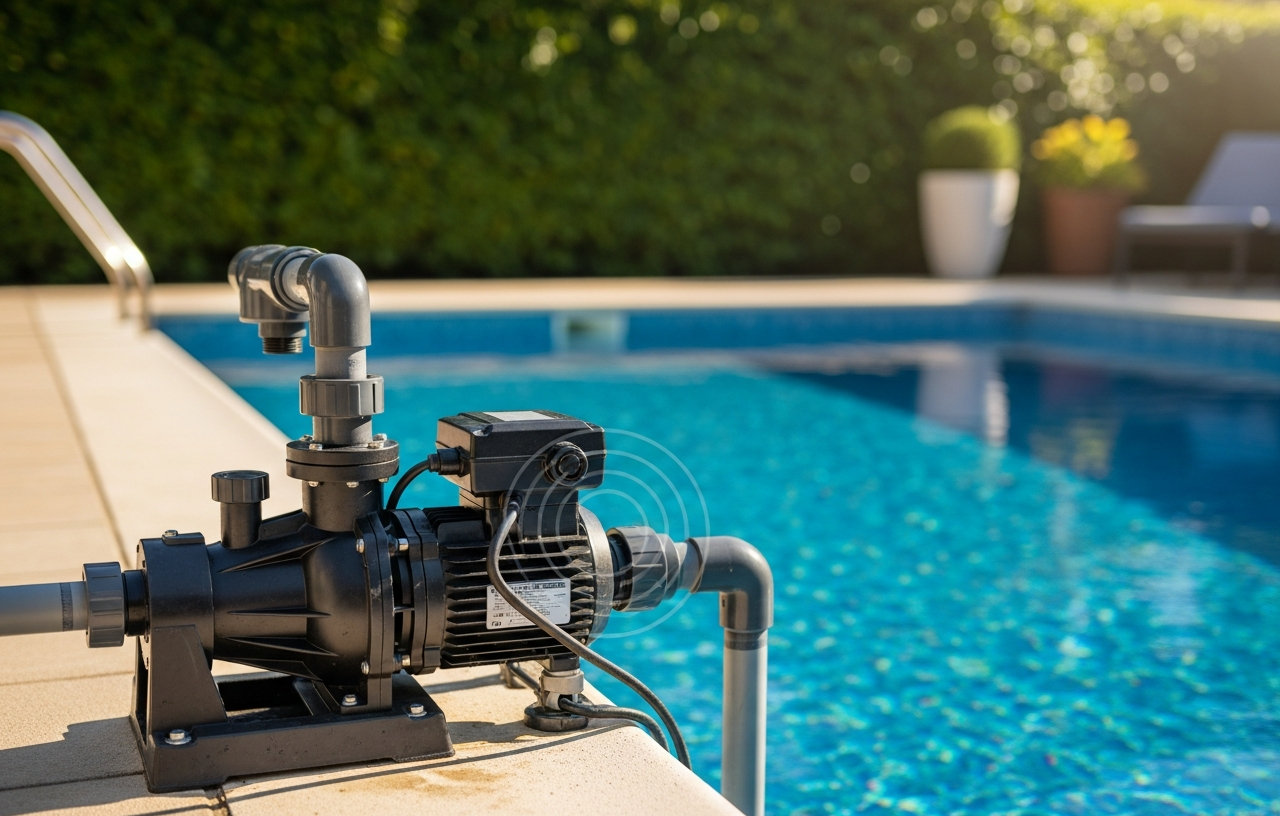

DoE-Compliant CEC approved Pool Motor Pump 2HP 115v 5160GPH | 2HP Variable 2 Speed 115v 5160GPH Above Ground Pool Pump, 1.5" Port
- USA Inground pools normally use a 230 volt supply, above ground pools use 115 volts. Please check your.
- The Pinnacle of Dual-Speed Design: Introducing our state of the art pool pump. Harness the power of its.
- Simplicity Meets Efficiency: Worried about complex setups and operations? Fret not! Our pool motor is the.
- The Ultimate Powerhouse in Pool Maintenance: Hydrodynamic designed impeller & strainer maximize water flow.
A loud grinding noise from your pool pump motor is a clear signal that something is wrong. Ignoring this sound can lead to complete pump failure and much more expensive repairs. The most common culprit behind a pool pump grinding noise is worn motor bearings, but other issues like a clogged impeller or cavitation can also produce similar sounds.
Continuing to run a pump with a grinding noise will cause further damage to internal components. This guide covers the most likely causes and provides troubleshooting steps.
Understanding Pool Pump Grinding Noise
Your pool pump consists of two main parts: the wet end (housing the impeller and volute) and the dry end (the motor). A grinding sound almost always originates from the motor, specifically the bearings. However, issues within the wet end or problems with water flow can create sounds that mimic grinding or rattling, putting strain on the motor.
1. Worn Motor Bearings (Most Common Cause)
Motor bearings allow the pump's shaft to spin smoothly at high speeds. Over time, these bearings wear out due to constant use, exposure to heat, and sometimes moisture intrusion. When the ball bearings or races degrade, they create friction and a distinct grinding, growling, or screeching sound.
This is by far the most frequent reason for a pool pump making grinding noise. A Hayward pool pump making grinding noise, an Intex pool pump making grinding noise, or a Bestway pool pump making grinding noise often points to worn bearings, regardless of the brand.
How to Diagnose Worn Bearings
- Safety First: Turn off all power to the pool pump at the breaker panel. Verify the power is off before touching any components.
- Remove the Wet End: Disconnect the pump from the plumbing. Remove the bolts holding the wet end (the volute and impeller housing) to the motor. Carefully pull the wet end away, exposing the motor shaft and seal plate.
- Inspect the Shaft: Try to spin the motor shaft by hand. It should turn smoothly with minimal resistance. If it feels rough, gritty, or has excessive wobble, the bearings are likely failing.
- Listen for Noise: With the wet end removed, temporarily restore power (briefly, for just a second or two) to the motor. Listen for the grinding sound. If the motor still grinds without the wet end attached, the bearings are the problem. Immediately shut off power again.
Replacing Motor Bearings
Replacing bearings is a moderately difficult DIY task. It requires disassembling the motor, removing the old bearings (often with a puller), and pressing on new ones. You will also need a new shaft seal. Bearing kits typically cost $20-$100. If you are comfortable with electrical work and mechanical disassembly, this can save you money.
A professional service call to replace bearings usually costs $200-$500, plus the cost of parts. If the motor is old or shows other signs of wear, a full motor replacement might be a better long term solution.
2. Clogged Impeller or Debris in Pump
The impeller is a rotating component within the wet end that draws water into the pump and pushes it through the filter system. If debris, such as leaves, hair, small pebbles, or even pool toys, gets past the skimmer basket and pump basket, it can lodge in the impeller blades. This obstruction can cause a loud grinding noise as the impeller struggles to spin or rubs against the housing.
A clogged impeller can also lead to cavitation, which sounds like grinding or rattling.
How to Clear the Impeller
- Power Off: Always turn off power to the pump at the breaker.
- Drain the Pump: Open the drain plugs on the pump housing to let the water out.
- Remove Pump Basket and Lid: Take out the pump basket. Inspect it for cracks or damage that would allow debris to pass through.
- Access the Impeller: Look into the volute area where the pump basket sits. You might see debris immediately. For deeper clogs, you may need to remove the volute cover or even the entire wet end, as described for bearing diagnosis.
- Clear Debris: Use a pair of needle-nose pliers or a small, stiff wire to carefully remove any lodged debris. Make sure the impeller spins freely.
- Reassemble and Test: Put everything back together, making sure all O-rings are seated correctly and the lid is sealed. Prime the pump before restarting. For guidance on this, see Pool Pump Not Priming? Here's How to Fix It.
Clearing a clogged impeller is a simple DIY fix that costs nothing if you do it yourself. If a professional performs this, you will pay for a service call, typically $80-$150.
3. Cavitation
Cavitation occurs when the pump is starved for water, causing air bubbles to form and collapse violently within the pump. This process creates a rattling, grinding, or marble-like sound. While not directly a mechanical failure, cavitation puts immense stress on the impeller and motor bearings, leading to premature wear and potentially causing a pool pump motor making grinding noise.
Common causes of cavitation include:
- Low water level in the pool.
- Clogged skimmer baskets or pump baskets.
- Blocked suction lines (e.g., a dirty main drain or skimmer line).
- Air leaks in the suction plumbing before the pump.
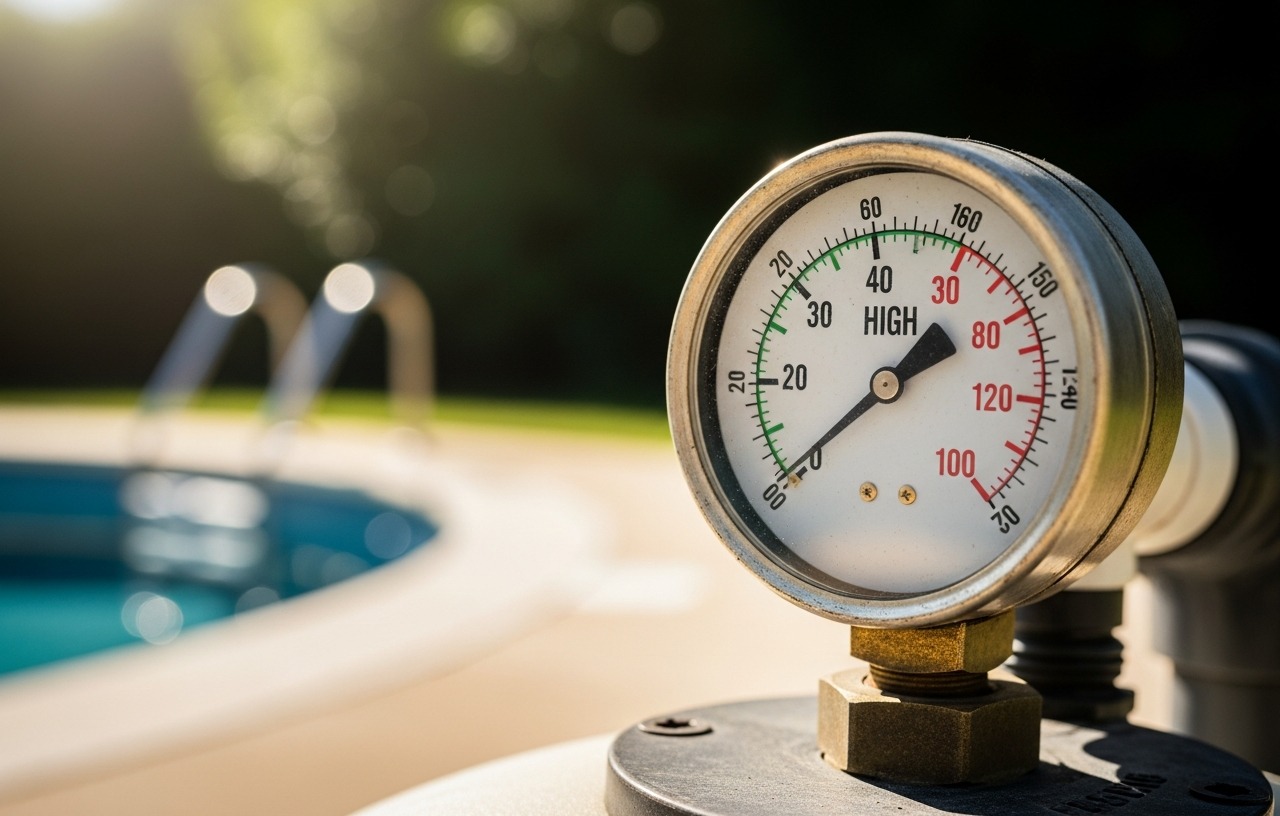
- A dirty or clogged pool filter, increasing resistance. You can check your filter pressure; if it's high, it might be contributing. Learn more about this at Pool Filter Pressure Too High: Causes & Quick Fixes.
How to Address Cavitation
- Check Water Level: Make sure your pool water level is at least halfway up the skimmer opening.
- Clean Baskets: Empty and clean the skimmer and pump baskets.
- Inspect Suction Lines: Check for visible blockages or kinks in hoses.
- Inspect for Air Leaks: Look for bubbles in the pump's hair and lint pot. Tighten all unions and fittings on the suction side. You can also apply shaving cream to suspected leak points; if it gets sucked in, you have a leak.
- Backwash/Clean Filter: If your filter pressure is high, backwash your sand or DE filter, or clean your cartridge filter.
Resolving cavitation is typically a DIY task with no direct cost, unless it requires replacing a damaged pipe or fitting. If a professional finds and fixes an air leak, a service call of $80-$150 applies, plus any material costs.
4. Motor Issues Beyond Bearings
While bearings are the most common motor problem, other internal motor components can fail and cause noise or lead to grinding. These include:
- Worn Motor Windings: If the motor's internal coils degrade, it can cause electrical issues, overheating, and sometimes mechanical noises.
- Damaged Capacitor: The capacitor helps start and run the motor. A failing capacitor might cause the motor to hum but not start, or to run inefficiently, putting strain on other components. While not directly a grinding noise, it can precede other failures.
- Rotor or Stator Problems: Less common, but physical damage to the rotor or stator within the motor can cause rubbing or grinding sounds.
These issues are generally more complex to diagnose and repair than simple bearing replacement. Often, if the problem lies deeper within the motor, a full motor replacement is the most economical and reliable solution.
When to Replace the Pool Pump Motor
If your pool pump motor is old, consistently overheating, or if the bearing replacement did not solve the grinding, consider replacing the entire motor. This is also a good option if the cost of professional bearing replacement is close to the cost of a new motor. Replacing the motor can extend the life of your existing pump wet end and save significant money compared to buying a whole new pump.
For above-ground pools, if you need a new motor, look for energy-efficient models. For example, the DoE-Compliant CEC approved Pool Motor Pump 2HP 115v 5160GPH is an excellent choice for above-ground setups. It is a 2HP variable two-speed pump designed for 115-volt systems, common in above-ground pool installations. Its dual-speed design offers efficiency and quieter operation, reducing the likelihood of future grinding noises caused by constant high-speed strain. For inground pools, remember that they typically use a 230-volt supply, so check your existing motor's voltage requirements before purchasing a replacement.
The cost to replace a pool pump motor DIY (parts only) ranges from $200-$600. Professional motor replacement labor can add $200-$400 to the parts cost. A full new pump (motor and wet end) can range from $400-$1000 for above-ground models, or $800-$1500+ for inground pumps, plus installation labor if you hire a professional.
For a deeper look into replacement costs, consult our guide: Cost to Replace a Pool Pump: Prices & DIY vs..
When to Call a Professional
While many pool pump issues can be resolved by a confident DIYer, some situations warrant professional help. Call a pool technician if:
- You are uncomfortable working with electricity or disassembling mechanical components.
- The grinding noise persists after you have tried basic troubleshooting steps.
- You suspect a deeper electrical problem with the motor.
- The pump is leaking significantly or showing signs of serious damage.
- You need to replace the entire motor or pump, and you lack the tools or expertise.
A typical service call for a pool technician ranges from $80-$150. Labor for a minor repair, such as clearing a stubborn clog, would be included in that. For more complex repairs like bearing replacement or motor installation, expect labor costs between $200-$500, in addition to parts.
Preventing Future Pool Pump Grinding Noise
Regular maintenance can significantly extend the life of your pool pump and prevent grinding noises:
- Keep Baskets Clean: Regularly empty and clean your skimmer and pump baskets to prevent debris from reaching the impeller.
- Maintain Water Level: Always keep your pool water level adequate to prevent cavitation.
- Monitor Pump Performance: Pay attention to any changes in your pump's sound or water flow. Early detection of problems can prevent major failures.
- Address Leaks Promptly: Fix any air or water leaks in your plumbing system immediately.
- Ensure Proper Sizing: Make sure your pump is appropriately sized for your pool. An undersized pump works harder and wears out faster, while an oversized pump can create unnecessary strain. Review how to set up your pump correctly, especially for above-ground models, by reading How to Set Up an Above Ground Pool Pump Correctly.
Final Thoughts
A grinding noise from your pool pump is a serious warning. Address it quickly to avoid further damage and more costly repairs. Most grinding noises point to worn motor bearings, but checking for clogs and cavitation should always be part of your initial troubleshooting. With careful diagnosis and the right approach, you can restore your pool pump to quiet, efficient operation.
DoE-Compliant CEC approved Pool Motor Pump 2HP 115v 5160GPH | 2HP Variable 2 Speed 115v 5160GPH Above Ground Pool Pump, 1.5" Port
- USA Inground pools normally use a 230 volt supply, above ground pools use 115 volts. Please check your.
- The Pinnacle of Dual-Speed Design: Introducing our state of the art pool pump. Harness the power of its.
- Simplicity Meets Efficiency: Worried about complex setups and operations? Fret not! Our pool motor is the.
- The Ultimate Powerhouse in Pool Maintenance: Hydrodynamic designed impeller & strainer maximize water flow.