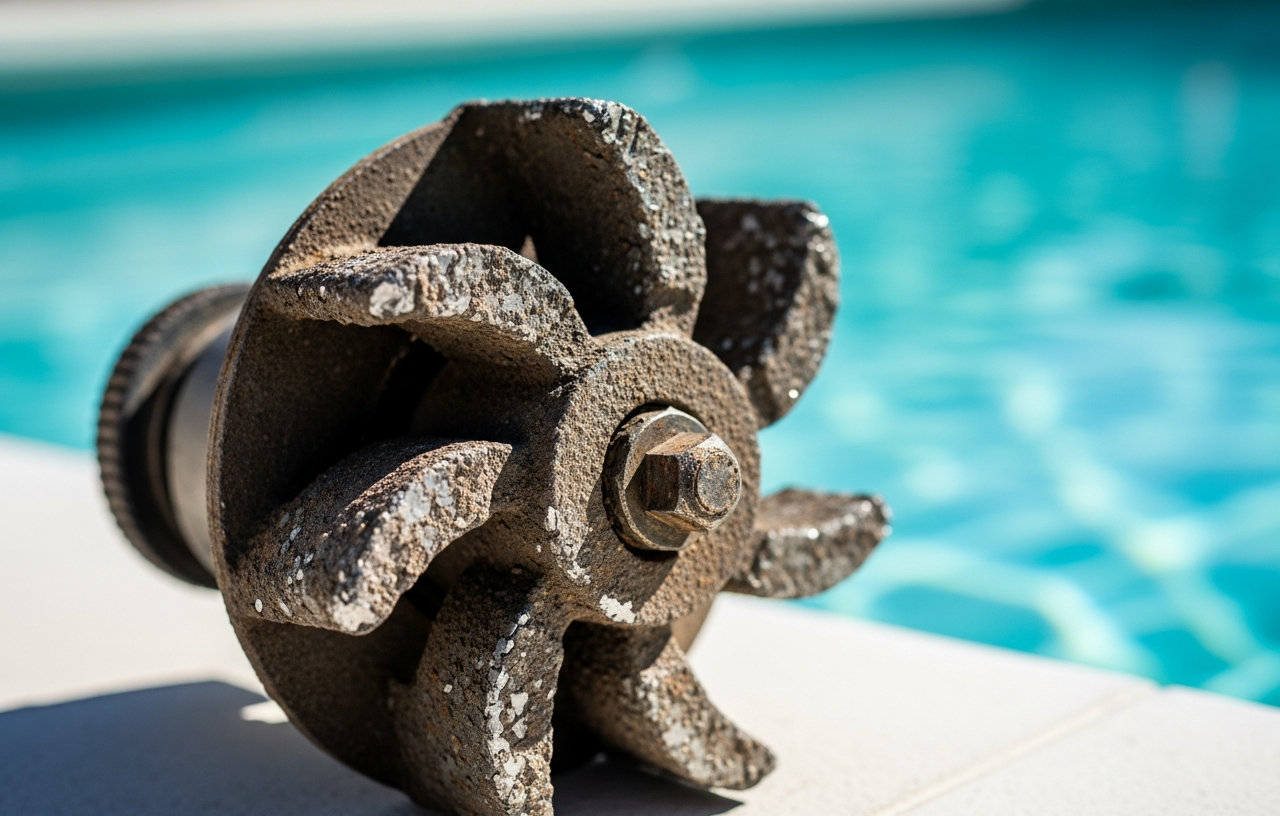

SPX2607C Super Pump Impeller Super II Max Flo 1 HP | Compatible with Hayward SPX2607C Impeller Replacement Pool Pumps Parts
- Compatible with superpump pump sp2600x series models sp2600x5, sp2605x7, sp2607x10, sp2607ee, sp2610x15.
- Compatible with maxflo pump sp2800x series models sp2800x5, sp2805x7, sp2807x10, sp2810x15, sp2815x20
- Compatible with PowerFloII pump SP1700 series models SP1705, SP1710, SP1711, SP1720, SP1725, SP1750.
- Compatible with super ii pump sp3000 series models sp3007(eeaz) (eeca), sp3010(eeaz), sp3015(eeaz).
A sudden drop in water flow from your pool jets, or a grinding noise from the pump, often signals a problem with the pool pump impeller. This critical component spins rapidly inside the pump housing, pushing water through your filtration system. When the impeller becomes damaged or obstructed, it cannot move water effectively, leading to a host of issues for your pool's health and cleanliness.
Identifying the exact cause of weak flow is the first step. While a damaged impeller is a common culprit, other factors like air leaks or clogged baskets can mimic the same symptoms. This guide will help you diagnose whether your pool pump impeller is truly damaged and provide clear steps for replacement if needed.
Signs of a Damaged Pool Pump Impeller
Recognizing the symptoms early can prevent further strain on your pump motor and maintain good water quality. Pay attention to these indicators:
- Weak Water Flow: The most obvious sign is a noticeable reduction in the strength of water returning to the pool through the jets. Your pool cleaner might move slowly or stop altogether.
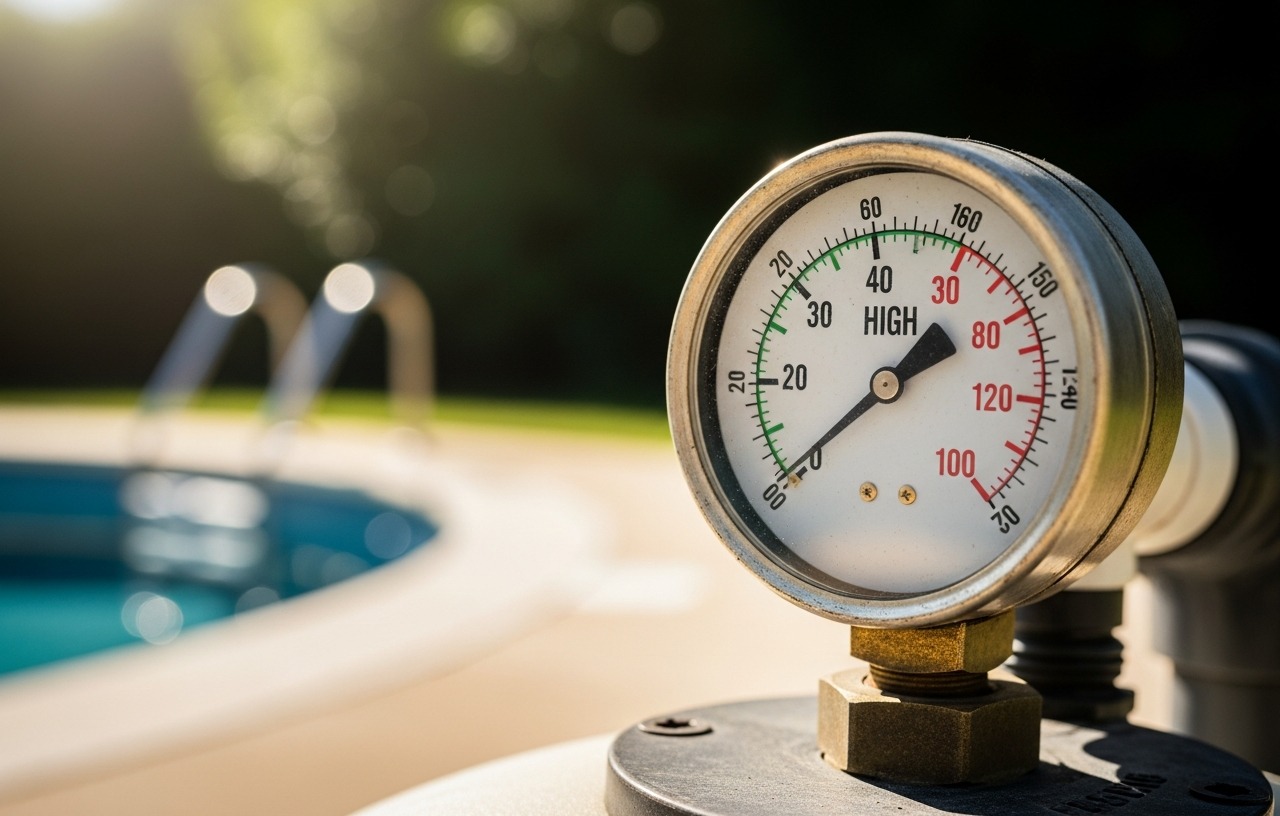
- Low Pressure: The pressure gauge on your pool filter will read lower than its normal operating range. This indicates the pump is not moving enough water through the system.
- Unusual Noises: A damaged impeller can cause grinding, rattling, or a high-pitched whining sound from the pump. This noise can happen when debris hits the impeller or when its vanes are worn down and rubbing.
- Air Bubbles: You might see a stream of air bubbles coming from your return jets. This often suggests the pump is struggling to pull water efficiently, potentially due to cavitation caused by a failing impeller or a suction side air leak.
- Pump Losing Prime: If your pump frequently loses its prime, meaning it stops circulating water and only runs with air, an inefficient or damaged impeller could be the reason.
Diagnosing the Problem: Is Your Impeller Clogged, Worn, or Something Else?
Before assuming the worst, perform a few checks to confirm the issue. Many problems that look like impeller damage are actually simpler to fix.
Is the Impeller Clogged?
A clogged impeller is the most frequent cause of weak water flow and unusual pump noises. Debris like leaves, hair, small pebbles, or even plastic toys can get past the pump's strainer basket and lodge themselves within the impeller vanes.
Quick Test:
- Turn off Power: Always disconnect power to the pump at the breaker before performing any inspection or maintenance.
- Remove Strainer Basket: Open the pump's strainer lid and remove the basket.
- Inspect the Impeller: Look into the pump housing where the impeller is located. You will see the rotating vanes. Use your fingers or a small, blunt tool (like a flathead screwdriver) to carefully feel for any debris stuck between the vanes. Sometimes, you may need to reach further back to clear a blockage.
- Clear Debris: Remove any obstructions you find. A pair of needle-nose pliers can be helpful for stubborn items.
Repair Cost: Clearing a clogged impeller is typically a free DIY repair. If you call a professional, a service call might cost $80-$150, with minimal labor charges if it is a quick clear.
Is the Impeller Worn or Broken?
If the impeller is not clogged, it might be physically damaged. Over time, cavitation (the formation and collapse of vapor bubbles in a liquid), corrosive water chemistry, or repeated impacts from hard debris can erode or break the impeller's vanes. A worn impeller cannot efficiently push water.
Quick Test:
- Turn off Power: Disconnect power to the pump.
- Disassemble the Wet End: You will need to separate the pump's wet end (the volute and housing) from the motor. This usually involves removing several bolts or clamps that hold the two sections together.
- Remove the Diffuser: The diffuser is a plastic component that sits directly in front of the impeller. It directs water into the impeller. Carefully remove it to expose the impeller fully.
- Inspect the Impeller: Look closely at the impeller vanes. Are they chipped, cracked, or severely eroded? Are any pieces missing? The vanes should be smooth and intact.
If you find significant damage, the impeller needs replacement. A new impeller typically costs between $50 and $150, depending on the pump model. Professional replacement, including the part and labor, can range from $200-$400.
For many popular pump models, the SPX2607C Super Pump Impeller is a widely available and compatible replacement. This part can help restore your pump's original efficiency.
Other Potential Causes Mimicking Impeller Damage
Sometimes, the symptoms of a damaged impeller are actually caused by other issues in your pool system.
Air Leak in the Suction Line
An air leak on the suction side of the pump (before the impeller) can cause the pump to lose prime or move water inefficiently, leading to weak flow and air bubbles in the returns. This can look exactly like an impeller problem.
Quick Test: Look for a steady stream of small bubbles in the pump's strainer basket. Listen for a distinct sucking or hissing sound near the pump, skimmer, or plumbing connections. Check all O-rings (pump lid, drain plugs), threaded fittings, and pipe unions for cracks or loose connections. For more details on this, see our guide on Pool Pump Not Priming? Here's How to Fix It.
Repair Cost: DIY fixes, like tightening connections or replacing O-rings, may only cost a few dollars for parts. A professional might charge $150-$300 to locate and seal a persistent air leak.
Skimmer or Pump Basket Clogged
A full skimmer basket or pump strainer basket restricts water flow into the pump, leading to reduced pressure and weak returns. This is a very simple fix.
Quick Test: Visually inspect and empty both your skimmer basket and the pump's strainer basket. Make sure they are clean and free of debris. For more information on maintaining your skimmer, refer to Pool Skimmer Not Working: Diagnose & Fix Suction Issues.
Repair Cost: This is a free DIY fix.
Closed or Partially Closed Valves
If the valves on your suction or return lines are not fully open, they will restrict water flow, mimicking an impeller issue.
Quick Test: Check all valves in your pool plumbing system. Make sure they are fully open to allow maximum water flow. Sometimes, valves can be partially closed by accident during routine maintenance.
Repair Cost: This is a free DIY fix.
Dirty or Clogged Filter
A dirty pool filter, whether cartridge, sand, or D.E., creates backpressure and reduces overall water flow. This can also present as weak return jet flow.
Quick Test: Check your filter pressure gauge. If the pressure is significantly higher than its normal clean operating pressure (typically 8-10 PSI above clean pressure), your filter needs cleaning or backwashing. Consult Pool Filter Pressure Too High: Causes & Quick Fixes for detailed steps.
Repair Cost: Backwashing a sand filter is free. Cleaning a cartridge filter may involve a hose and possibly a chemical cleaner ($20-$50). D.E. filter cleaning and recharging can also be a DIY task or cost $50-$100 for chemicals and time.
Motor Issues
While less common, a struggling or failing pump motor might not be spinning the impeller at its optimal speed, resulting in weak flow. The motor might hum loudly, overheat, or emit a burning smell.
Quick Test: Listen to the motor. Does it sound like it is running at full speed? Feel the motor housing for excessive heat. If you suspect motor issues, it may require a professional. For noisy pumps, see our guide .
Repair Cost: Motor repairs can range from $200-$500, while a full motor replacement often costs $400-$800, plus labor.
How to Replace a Damaged Pool Pump Impeller
If you have confirmed that your pool pump impeller is indeed damaged, replacing it is a common DIY repair. It requires some mechanical aptitude but is generally manageable for homeowners.
Tools and Materials You Will Need
- New impeller (make sure it matches your pump model and horsepower)
- Screwdrivers (flathead and Phillips)
- Wrenches or socket set
- Seal lubricant (silicone-based, safe for O-rings)
- Small brush or cloth for cleaning
- Safety glasses
- Gloves
step by step Replacement Process
Follow these steps carefully to replace your pool pump impeller:
- Disconnect Power: The most important first step. Turn off the circuit breaker that supplies power to your pool pump. Verify the power is off before touching any components.
- Drain the Pump: Open the drain plugs on the pump housing to allow all water to exit. This prevents water from spilling when you open the pump.
- Remove the Motor from the Pump Housing: The pump consists of a wet end (where the impeller is) and the motor. These are usually held together by several bolts, clamps, or a band clamp. Loosen and remove these fasteners. Gently separate the motor assembly from the wet end.
- Remove the Diffuser: The diffuser is a plastic piece located directly in front of the impeller. It helps channel water. It may be held in place by small screws or simply slide off. Carefully remove it.
- Unscrew the Impeller: The impeller is threaded onto the motor shaft. To remove it, you often need to hold the motor shaft stationary from the back of the motor while turning the impeller counter-clockwise. Some motors have a flat spot on the shaft for a wrench. If not, you might need to carefully grip the fan at the back of the motor to prevent the shaft from spinning. Unscrew the impeller.
- Clean the Area: With the old impeller removed, clean any debris or mineral deposits from the pump housing and the motor shaft. This makes sure the new impeller seats correctly.
- Install the New Impeller: Thread the new impeller onto the motor shaft clockwise until it is snug. Do not overtighten it.
- Reassemble the Pump: Reinstall the diffuser, making sure it aligns correctly. Reattach the motor assembly to the pump housing, making sure all O-rings and gaskets are in place and lubricated with a seal lubricant. Tighten all bolts or clamps evenly.
- Reprime the Pump: Close all drain plugs. Fill the pump strainer basket with water until the housing is full. Replace the strainer lid, making sure it is tight.
- Restore Power and Test: Turn the circuit breaker back on. Start the pump and observe the water flow from the return jets. Check for any leaks around the pump housing. The pump should prime quickly and deliver strong water flow.
TOP PICK: SPX2607C Super Pump Impeller
The SPX2607C Super Pump Impeller is a highly rated replacement option, compatible with popular Hayward Superpump SP2600X series models (SP2600X5, SP2605X7, SP2607X10, SP2607EE, SP2610X15). It also works with Maxflo pump SP2800X series models (SP2800X5, SP2805X7, SP2807X10, SP2810X15, SP2815X20), and PowerFloII pump SP1700 series models (SP1705, SP1710, SP1711, SP1720, SP1725, SP1750). Its robust construction helps restore optimal flow and pressure, making it an excellent choice for DIY repairs based on product specifications and broad compatibility.
When to Call a Professional
While impeller replacement is often a DIY task, there are times when calling a professional pool technician is the better option:
- You are uncomfortable working with electrical components or disassembling the pump.
- You cannot identify the source of the problem after performing the diagnostic tests.
- The problem seems to be with the motor itself, which often requires specialized tools or knowledge.
- After replacing the impeller, the pump still exhibits weak flow or other issues.
A professional service call typically costs $80-$150. If they need to replace the impeller, expect labor charges of $120-$250, in addition to the cost of the part. This brings the total cost for a professional impeller replacement to approximately $200-$400. For a detailed breakdown of costs, refer to our article on the Cost to Replace a Pool Pump: Prices & DIY vs..
Preventing Impeller Damage
Taking a few preventative measures can extend the life of your pool pump impeller:
- Regular Basket Cleaning: Routinely empty your skimmer and pump strainer baskets. This prevents large debris from reaching the impeller.
- Maintain Water Chemistry: Balanced pool water helps prevent corrosion and scaling that can damage pump components over time. Harsh or unbalanced water can accelerate wear.
- Avoid Running Dry: Never run your pump without water flowing through it. Running dry can cause significant heat buildup and damage the impeller and seals. Make sure the pump is primed before starting.
- Proper Winterization: If you live in a cold climate, make sure to properly winterize your pool pump to prevent freezing water from cracking the housing or damaging internal components.
By understanding the signs, performing careful diagnostics, and taking preventative steps, you can keep your pool pump running smoothly for many seasons. A functioning impeller is essential for a clean and healthy swimming pool.
SPX2607C Super Pump Impeller Super II Max Flo 1 HP | Compatible with Hayward SPX2607C Impeller Replacement Pool Pumps Parts
- Compatible with superpump pump sp2600x series models sp2600x5, sp2605x7, sp2607x10, sp2607ee, sp2610x15.
- Compatible with maxflo pump sp2800x series models sp2800x5, sp2805x7, sp2807x10, sp2810x15, sp2815x20
- Compatible with PowerFloII pump SP1700 series models SP1705, SP1710, SP1711, SP1720, SP1725, SP1750.
- Compatible with super ii pump sp3000 series models sp3007(eeaz) (eeca), sp3010(eeaz), sp3015(eeaz).