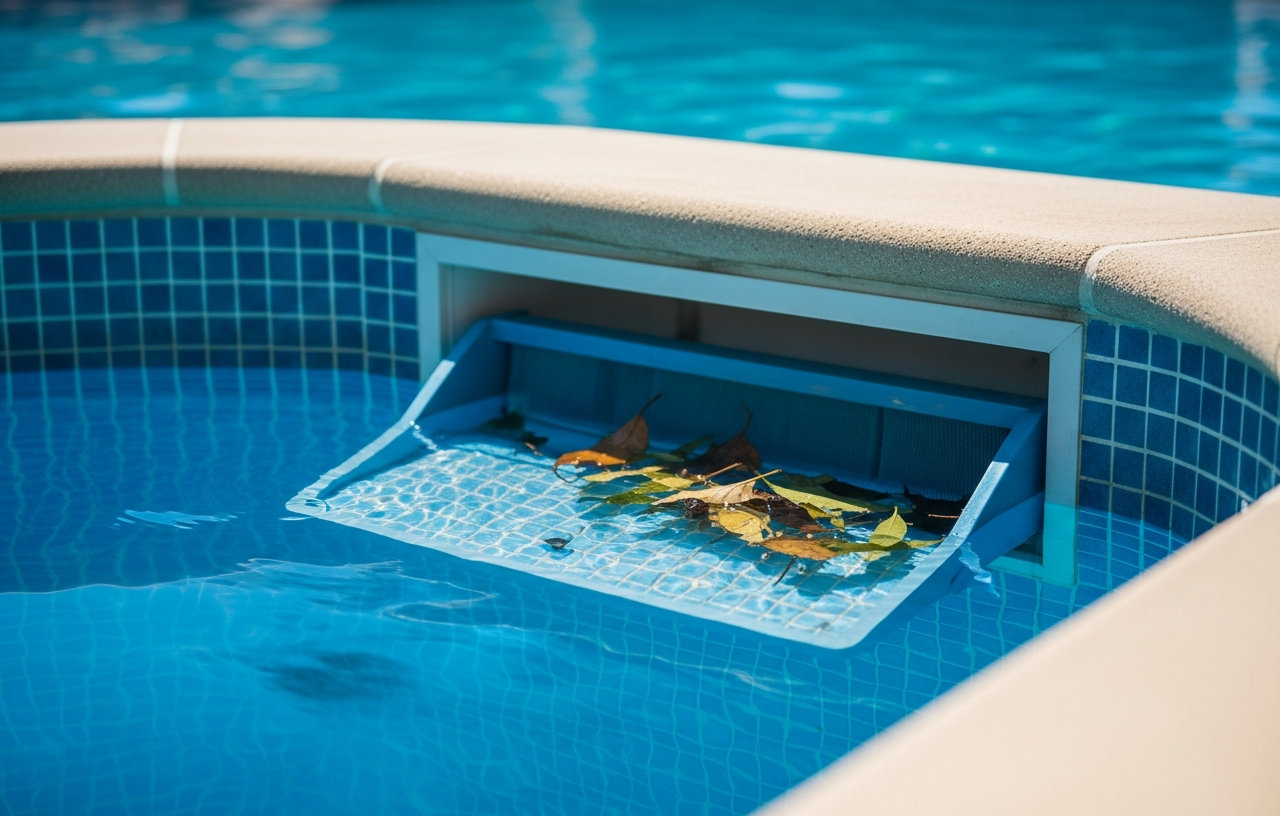
A pool surface skimmer is an essential component of a swimming pool's filtration system, designed to remove debris from the water's surface before it sinks. It acts as the initial collection point for leaves, insects, pollen, and other floating contaminants, pulling water from the top few inches of the pool into the filtration system. This continuous removal of surface debris significantly reduces the workload on the main pool filter and helps maintain clear, inviting water.
How a Pool Surface Skimmer Works
The operation of a pool skimmer relies on the pool pump creating a suction force. Water from the pool's surface flows into the skimmer opening, often equipped with a weir door. This weir, a hinged flap, oscillates with the water level, creating a narrow opening that increases the velocity of the incoming water. This increased velocity helps to draw surface debris more effectively into the skimmer. Once inside the skimmer body, the water passes through a removable skimmer basket. This basket traps larger debris, preventing it from reaching the pump impeller and potentially causing damage. From the skimmer basket, the water travels through plumbing lines to the main pool pump and then to the filter, where finer particles are removed. Finally, the filtered water returns to the pool through the return jets.
Key Components of a Skimmer
Understanding the parts of a skimmer helps with maintenance and troubleshooting.
- Skimmer Opening: The rectangular opening at the pool wall, where water enters. Standard openings are typically 8 to 10 inches wide.
- Skimmer Weir (Flap Gate): A hinged plastic flap located inside the skimmer opening. It regulates water flow and helps contain debris when the pump is off.
- Skimmer Basket: A removable plastic basket that sits below the weir. It catches large debris like leaves, twigs, and insects. A clogged skimmer basket can severely restrict water flow, affecting the entire filtration system. For more on this, read What is a Pool Skimmer Basket? Functions and Maintenance Explained.
- Skimmer Lid: A cover for the skimmer opening at deck level. It prevents people or pets from falling into the skimmer well and collects some debris.
- Equalizer Line (for inground skimmers): A secondary suction line located below the skimmer opening. It prevents the pump from running dry if the water level drops too low and the main skimmer port loses prime.
- Suction Port(s): Connect the skimmer to the main plumbing line leading to the pool pump. Many skimmers have two ports, one for the main drain and one for the skimmer itself, controlled by a diverter or valve.
Types of Pool Surface Skimmers
Pool skimmers vary in design and installation method, primarily based on the type of pool.
Built-in/Inground Pool Skimmers
These are the most common type for inground swimming pools. They are integrated directly into the pool wall during construction. Inground skimmers are typically connected to the main pool plumbing system and work in conjunction with the main drain and pump to circulate and filter water. They are usually made from durable plastic, fiberglass, or concrete. A typical inground skimmer is designed to handle water flow rates of 15 to 30 gallons per minute (GPM), depending on the pump size and plumbing configuration. Most residential inground pools have at least one skimmer for every 400-500 square feet of surface area.
Above-Ground Pool Wall-Mounted Skimmers
Above-ground pools often use wall-mounted skimmers. These units attach to an opening cut into the pool wall or hang over the pool's edge. They function similarly to built-in skimmers, drawing water from the surface into a basket. They are usually made of UV-resistant plastic. Some models, like the Hayward SP1091LX Dyna-Skim, are specifically engineered for above-ground vinyl pools and offer a wide mouth for increased skimming efficiency.
Floating Pool Skimmers
Floating skimmers offer a versatile solution, particularly for pools without built-in skimmers or as supplementary debris removal. They sit on the water's surface and move freely or anchor to the side.
- Passive Floating Skimmers: These typically have a collection basket and float on the surface, moving with the water currents. They do not have their own pump and rely on the natural movement of water or wind to direct debris into them. These are simpler and less effective than powered options.
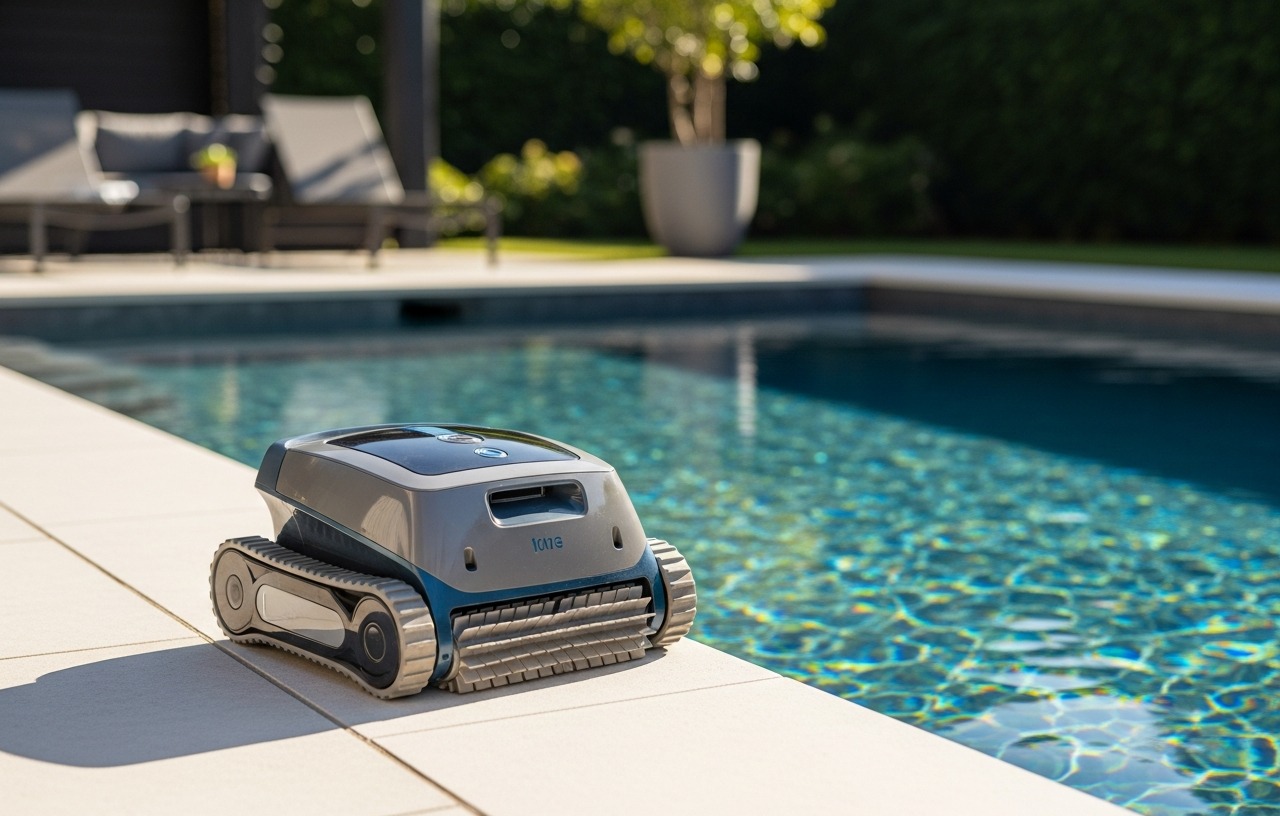
- Powered Floating Skimmers (Robotic): These units have an integrated pump or connect to the pool's existing pump. They actively draw water and debris into a collection area. Some advanced models are self-propelled and navigate the pool surface, offering continuous cleaning. These are especially useful for pools in areas with heavy leaf fall or for supplementing an underperforming built-in skimmer. For example, a robotic floating skimmer might process 1,000 to 2,000 gallons per hour, independent of the main pump.
Importance of a Functioning Skimmer
A properly working skimmer is fundamental to pool hygiene and equipment longevity.
- Prevents Debris from Sinking: Removing debris from the surface stops it from sinking to the bottom, where it can stain the pool liner or become harder to remove.
- Reduces Algae Growth: Organic matter like leaves and pollen provides nutrients for algae. Removing these materials quickly helps prevent algae blooms.
- Protects Pool Equipment: By trapping larger debris, the skimmer basket prevents leaves, twigs, and hair from reaching and potentially damaging the impeller of the pool pump or clogging the filter. A damaged impeller can lead to a pool pump not priming issue.
- Maintains Water Clarity: Efficient surface skimming contributes significantly to overall water clarity, making the pool more inviting and reducing the need for excessive chemical treatments.
- Optimizes Chemical Use: With less organic matter decaying in the water, sanitizers like chlorine can work more effectively on bacteria and pathogens rather than breaking down debris. This can also help in maintaining balanced pool pH levels.
Common Skimmer Problems and Troubleshooting
Skimmers can develop issues that hinder their performance.
- Poor Suction: A weak suction at the skimmer opening means less debris removal. This can be caused by a clogged skimmer basket, a full pump strainer basket, air leaks in the suction line, or a low water level. You can find detailed troubleshooting steps for this in Pool Skimmer Not Working: Diagnose & Fix Suction Issues.
- Clogged Skimmer Basket: The most common problem. A full basket restricts flow. Emptying it frequently is a simple fix.
- Stuck Weir Door: If the weir door is stuck open or closed, it will not regulate flow effectively. Debris can enter or the skimmer may lose its surface skimming action. Clean or adjust the weir.
- Cracked Skimmer Body: Cracks in the skimmer body can cause air leaks into the system, leading to poor suction and pump priming issues. These often require professional repair, which can involve cutting out and replacing the skimmer. The ideal water level is about one-third to halfway up the skimmer opening.
Maintenance Tips for Skimmers
Regular maintenance extends the life of your skimmer and keeps your pool clean.
- Empty the Skimmer Basket Daily: During peak season or after storms, check and empty the basket at least once a day. This is the simplest and most important task.
- Inspect the Weir Door: Make sure the weir door moves freely. Remove any debris that might be jamming it.
- Check for Cracks or Damage: Periodically inspect the skimmer body, lid, and basket for cracks or wear. Replace damaged components promptly.
- Maintain Proper Water Level: Keep the pool water level consistently at the halfway point of the skimmer opening.
- Brush and Vacuum Regularly: Even with a good skimmer, brushing the pool walls and vacuuming the bottom helps push settled debris towards the main drain or skimmer.
- Clean Skimmer Well: Occasionally, remove the skimmer basket and clean out any fine silt or debris that might accumulate at the bottom of the skimmer well.
When to Call a Pool Professional
While many skimmer issues are DIY-friendly, some situations warrant professional intervention.
- Persistent Air Leaks: If you suspect an air leak in the skimmer body or its plumbing lines and cannot locate or fix it yourself. A professional can perform a pressure test.
- Major Skimmer Body Damage: Cracks in the skimmer body that are not superficial often require extensive repair, sometimes involving excavation for inground pools.
- Plumbing Blockages: If you suspect a blockage deep within the skimmer's plumbing line that cannot be cleared with simple methods.
- Systemic Suction Problems: If the skimmer suction is weak despite clearing the baskets and checking the water level, and you have ruled out other pump-related issues. It serves as the first line of defense against floating debris, protecting your filtration system and helping to maintain pristine water quality. Understanding its function, recognizing its components, and performing routine maintenance will ensure your skimmer operates efficiently, contributing to a cleaner, healthier swimming environment for years to come.