Standing water in your pool means a healthy circulation system is not working. The pool skimmer basket is an essential component, often overlooked, that protects your pool's pump and filter from large debris. Without it, leaves, twigs, hair, and other particles would quickly clog your plumbing, leading to expensive repairs and poor water quality.
What is a Pool Skimmer Basket?
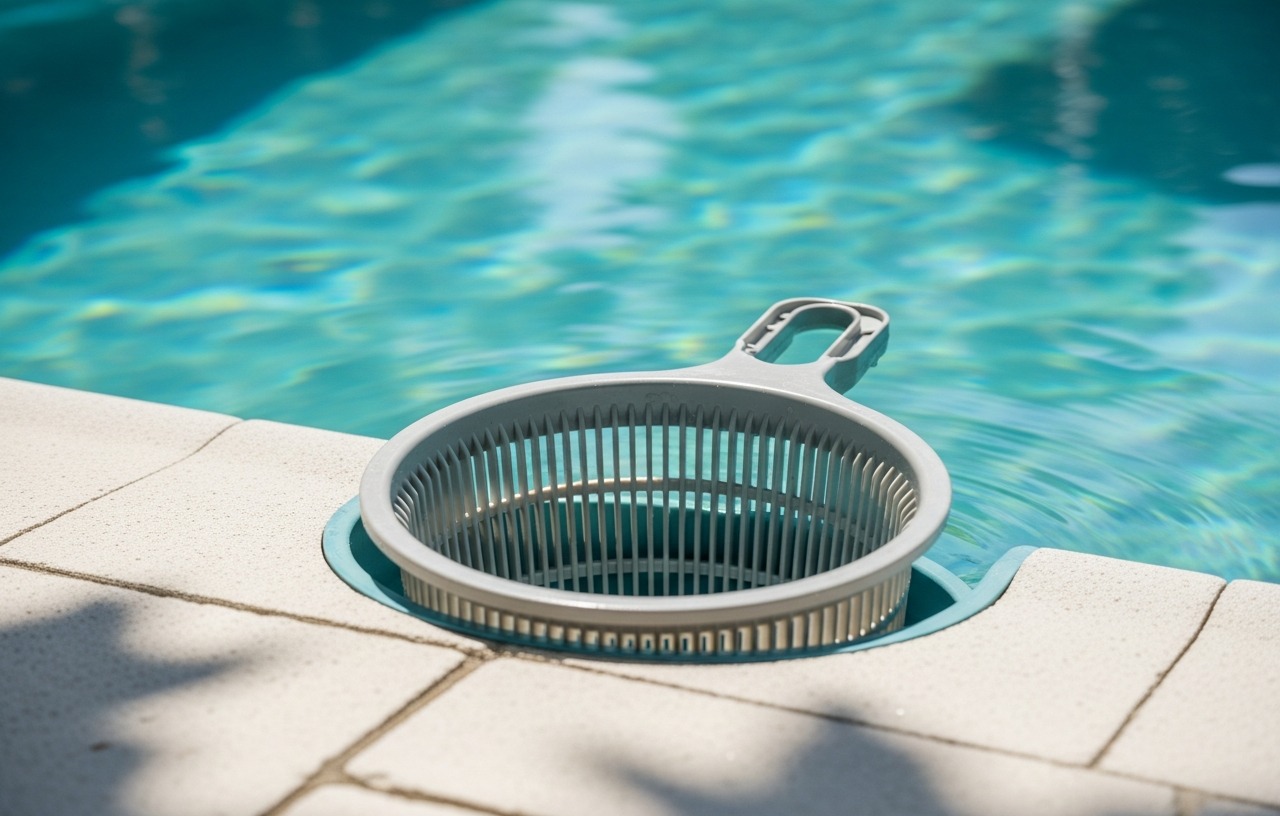
A pool skimmer basket is a removable plastic container located inside the skimmer opening at the waterline of your pool. Its primary function is to intercept and collect larger debris floating on the water's surface before it can reach the pool pump and filter system. This includes leaves, grass clippings, insects, small toys, and anything else small enough to be drawn into the skimmer opening.
Think of it as the pool's initial trash collector. Water from the pool's surface flows into the skimmer, passing through the basket. The basket traps the debris, allowing cleaner water to continue its journey to the pump and filter. This simple component plays a vital role in maintaining water clarity and protecting the integrity of your pool equipment.
What Does a Skimmer Basket Do?
The main purpose of a skimmer basket for a pool is debris collection. It acts as a coarse filter, catching visible items that could otherwise cause significant problems. Here is a breakdown of its key functions:
- Protects the Pool Pump: Large debris can jam or damage the impeller inside the pool pump. The basket keeps these items out of the plumbing lines.
- Maintains Water Flow: By trapping debris, the basket helps maintain consistent water flow to the pump and filter. Unrestricted flow is necessary for efficient filtration and chemical distribution.
- Extends Filter Life: Reducing the amount of large debris reaching the main pool filter (sand, cartridge, or DE) means the filter has less work to do. This extends the time between backwashing or cartridge cleaning, prolonging the filter's lifespan.
What Does a Skimmer Basket Look Like?
Most pool skimmer baskets are cylindrical or slightly tapered, made from durable plastic, and feature a sturdy handle. The plastic is typically black, blue, or gray, designed to withstand pool chemicals and UV exposure. They have numerous perforations (holes) around their sides and bottom, allowing water to pass through while trapping solid materials.
The handle is a significant feature. It allows for easy removal and emptying of the basket without needing to reach deep into the skimmer opening. While most baskets are round, some specialized skimmers, particularly for older or custom pools, might use square or rectangular baskets. The specific dimensions, including height and diameter, vary significantly between different skimmer models and manufacturers, such as Hayward, Pentair, and Zodiac.
Pool Skimmer Basket vs. Pool Pump Basket
It is common for pool owners to confuse the pool pump basket with the skimmer basket, but they serve distinct roles in different locations.
- Pool Skimmer Basket: This basket is located in the skimmer opening at the edge of the pool, typically under the skimmer lid. Its purpose is to catch the largest debris before it enters the plumbing system. Water flows from the pool surface, into the skimmer, through this basket, and then down to the pump.
- Pool Pump Basket (Strainer Basket): This basket is found inside the pump housing itself, just before the pump's impeller. It acts as a secondary filter, catching any smaller debris that managed to pass through the skimmer basket or entered the system through the main drain. This secondary defense is vital for protecting the pump's internal components from finer particles. If the pump basket is full or damaged, it can prevent the pool pump from priming effectively.
Both baskets are critical for system protection. Neglecting it can lead to significant problems.
How Often Should You Clean It?
The frequency of cleaning depends on your pool's environment. For pools near trees or in windy areas, daily cleaning might be necessary. For others, two to three times a week might suffice. During peak swimming season or after heavy storms, check and empty the basket daily. A full skimmer basket drastically reduces the pool's suction, leading to poor circulation and filtration.
Steps to Clean a Skimmer Basket:
- Turn Off the Pool Pump: This prevents debris from being sucked into the system while the basket is removed and protects you from suction injuries.
- Remove the Skimmer Lid: Carefully lift the lid covering the skimmer opening.
- Lift Out the Basket: Use the handle to pull the basket straight up and out of the skimmer well.
- Empty Debris: Dump all collected leaves, insects, and other debris into a trash can.
- Rinse the Basket: Use a garden hose to rinse out any remaining small particles or grime.
- Inspect for Damage: Check the basket for cracks, holes, or weakening plastic. Even small cracks can allow debris to bypass the basket.
- Replace the Basket: Carefully place the clean basket back into the skimmer well. Make sure it seats properly at the bottom.
- Replace the Skimmer Lid: Securely place the lid back on.
- Restart the Pool Pump: Turn the pump back on to resume circulation.
When to Replace a Skimmer Basket
Baskets can become brittle over time due to sun exposure and chemical contact. Replace your skimmer basket if it shows any signs of damage:
- Cracks or Holes: Even small openings allow debris to pass through.
- Missing Pieces: Broken sections compromise its ability to trap debris.
- Warpage: If the plastic is warped, it might not seat correctly, allowing water to bypass it.
A new skimmer basket typically costs between $10 and $40. Popular replacement baskets like a generic 8-inch diameter skimmer basket can be found for around $15. Specific brands like a Hayward SPX1082CA skimmer basket might cost $25-$35. They provide an extra layer of filtration, catching much smaller particles that would normally pass through the standard basket's perforations.
Benefits of Skimmer Socks:
- Traps Fine Debris: They are effective at collecting pollen, dust, pet hair, oil, suntan lotion residue, and tiny insects.
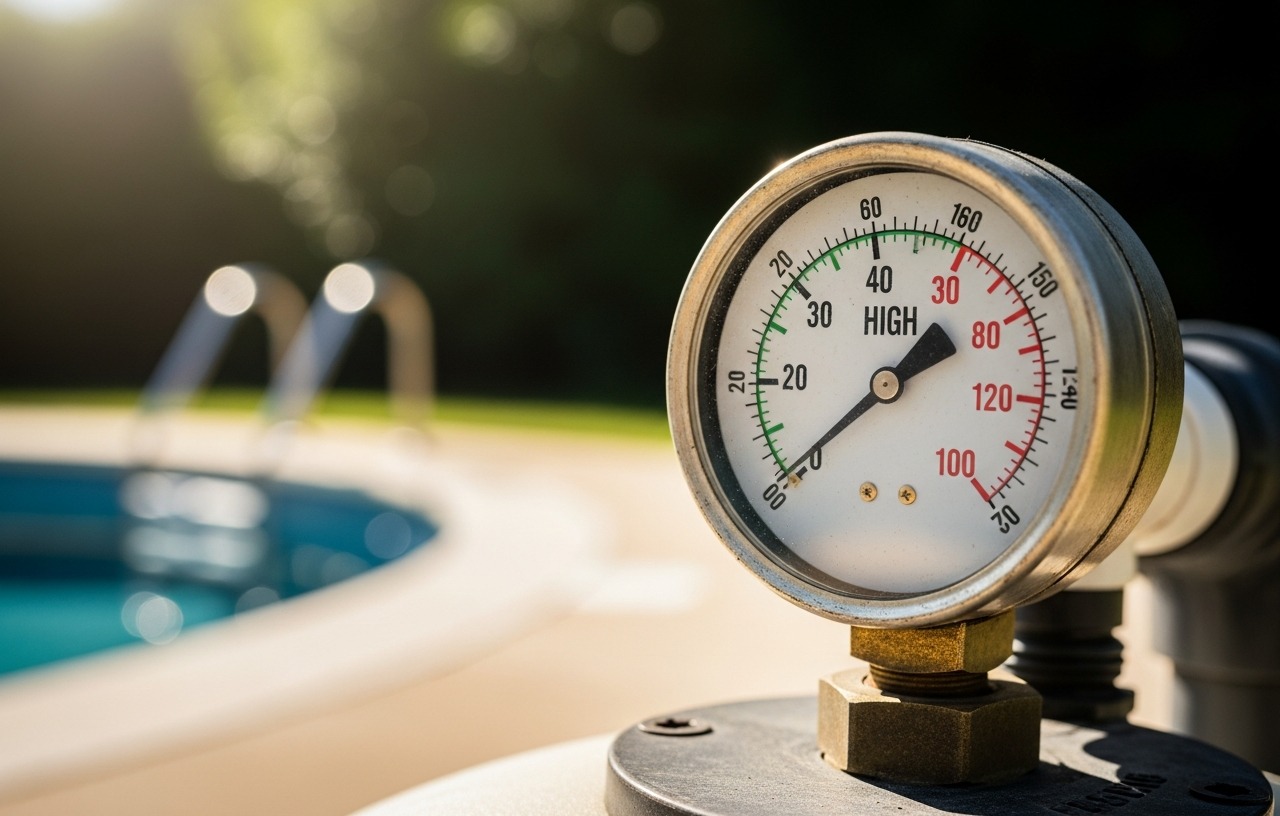
- Protects Filter: By removing these smaller particles earlier, skimmer socks reduce the load on your main pool filter, potentially extending the time between filter cleanings or backwashing. This can help prevent issues like high filter pressure.
- Improves Water Clarity: Capturing micro-debris contributes to noticeably clearer pool water.
Considerations for Using Skimmer Socks:
- Frequent Cleaning: Skimmer socks can clog quickly, especially during pollen season. A clogged sock restricts water flow, putting strain on your pump. They often need to be rinsed or replaced daily.
- Reduced Flow: If left uncleaned, a heavily laden skimmer sock can significantly impede water flow to the pump, similar to a completely full skimmer basket. This can lead to reduced suction in your skimmer. When it becomes visibly dirty, remove it, empty the debris, rinse it thoroughly, and reuse it if it is a reusable type, or dispose of it and replace it with a new one.
Troubleshooting Common Skimmer Basket Issues
Problems with your skimmer basket are usually easy to diagnose and fix.
- Reduced Suction: The most common issue is a full skimmer basket. When packed with debris, water cannot flow freely, reducing the suction power at the skimmer. This can also affect the overall circulation and filtration of the pool. Always check the skimmer basket first if you notice weak suction.
- Pump Overheating or Noise: A severely clogged or damaged skimmer basket can starve the pump of water, causing it to work harder. This leads to overheating and unusual noises, such as a high-pitched whine or grinding. Addressing the basket issue immediately can prevent pump damage.
- Debris in Pump Basket: If you consistently find large debris in your pump basket, it indicates that your skimmer basket is either damaged (cracked, broken) or not seating correctly. Replace or adjust the skimmer basket to make sure it is effectively capturing debris.
- Skimmer Lid Issues: Sometimes, the skimmer lid itself can be the problem. A broken or ill-fitting lid can allow extra debris into the skimmer well or even fall into the skimmer, blocking the basket.
If you encounter persistent issues after checking your skimmer basket, consider other components of your pool system. A professional pool technician charges $100 to $200 for a service call to diagnose problems, with additional costs for parts and labor. Routine skimmer basket maintenance helps avoid these expenses.
The pool skimmer basket is a small but mighty part of your pool's ecosystem. Regular cleaning and timely replacement of this inexpensive component safeguard your entire circulation system. It makes sure of cleaner water, extends the life of your pump and filter, and helps you enjoy your pool with fewer worries.