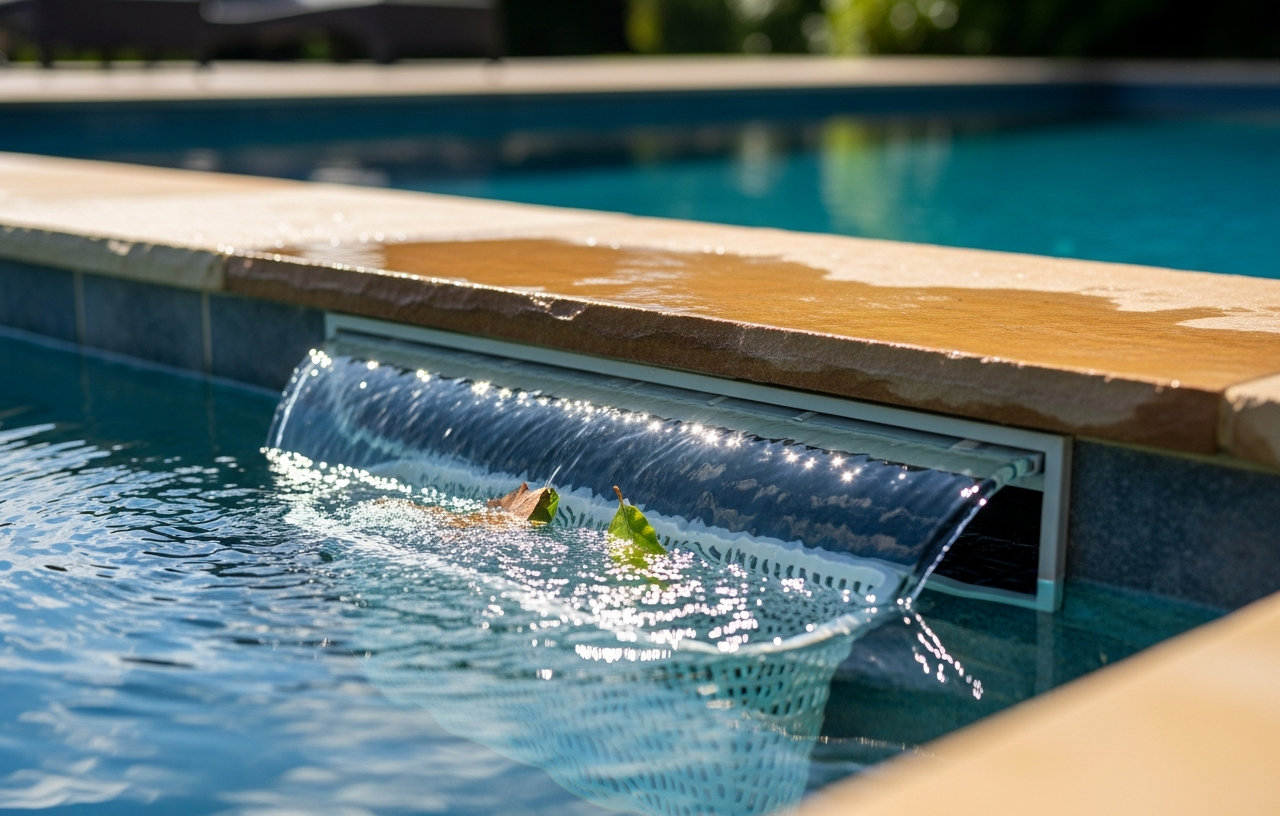
A pool surface skimmer acts as the first line of defense against floating debris. It removes leaves, insects, pollen, and other contaminants from the water's surface before they sink and decompose. This device is critical for maintaining water clarity and reducing the workload on the main pool filter system.
What is a Pool Surface Skimmer?
A pool surface skimmer is an opening located at or just below the pool's waterline. Its primary purpose is to draw water from the surface, where most floating debris accumulates. This water then flows through a basket, which traps larger debris, before continuing its journey to the pool pump and filter system. Without a functioning skimmer, a pool quickly becomes littered with organic material, leading to cloudy water and increased chemical demand.
The skimmer's design allows it to constantly process the top layer of water. This continuous removal of surface contaminants prevents them from sinking to the pool floor, where they would otherwise require manual vacuuming or more intensive filtration. It is a fundamental component of any effective pool circulation and cleaning system.
How a Pool Surface Skimmer Works
The operation of a pool surface skimmer relies on the pool's main pump to create suction. This suction pulls water from the pool's surface into the skimmer opening. This weir adjusts to the water level, allowing a thin, fast-moving layer of water to enter the skimmer. This specific flow pattern effectively 'skims' debris from the surface into the skimmer opening.
Once inside, the water and debris pass through the skimmer basket. This basket acts as a coarse filter, trapping larger items such as leaves, twigs, and insects. This prevents these larger objects from reaching and potentially damaging the pool pump's impeller or clogging the finer pool filter. After passing through the basket, the water flows through the skimmer line, an underground pipe, to the main pool pump. From the pump, the water is pushed through the pool filter, where smaller particles are removed, and then returned to the pool through the return jets.
The Role of Suction and Water Level
Proper water level is essential for the skimmer to work effectively. The water level should typically be about one-third to halfway up the skimmer opening. If the water level is too high, the skimmer weir cannot create the necessary surface tension to pull debris efficiently. If the water level is too low, the skimmer may draw air, which can cause the pool pump to lose prime or even suffer damage. A common issue is weak skimmer suction, which often stems from a clogged skimmer basket or a problem with the pool pump itself. For troubleshooting weak suction, consult resources like Pool Skimmer Not Working: Diagnose & Fix Suction Issues. If the pump is struggling to prime, refer to Pool Pump Not Priming? Here's How to Fix It.
Types of Pool Surface Skimmers
Pool surface skimmers come in various designs, each suited for different pool types and homeowner needs. Understanding these variations helps in maintenance and troubleshooting.
Built-In Skimmers (In-Ground Pools)
These are the most common type for in-ground swimming pools. Built-in skimmers are integrated directly into the pool wall during construction. They are typically positioned opposite the return jets to promote optimal water circulation across the pool surface. Each built-in skimmer connects to the pool's main plumbing system via a dedicated suction line that leads to the pool pump.
- Construction: Made of durable plastic or fiberglass, designed to withstand pool chemicals and UV exposure.
- Placement: Usually installed in multiples for larger pools to ensure comprehensive surface cleaning.
- Features: Often include an equalizer line, which is a secondary suction port located lower in the skimmer body. This line opens if the main water level drops too low, preventing the pump from drawing air and running dry.
Automatic Pool Skimmers (Robotic)
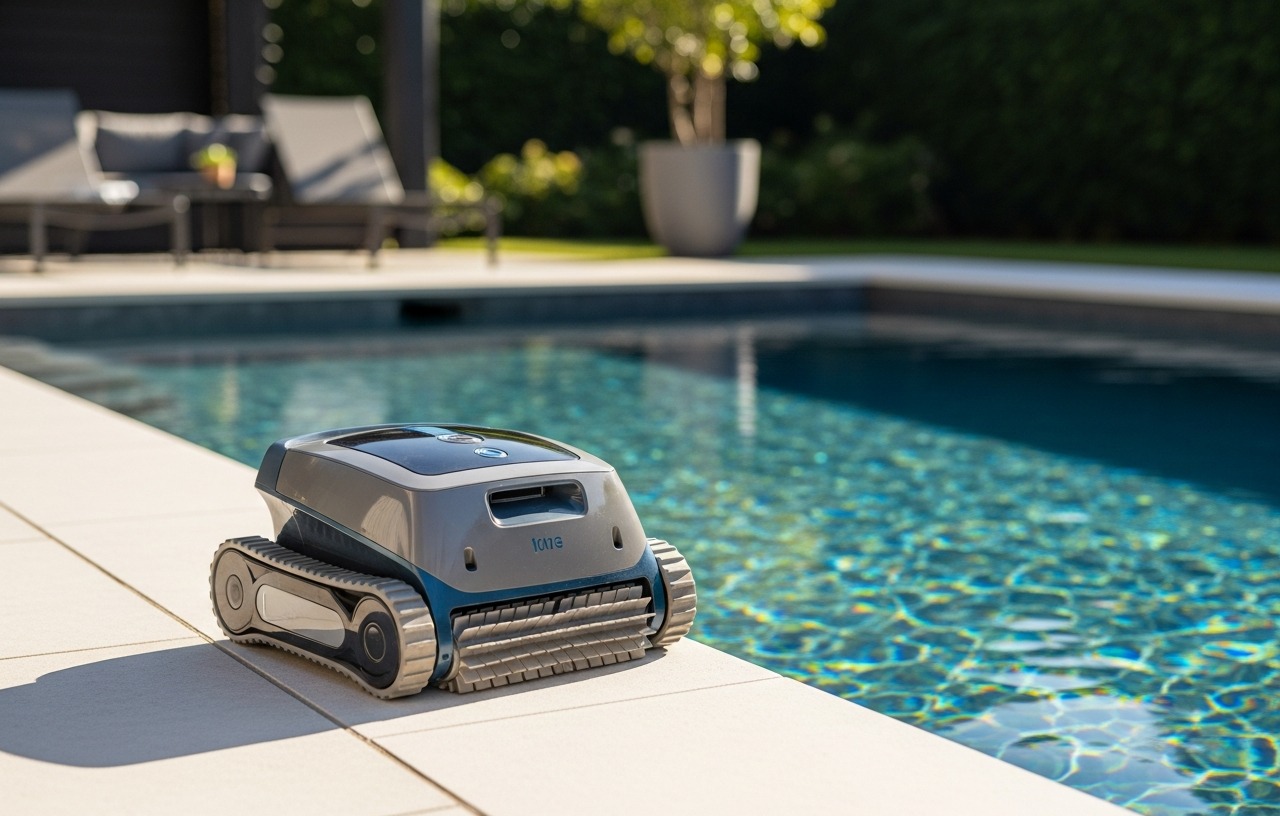
Automatic skimmers are self-contained units that float independently on the pool's surface. These devices are especially popular for supplemental cleaning or for pools without traditional built-in skimmers, such as some above-ground models. They operate using their own power source, typically solar energy or rechargeable batteries.
- Operation: They move across the pool surface, collecting debris into an internal basket. Some models use small propellers to navigate, while others rely on water currents.
- Independence: These skimmers do not connect to the main pool pump or filtration system. They have their own filtration mechanism, usually a fine mesh screen or small filter bag.
- Benefits: They reduce the workload on the main skimmer and filter, consume minimal energy, and are easy to deploy and retrieve.
Floating Skimmers (External or Supplemental)
Floating skimmers, distinct from robotic ones, are often used for above-ground pools or as temporary solutions for in-ground pools. These units typically consist of a floating head that sits on the water surface and connects to the pool's existing pump or a dedicated external pump.
- Connection: Many floating skimmers for above-ground pools attach to the side of the pool and connect to the suction side of the pool's filter pump.
- Versatility: They can be a cost effective way to add surface skimming capability to pools that lack built-in skimmers.
- Limitations: Their effectiveness can be limited by wind and water currents, and they may require manual repositioning.
Key Components of a Pool Skimmer
Understanding the individual parts of a built-in pool skimmer helps with routine maintenance and troubleshooting.
Skimmer Weir (Flap)
The skimmer weir is the hinged, plastic flap located at the entrance of the skimmer opening. Its function is twofold: it creates a narrow opening that increases the velocity of water entering the skimmer, effectively pulling surface debris, and it prevents collected debris from floating back out into the pool when the pump is off or when the water level fluctuates.
Skimmer Basket
Inside the skimmer body, below the lid and behind the weir, sits the skimmer basket. This removable basket is designed to catch larger debris like leaves, hair, and insects before they reach the pump impeller or main filter. Regular emptying of the skimmer basket is perhaps the most important routine maintenance task for any pool owner. For more details on this component, read What is a Pool Skimmer Basket? Functions and Maintenance Explained.
Skimmer Lid
The skimmer lid is the cover that sits flush with the pool deck or coping, providing access to the skimmer basket. It serves as a safety feature, preventing people or pets from falling into the skimmer opening. Lids are typically made of durable plastic or concrete and should always be kept in place when the pool is in use.
Skimmer Suction Port and Line
The skimmer suction port is the opening at the bottom of the skimmer body where water exits the skimmer and enters the skimmer line. The skimmer line is the underground plumbing pipe that carries the skimmed water to the pool pump. Blockages in this line can severely impact skimmer performance.
Equalizer Line (for In-Ground Skimmers)
Many in-ground skimmers include an equalizer line. This is a secondary suction port located on the lower side of the skimmer body, typically near the bottom. Its purpose is to draw water from deeper in the pool if the main water level drops too low. This prevents the skimmer from drawing air, which could cause the pool pump to lose prime or overheat. The equalizer line is often regulated by a small valve or check ball inside the skimmer.
Maintenance for Optimal Skimmer Performance
Regular maintenance ensures your pool surface skimmer operates at peak efficiency, keeping your pool cleaner and reducing wear on your pool equipment.
- Empty the Skimmer Basket Regularly: This is the most frequent task. Depending on the amount of debris your pool collects, the basket should be emptied daily or several times a week. A full basket restricts water flow, reducing skimmer suction and straining the pump.
- Check the Skimmer Weir: Make sure the weir flap moves freely. It should swing open easily when the pump is running and float back to a semi-closed position when the pump is off. A stuck or broken weir compromises skimming efficiency.
- Maintain Proper Water Level: Keep the pool water level between one-third and halfway up the skimmer opening. This allows the weir to function correctly and prevents the skimmer from drawing air.
- Inspect for Clogs: Occasionally, debris can bypass the basket and get stuck in the skimmer line. If suction is consistently weak despite a clean basket, there might be a clog in the plumbing. This may require professional intervention or specialized tools for removal.
- Clean the Skimmer Body: Algae or debris can build up on the inside walls of the skimmer. Periodically wipe down the interior to prevent growth and maintain a clean appearance.
Common Skimmer Problems and Fixes
Pool skimmers are generally robust, but problems can arise. Recognizing these issues early helps prevent more significant pool problems.
Weak or No Suction
This is the most common skimmer issue. The first step is to check the skimmer basket for excessive debris. Next, inspect the pump basket for clogs. Verify the water level is correct. If the issue persists, there might be an air leak in the suction line or a clog further down the skimmer plumbing. A professional pool technician can use specialized equipment to locate and clear deep clogs.
Skimmer Weir is Stuck or Broken
A weir that does not float freely or is visibly cracked needs attention. A stuck weir prevents proper surface skimming. Replacement weirs are readily available and usually easy to install by simply snapping them into place. The cost for a replacement weir typically ranges from $20-$60.
Air Entering the System
If you see a continuous stream of bubbles coming from your pool's return jets, the skimmer might be drawing air. This can happen if the water level is too low, the skimmer lid is not sealed properly, or there's a crack in the skimmer body or suction line. Air in the system can lead to your pool pump losing prime, reducing filtration efficiency, and potentially damaging the pump. Check the water level first, then inspect the skimmer lid gasket for damage.
Damaged Skimmer Basket
Over time, skimmer baskets can crack or break, allowing debris to bypass them and reach the pump or filter. A damaged basket should be replaced immediately to protect other pool equipment. Replacement baskets are inexpensive, usually costing $15-$40.
The Skimmer's Role in Overall Pool Health
The pool surface skimmer is more than just a debris collector; it is a vital part of the entire pool ecosystem. By removing organic material from the surface, it significantly reduces the amount of work required from your pool filter and helps maintain stable water chemistry. Fewer leaves and insects mean less organic load for sanitizers to break down, resulting in clearer water and potentially lower chemical consumption. A well maintained skimmer contributes directly to a healthier, more enjoyable swimming experience and extends the life of your pool equipment.
Major skimmer line repair or full skimmer replacement for an in-ground pool can be a significant undertaking. Timely attention to minor skimmer issues can prevent these costly repairs.