This broad range accounts for the heater unit itself, professional labor, and any required electrical or gas line work. Understanding these variables helps pool owners budget accurately and choose the best heating solution for their needs.
Understanding Pool Heater Installation Costs
The total swimming pool heater installation cost depends on several factors, including the type of heater you choose, the size of your pool, your geographical location, and whether existing gas or electrical lines are sufficient. Each heater type brings its own set of equipment costs and installation complexities.
Gas Pool Heater Installation Cost
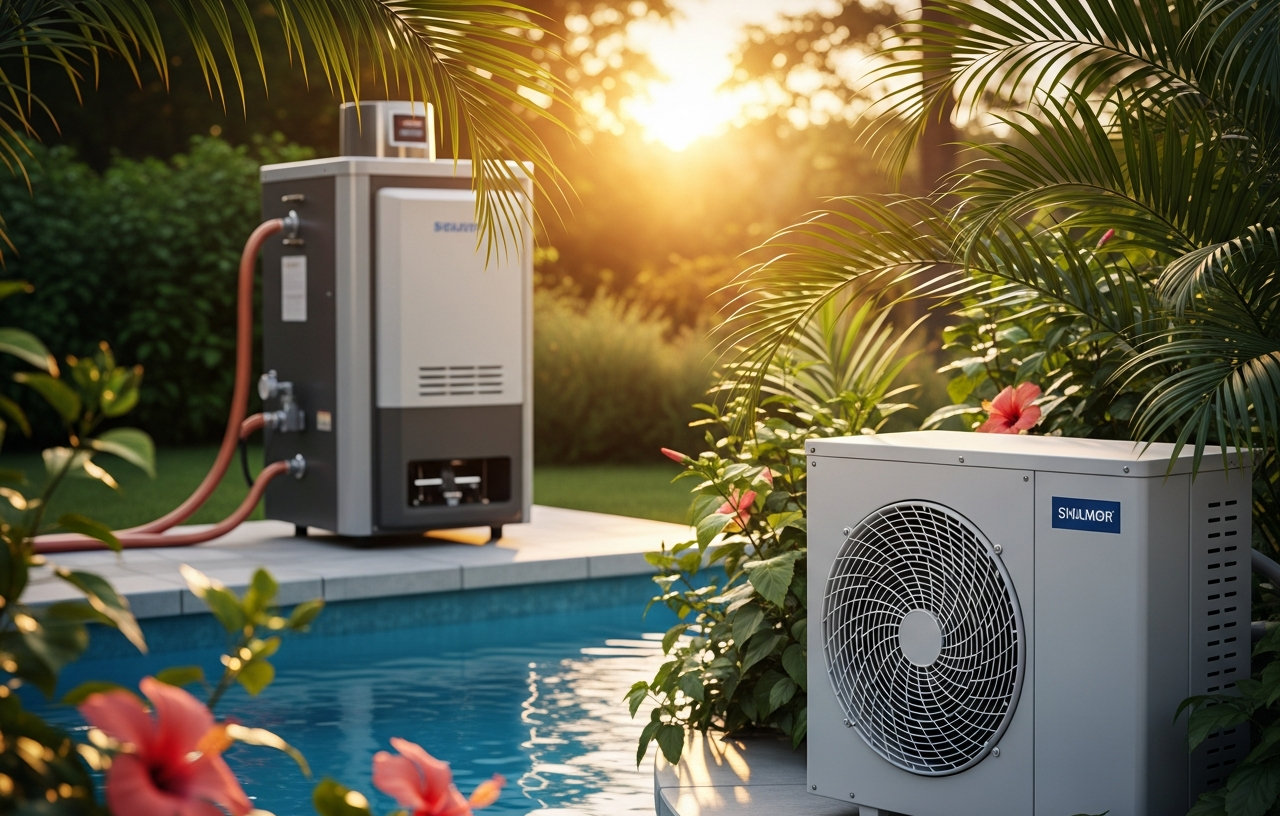
Gas pool heaters, powered by natural gas or propane, offer rapid heating. They are popular for quickly warming pools, especially for intermittent use. The units themselves typically cost between $1,500 and $6,000, varying by heating capacity (BTU rating) and brand.
Installation costs for a gas heater range from $500 to $2,500. This often includes:
- Gas Line Installation: If your home does not have an existing gas line near the pool equipment pad, or if the current line is too small, a new line or upgrade is necessary. This can add $300 to $1,500 or more, depending on the length and trenching required.
- Venting: Proper ventilation is essential for gas heaters to safely exhaust combustion byproducts.
- Plumbing: Connecting the heater to your existing pool plumbing system.
- Electrical Hookup: Gas heaters still require a small electrical connection for controls and ignition, typically a 120V circuit.
Due to the safety concerns surrounding gas lines, professional installation is almost always recommended for gas pool heaters. A licensed plumber or HVAC technician often handles the gas line connections.
Electric Pool Heater Installation Cost
Electric resistance pool heaters are less common for heating entire large swimming pools due to higher operating costs, but they are sometimes used for smaller pools, plunge pools, or hot tubs. The units themselves cost between $500 and $2,500.
Installation costs for an electric resistance heater can range from $300 to $1,000. These heaters require a dedicated high-voltage electrical circuit, typically 240V, and a significant amperage draw. If your electrical panel needs an upgrade or a new circuit needs to be run, this can significantly increase the install pool heater cost. An electrician usually charges $75 to $150 per hour, plus material costs for wiring and breakers.
Pool Heat Pump Installation Cost
Pool heat pumps are energy-efficient choices that extract heat from the air and transfer it to the pool water. They are excellent for extending the swimming season in many climates. The cost for a pool heat pump unit ranges from $3,000 to $8,000, based on BTU output and features. Many pool owners consider these the best pool heat pumps for overall value.
The installation of a pool heat pump typically costs between $800 and $2,500. Key components of this cost include:
- Electrical Wiring: Heat pumps require a dedicated 240V electrical circuit, similar to electric resistance heaters but often with a lower amperage requirement. Upgrading your electrical service or running new lines can add $400 to $1,800.
- Plumbing Connections: Integrating the heat pump into your pool's existing circulation system.
- Pad or Base: Heat pumps are outdoor units and need a level, stable pad for placement, which might be a concrete slab or composite pad.
While some homeowners with advanced electrical and plumbing skills might attempt a DIY pool heat pump installation, professional help is often wise to make sure proper electrical codes are followed and the unit operates efficiently.
Solar Pool Heater Installation Cost
Solar pool heaters use the sun's energy to warm your pool water, offering a highly environmentally friendly and low-operating-cost option. The initial investment for solar panels ranges from $2,000 to $5,000, depending on the number of panels needed for your pool size and sun exposure.
Solar pool heater installation cost typically falls between $1,000 and $3,000. This includes:
- Panel Mounting: Panels are usually installed on a roof or a ground mount structure. Roof mounting involves plumbing runs to and from the roof, which can be complex.
- Plumbing Lines: Connecting the panels to your pool's filtration system. This often involves a diverter valve to direct water through the solar panels.
- Controller: Some systems include an automatic controller to manage water flow based on temperature.
DIY installation for basic solar systems is more feasible for homeowners with good plumbing skills, especially if ground-mounted. Roof installations often require professional help for safety and to make sure proper panel orientation and structural integrity.
Factors Influencing the Overall Cost to Install Pool Heater
Beyond the heater type, several specific conditions affect the final pool heaters cost installed.
Pool Size and Heater Sizing
Larger pools require heaters with higher BTU ratings or more solar collector area, which directly increases the equipment cost. For example, a heat pump for a small plunge pool or an endless pool setup will cost significantly less than one for a 30,000-gallon inground pool.
Existing Infrastructure and Location
The proximity of your pool equipment pad to existing gas lines or your main electrical panel plays a significant role. Running new gas lines or heavy-gauge electrical wiring over long distances, or through difficult terrain, adds considerable labor and material costs. Trenching for underground lines can add $5 to $15 per linear foot.
Permits and Inspections
Most pool heater installations, especially those involving gas or significant electrical work, require local building permits. Permit costs vary by municipality, typically ranging from $50 to $300. Inspections by local authorities are then necessary to make sure the installation meets safety and code requirements. Failing to obtain permits can lead to fines or the need to remove and re-install equipment.
Labor Rates
Professional labor rates for plumbers, electricians, and pool technicians generally range from $75 to $150 per hour. A service call to your home might cost $80 to $150, which often includes the first hour of labor. Complex installations can take 8-20 hours of labor, significantly impacting the total pool heater cost installed.
DIY vs. Professional Installation: When to Choose Which
Deciding whether to install a pool heater yourself or hire a professional is a critical financial and safety decision.
When DIY Makes Financial Sense
DIY installation can save you hundreds or even thousands of dollars in labor costs. This approach is most viable for:
- Simple Replacements: If you are replacing an identical heater type in the exact same location, and no new gas or electrical lines are needed, the plumbing connections might be manageable for a skilled homeowner.
- Basic Solar Systems: Essential tools like a pipe wrench, PVC cutter, and PVC cement are generally affordable.
- Experienced Homeowners: Those with a strong background in plumbing and basic electrical work might tackle more complex installations, but always with caution and adherence to local codes.
Even for DIY projects, consider consulting an electrician or plumber for specific parts of the job, such as making the final high-voltage electrical connection or inspecting gas lines. If your current pool heater is malfunctioning, you might find that a repair is possible before considering a full replacement. Refer to our Pool Heater Not Working: step by step Fix Guide for troubleshooting tips.
When Professional Installation is Best
For most pool heater installations, especially those involving new infrastructure, professional help is highly recommended. This includes:
- Gas Heater Installations: Working with gas lines carries inherent risks. A licensed gas fitter or plumber makes sure connections are safe and up to code, preventing leaks and other hazards.
- Major Electrical Work: Running new 240V circuits, upgrading your electrical panel, or making high-amperage connections requires a licensed electrician. Incorrect wiring can be dangerous and void warranties.
- Complex Plumbing: Installations requiring significant rerouting of plumbing, or integration with existing pool pumps that might have priming issues, benefit from professional expertise.
- Roof-Mounted Solar: Working on roofs poses fall risks, and improper mounting can damage your roof or lead to leaks.
- Warranty Requirements: Many manufacturers require professional installation for warranty validity.
A professional installation provides expertise, compliance with local codes, and typically includes a warranty on their workmanship. While the upfront cost is higher, it often saves money and headaches in the long run by preventing costly mistakes or safety issues.
Ongoing Operating Costs to Consider
Gas heaters typically have higher operating costs than heat pumps or solar heaters. Solar heaters have almost no operating costs beyond the electricity needed to run the pool pump. Considering these long term expenses helps in choosing the right heater type for your budget and usage.
Making Your Pool Heater Decision
The cost to install a pool heater is a significant investment that enhances your swimming experience. By carefully evaluating the different heater types, understanding the specific installation requirements, and weighing the pros and cons of DIY versus professional help, you can make an informed decision. Always prioritize safety and local code compliance, especially when dealing with gas and electricity. Investing in professional installation often provides the best value and longest lifespan for your new pool heater system.