The total cost to install a new pool heater typically ranges from $1,300 to $10,500 or more, with significant variations based on the heater type. Gas pool heaters, electric resistance heaters, and pool heat pumps each have different unit prices and installation requirements. Professional installation labor, including any necessary electrical or gas line upgrades, usually adds $300 to $2,500 to the overall project. Permits, if required by your local municipality, can add an additional $50 to $300.
Understanding Pool Heater Types and Their Costs
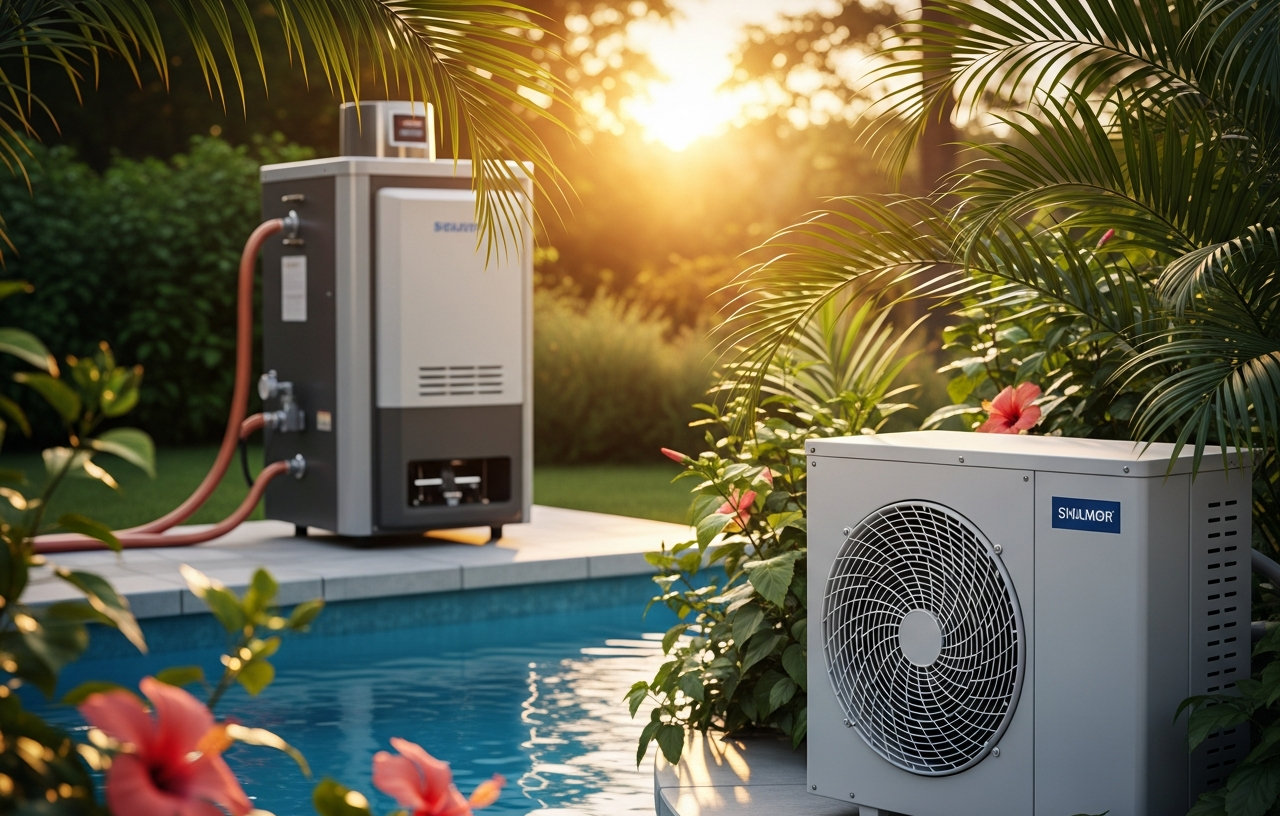
Before budgeting for a new unit, it is helpful to understand the main types of pool heaters available. Each system operates differently and comes with its own set of upfront costs and installation considerations. The most common options are natural gas or propane heaters, electric resistance heaters, and electric heat pump heaters.
Gas Pool Heater Installation Cost
Gas pool heaters use natural gas or propane to heat pool water quickly, regardless of ambient air temperature. They are often chosen for their rapid heating capabilities, especially in colder climates or for pools used intermittently.
- Unit Cost: A new gas pool heater typically costs between $2,500 and $6,000, for units suitable for standard residential pools. Larger or more powerful models for bigger pools can exceed $7,000.
- Professional Installation Labor: Installing a gas heater generally requires a licensed plumber or gas fitter, along with an electrician for wiring. Labor costs range from $500 to $2,000. This includes connecting to an existing gas line, ensuring proper ventilation, and making electrical connections for the control panel.
- Gas Line Installation: If your home lacks a suitable gas line near the pool equipment pad, extending one can add $500 to $2,000 or more, depending on the distance and complexity. Propane heaters require a tank installation, which can be a separate cost, often leased from the propane supplier.
- Electrical Work: A dedicated 120V or 240V circuit might be needed for the heater's controls and igniter. This electrical work can add $150 to $500.
- Permits: Gas line work and major electrical changes almost always require permits. Expect to pay $100 to $300 for these.
Total Estimated Cost (Gas Pool Heater Installed): $3,000 to $8,000+, not including new gas line if needed.
Electric Resistance Pool Heater Installation Cost
Electric resistance heaters use heating elements, similar to a hot water heater, to warm pool water. They are generally less efficient than heat pumps but offer a lower upfront cost and are simpler to install than gas heaters if sufficient electrical service is already available.
- Unit Cost: Electric resistance pool heaters usually cost between $1,000 and $4,000. Their size and heating capacity dictate the price.
- Professional Installation Labor: Installation primarily involves electrical connections. A qualified electrician will typically charge $300 to $1,000 for the work, ensuring the correct breaker size and wiring.
- Electrical Panel Upgrades: These heaters draw a significant amount of power. If your existing electrical panel cannot handle the load, an upgrade might be necessary, adding $800 to $2,500 to the total cost. Most require a dedicated 240V circuit.
- Permits: Electrical permits are often required for new high-amperage circuits or panel upgrades. These can cost $50 to $200.
Total Estimated Cost (Electric Resistance Pool Heater Installed): $1,300 to $5,000+, potentially more with panel upgrades.
Pool Heat Pump Installation Cost
Pool heat pumps work by extracting heat from the ambient air and transferring it to the pool water. They are highly energy-efficient and cost effective to operate, especially in climates with consistently warm air temperatures. For more information on selecting the right model, consider reading our guide on the Best Pool Heat Pumps for 2026.
- Unit Cost: Pool heat pumps are generally the most expensive units upfront, ranging from $3,000 to $8,000. Factors like BTU output, brand, and features influence the price.
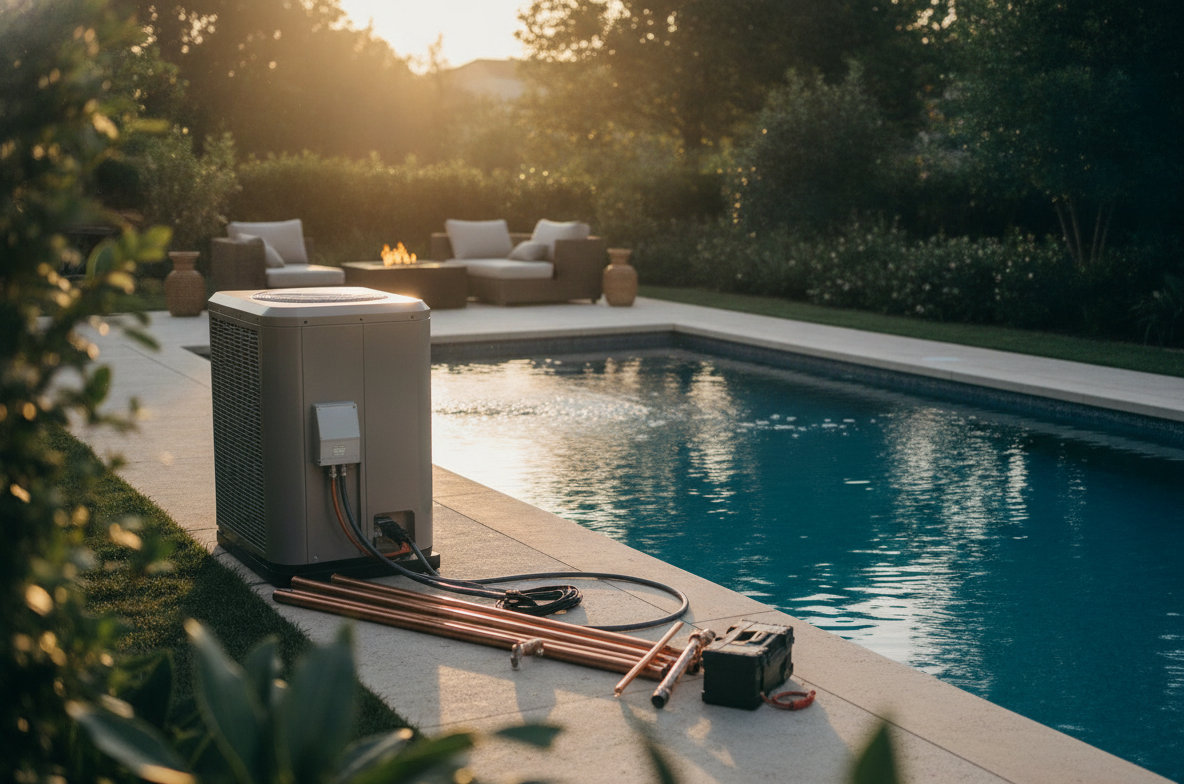
- Professional Installation Labor: Installation involves plumbing connections to the existing pool filtration system and electrical wiring. A pool technician or electrician will typically charge $700 to $2,500. This includes positioning the unit, connecting it to the water lines, and running the necessary electrical service.
- Electrical Requirements: Most pool heat pumps require a dedicated 240V circuit. If your electrical panel needs an upgrade or a new circuit run, this can add $500 to $2,000.
- Concrete Pad: Heat pumps are heavy and require a stable, level surface. A concrete pad or durable equipment pad might be needed, costing $100 to $500 if not already present.
- Permits: Electrical permits are common for heat pump installations, costing $50 to $250.
Total Estimated Cost (Pool Heat Pump Installed): $3,700 to $10,500+, depending on electrical service and site preparation.
DIY vs. Professional Pool Heater Installation
Deciding whether to install a pool heater yourself or hire a professional depends on your skills, the heater type, and local regulations. While DIY can save on labor costs, the risks can be substantial.
When DIY Makes Financial Sense
DIY installation is generally only advisable for those with significant plumbing and electrical experience, especially for electric resistance heaters where the main connections are electrical. Even then, safety and compliance with local codes are critical. For example, replacing an existing electric heater with a new one of the same type and size, using existing wiring and plumbing, could save you $300 to $1,000 in labor costs. A common DIY money-saving option is purchasing the heater unit yourself from an online retailer rather than through an installer, potentially saving hundreds. You can also prepare the site, such as clearing space or laying a simple equipment pad, to reduce professional labor time.
When Professional Installation is Worth the Cost
For most pool owners, professional installation is the safer and more reliable option. This is especially true for gas heaters, which involve complex gas line connections and venting, or for any installation requiring new electrical circuits or panel upgrades. A professional ensures the system is installed correctly, safely, and in compliance with all local building codes. They also handle necessary permits and can troubleshoot any unforeseen issues. Professional service calls typically cost $80-$150, with hourly labor rates ranging from $75-$150. Given the specialized nature of pool equipment, this expense is often a good investment.
Installing a gas pool heater or a large electrical heat pump is not a beginner-friendly project. Incorrect wiring can cause electrical fires, and improper gas connections can lead to gas leaks. Many manufacturers also require professional installation to validate the product warranty. Always verify local permit requirements before attempting any DIY work.
If your existing pool heater is not working, you might be able to fix it rather than replace it. Our guide on Pool Heater Not Working: step by step Fix Guide offers troubleshooting steps that could save you the cost of a new unit entirely.
Factors Affecting Swimming Pool Heater Installation Cost
Several factors beyond the heater type influence the total cost of installation.
Pool Size and Type
Larger pools require heaters with higher BTU outputs, which are more expensive. An inground pool might have different space and plumbing considerations compared to an above ground pool. For example, an inground pool might require more extensive trenching for gas or electrical lines, while an above ground pool might have easier access to existing utilities.
Location and Climate
Your geographical location affects heating needs and available resources. In colder climates, a more powerful heater or a gas unit might be preferred for faster heating, increasing upfront costs. Proximity to natural gas lines also impacts the feasibility and cost of a gas heater. Remote locations might incur higher travel fees for installers, increasing the overall swimming pool heater installation cost.
Existing Infrastructure
The state of your current pool equipment pad, electrical service, and gas lines significantly impacts the install pool heater cost. Upgrading an outdated electrical panel or running a new gas line from a distant meter can add thousands to the project. If your existing pool pump setup is inefficient or incompatible, you might need to address that as well. You can find information on related equipment costs in our article, Cost to Replace a Pool Pump.
Permits and Inspections
Most jurisdictions require permits for installing new pool heaters, especially those involving gas or significant electrical work. These permits ensure the installation meets safety and building codes. Fees for permits vary but generally range from $50 to $300. Skipping permits can lead to fines, difficulties with insurance, and problems when selling your home.
Brand and Features
Premium brands or heaters with advanced features, like smart controls, titanium heat exchangers, or higher efficiency ratings, will cost more. While these features can improve performance and longevity, they add to the initial investment. Comparing different models and their specifications is important to balance cost and desired functionality.
Accessibility
If the installation site is difficult to access, such as a backyard with narrow gates or extensive landscaping, installers may charge more for the extra effort involved in moving equipment. Clear access to the equipment pad makes the job quicker and less expensive.
Finding a Pool Heater Installer Near Me
When searching for a pool heater installer near me, consider these steps:
- Get Multiple Quotes: Obtain at least three quotes from different licensed and insured pool contractors or HVAC companies specializing in pool equipment. This helps you compare pricing and understand the scope of work.
- Check Credentials: Verify that contractors are licensed and insured in your state or municipality. Ask for proof of liability insurance and workers' compensation.
- Read Reviews: Look for reviews on platforms like Google, Yelp, or industry-specific sites. Pay attention to comments regarding professionalism, timeliness, and quality of work.
- Ask for References: Request references from recent clients and contact them to inquire about their experience with the installer.
- Understand the Warranty: Discuss the warranty for both the heater unit and the installation labor. A reputable installer will stand behind their work.
A detailed quote should itemize the cost of the heater unit, labor, materials, and any permit fees. Make sure all aspects of the installation are clearly outlined in a written contract before any work begins.
Operating Costs and long term Value
Gas heaters typically have higher operating costs due to fuel prices, especially for frequent use. Electric resistance heaters are also expensive to run. Pool heat pumps offer the lowest operating costs, making them a popular choice for extending the swimming season efficiently, despite their higher initial install pool heater cost. The long term savings on energy bills can offset the higher upfront investment of a pool heat pump over several years.
Careful consideration of all these factors will help you make an informed decision when budgeting for your new swimming pool heater installation cost. Investing in the right heater and professional installation will ensure your pool remains comfortable and enjoyable for years to come.