
Swimming Pool Heater for Above Ground Pool 18450BTU
- Designed for 10 to 14 ft above ground pools, this 5KW pool heat pump efficiently warms water for small.
- This electric pool heat pump intelligently adjusts operation based on water temperature and system.
- Powered by standard 110V household outlets, this plug and play pool heater installs in under 30 minutes.
- Equipped with a pure titanium heat exchanger, this pool heater for above ground pools is fully compatible.

Swimming Pool Heater for Above Ground Pool 30000BTU
- Perfect Pool Heat Pump for Small Pools up to 8,000 Gallons: Designed for above ground pools and small.
- 120V Plug & Play Pool Heater to No Professional Installation Needed: Skip the complicated wiring. This 120V.
- Energy-Efficient Heating to Reduce Electricity Costs: Save on energy bills compared to traditional.
- Smart WiFi Control with Heating & Cooling Modes: Enjoy full control of your pool temperature anytime.
A comfortable swimming temperature extends your pool season and enhances enjoyment. Deciding how to choose a pool heater involves more than just picking the most powerful unit. It requires careful consideration of your specific pool, local climate, and budget.
Many factors impact heater performance, including the pool's volume, desired temperature, and ambient air conditions. Understanding these elements helps you pick a pool heater that delivers warmth efficiently and economically.
Understanding Pool Heater Types
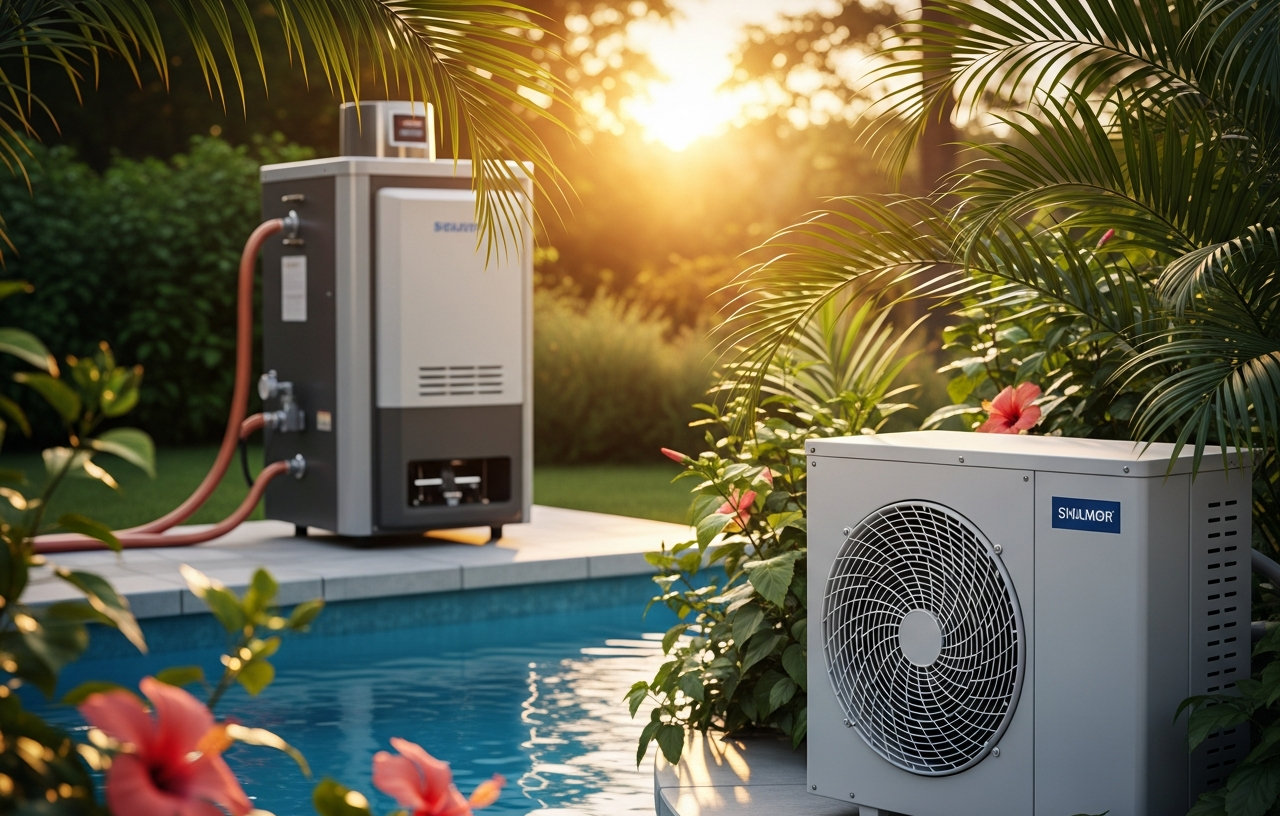
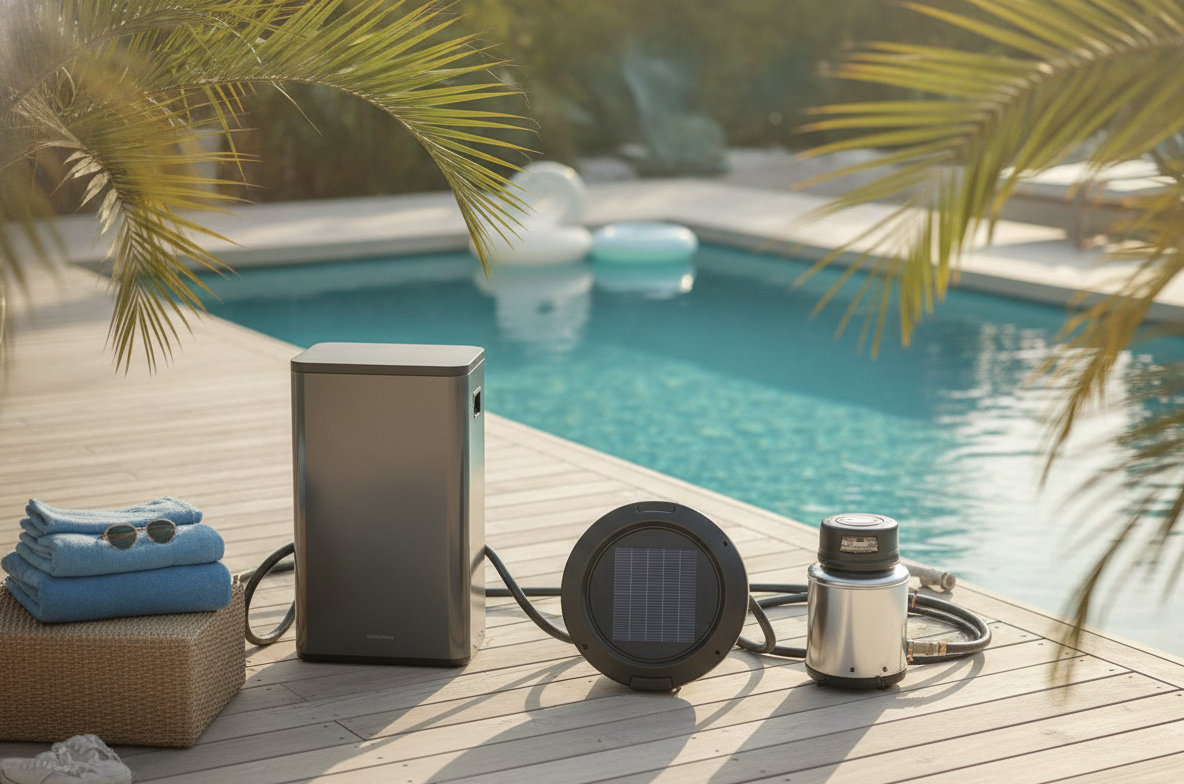
Three main types of pool heaters dominate the market: electric heat pumps, gas heaters (natural gas or propane), and solar heaters. Each offers distinct advantages and disadvantages regarding initial cost, operating expenses, and environmental impact.
Electric Pool Heat Pumps
Electric heat pumps work by extracting heat from the surrounding air and transferring it to your pool water. They do not generate heat directly like gas heaters. Instead, they move existing heat, making them highly energy-efficient, especially in warmer climates or during mild shoulder seasons. Heat pumps perform best when ambient air temperatures are consistently above 45-50°F (7-10°C).
- Pros: Very energy-efficient, lower operating costs than gas, environmentally friendly.
- Cons: Higher initial purchase price, slower heating rate than gas heaters, less effective in cold weather.
- Ideal For: Homeowners in mild-to-warm climates who swim frequently and prioritize energy savings.
For smaller above-ground pools, compact electric heat pumps are a popular choice. The Swimming Pool Heater for Above Ground Pool 18450BTU is designed for 10 to 14 ft above-ground pools. This 5KW unit efficiently warms water and intelligently adjusts its operation based on water temperature. It powers via a standard 110V household outlet, allowing for plug-and-play installation in under 30 minutes. Another excellent option for slightly larger small pools up to 8,000 gallons is the Swimming Pool Heater for Above Ground Pool 30000BTU. This 120V plug-and-play heat pump also requires no professional wiring, saving on installation costs. Both models offer energy-efficient heating to reduce electricity expenses compared to traditional methods.
Gas Pool Heaters (Natural Gas & Propane)
Gas heaters burn natural gas or propane to create heat, which then transfers to the pool water. They are known for their rapid heating capabilities, making them suitable for quickly warming a pool for a weekend swim or for use in colder climates. These heaters are also a good choice if you only use your pool occasionally and want fast results.
- Pros: Heats water very quickly, effective in all climates, lower initial cost than heat pumps.
- Cons: High operating costs due to fuel consumption, less energy-efficient, requires gas line installation.
- Ideal For: Homeowners who need quick heating, use their pool intermittently, or live in colder regions.
Installation of a gas heater often requires a licensed gas technician, which can add $500-$1500 to the overall cost, depending on the complexity of running a gas line. A service call for a gas heater issue typically costs $100-$250, plus parts.
Solar Pool Heaters
Solar pool heaters use the sun's energy to warm your pool water. They circulate pool water through solar collectors, usually mounted on a roof, where the sun heats it before returning it to the pool. Solar systems have virtually no operating costs once installed.
- Pros: Zero operating costs, environmentally friendly, long lifespan.
- Cons: High initial installation cost, dependent on sunlight, slower heating, not ideal for rapid temperature increases or very cold climates without supplemental heating.
- Ideal For: Homeowners in sunny climates who swim regularly and prioritize long term savings and environmental impact.
The effectiveness of solar heating depends heavily on the amount of direct sunlight your collectors receive. Professional installation for a solar system can range from $2,000 to $7,000, depending on the size of your pool and roof accessibility.
Key Specifications and What They Mean
When you learn how to choose the right pool heater, understanding key specifications is essential. These numbers directly impact a heater's performance and efficiency.
BTUs (British Thermal Units)
BTUs measure the heating capacity of gas and electric resistance heaters. A higher BTU rating means the heater can generate more heat. The correct BTU size for your pool depends on its surface area, desired temperature rise, and average ambient air temperature. Undersizing a heater leads to slow heating and increased energy consumption as it struggles to reach the set temperature.
COP (Coefficient of Performance)
COP is specific to electric heat pumps and indicates their efficiency. A COP of 5.0 means that for every unit of electricity consumed, the heat pump delivers 5 units of heat to the pool. Higher COP values mean greater efficiency and lower operating costs. A good heat pump typically has a COP between 5.0 and 7.0.
Energy Efficiency Ratings
Look for Energy Star certifications or other efficiency ratings. These indicate that a heater meets certain performance standards. While heat pumps often have higher upfront costs, their energy efficiency can lead to significant savings on utility bills over time.
Sizing Your Pool Heater
Proper sizing is critical. An undersized heater will run constantly, costing more money and taking longer to heat. An oversized heater costs more upfront and might cycle on and off frequently, which can reduce its lifespan. To calculate the appropriate size, consider these factors:
- Pool Surface Area: Measure the length and width of your pool to calculate its square footage.
- Desired Temperature Rise: Determine the difference between your average pool temperature and your target temperature. Most people aim for 78-82°F (25-28°C).
- Average Air Temperature: Consider the average air temperature during your typical swimming season.
- Wind Exposure: Pools in windy areas lose heat faster, requiring a slightly larger heater.
Many manufacturers provide sizing charts or online calculators. As a rough guide, expect to need approximately 75,000 BTUs for every 10,000 gallons of pool water for a gas heater, or a heat pump with a similar equivalent heating capacity.
Installation and Maintenance Considerations
Installation varies greatly by heater type. Electric heat pumps for above-ground pools, like the Swimming Pool Heater for Above Ground Pool 18450BTU and Swimming Pool Heater for Above Ground Pool 30000BTU, are often plug-and-play. In-ground pool heat pumps, however, require dedicated electrical circuits and professional plumbing. Gas heaters need a gas line connection and proper ventilation. Solar heaters require roof space and specific plumbing to the collectors.
Regular maintenance helps prolong your heater's lifespan and keeps it running efficiently. This includes:
- Keeping the area around the heater clean and free of debris.
- Checking and cleaning the heat exchanger (for gas heaters).
- Inspecting electrical connections (for heat pumps).
- Monitoring water flow and pressure. If your pool pump is not priming correctly, it can affect heater performance.
- Winterizing the heater if you live in a cold climate.
A professional technician can perform annual maintenance checks for $80-$150 for a service call, ensuring all components are working correctly. If your pool heater is not working, many issues can be diagnosed and fixed with basic DIY skills.
long term Costs and Red Flags
The initial purchase price is only part of the equation. Consider the long term cost of ownership, which includes fuel or electricity expenses, maintenance, and potential repairs. Gas heaters typically have lower initial costs but higher operating expenses. Heat pumps have higher upfront costs but much lower running costs. Solar heaters have the highest initial investment but virtually no operating costs.
What to Watch For
- Inadequate Sizing: A heater that is too small will struggle and cost more to run.
- Poor Installation: Incorrect plumbing or electrical connections can lead to inefficiencies, safety hazards, and premature failure.
- low quality Components: Cheaper heaters might use less durable materials, leading to more frequent breakdowns. Check manufacturer warranties and user reviews.
- Noise Levels: Some heat pumps can be noisy. Check decibel ratings if the heater will be near a living area.
- Brand Reputation: Stick with reputable brands known for reliability and good customer service.
Comparing Options and Making Your Decision
To choose pool heater, create a checklist based on your priorities:
- Climate: Warm climates favor heat pumps and solar. Colder climates might need gas heaters or hybrid systems.
- Usage Frequency: Frequent swimmers benefit from the lower operating costs of heat pumps or solar. Occasional users might prefer the quick heating of gas.
- Budget: Balance initial purchase and installation costs with ongoing energy expenses.
- Environmental Impact: Solar and heat pumps are more eco-friendly choices.
- Pool Type: Above-ground pools often use smaller, simpler electric heat pumps. In-ground pools have more options. For information on setting up an above-ground pool pump, see our guide on How to Set Up an Above Ground Pool Pump Correctly.
"Consider your swimming habits carefully. If you only swim on weekends, a fast-acting gas heater could be more convenient despite higher fuel costs. For daily use, the efficiency of a heat pump usually makes more financial sense over time."
Recommendation for Above-Ground Pools
For most above-ground pool owners looking to extend their swimming season, an electric heat pump offers a balance of efficiency and convenience. The Swimming Pool Heater for Above Ground Pool 18450BTU stands out for its easy installation (110V plug-and-play), compact size, and intelligent temperature adjustment, making it ideal for smaller pools (10-14 ft). For slightly larger above-ground pools up to 8,000 gallons, the Swimming Pool Heater for Above Ground Pool 30000BTU provides greater heating capacity with similar plug-and-play ease and energy efficiency benefits.
Both options minimize the need for professional installation, which can significantly reduce the overall cost of getting your pool heated. They offer a simple way to enjoy warmer water without the high running costs of gas heaters.
Ultimately, the best pool heater for you aligns with your specific needs, local conditions, and budget. Take your time to research and compare to make an informed decision.
Swimming Pool Heater for Above Ground Pool 18450BTU
- Designed for 10 to 14 ft above ground pools, this 5KW pool heat pump efficiently warms water for small.
- This electric pool heat pump intelligently adjusts operation based on water temperature and system.
- Powered by standard 110V household outlets, this plug and play pool heater installs in under 30 minutes.
- Equipped with a pure titanium heat exchanger, this pool heater for above ground pools is fully compatible.
Swimming Pool Heater for Above Ground Pool 30000BTU
- Perfect Pool Heat Pump for Small Pools up to 8,000 Gallons: Designed for above ground pools and small.
- 120V Plug & Play Pool Heater to No Professional Installation Needed: Skip the complicated wiring. This 120V.
- Energy-Efficient Heating to Reduce Electricity Costs: Save on energy bills compared to traditional.
- Smart WiFi Control with Heating & Cooling Modes: Enjoy full control of your pool temperature anytime.