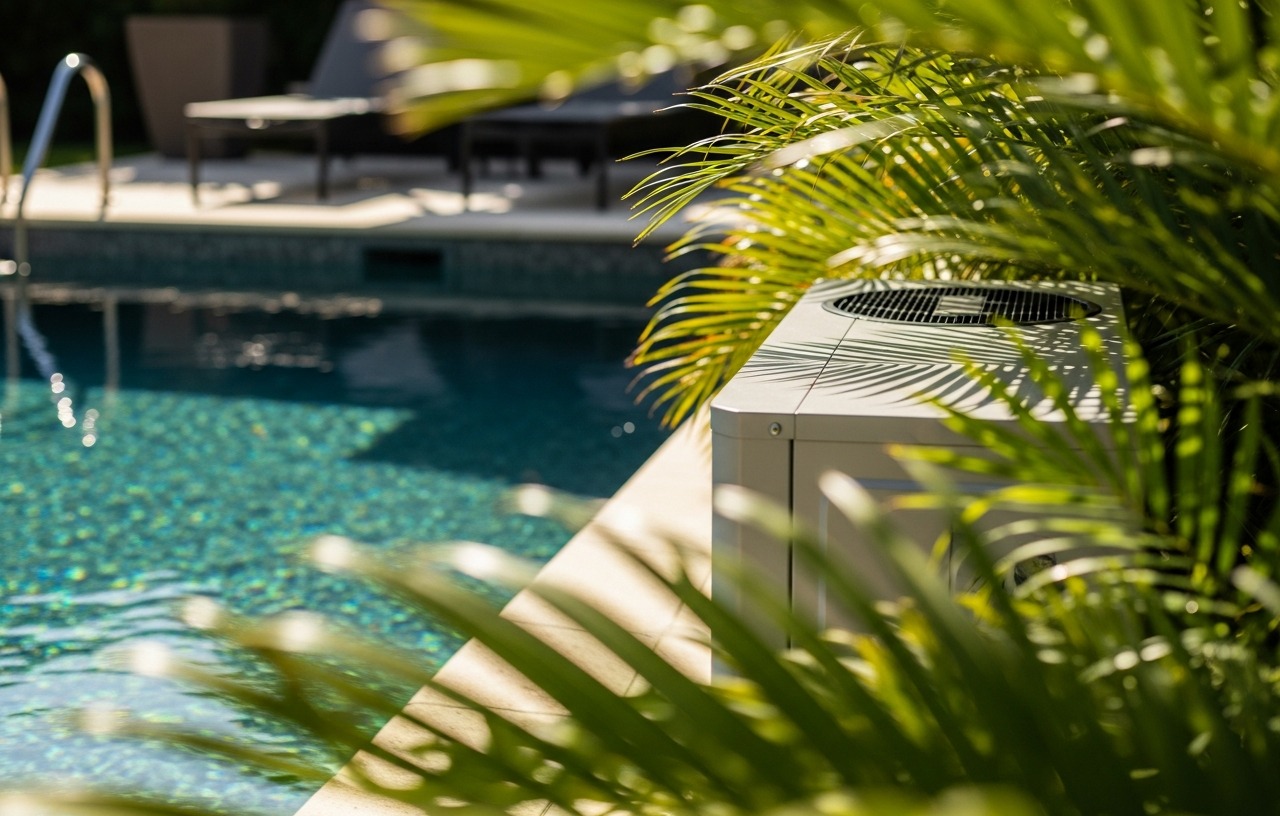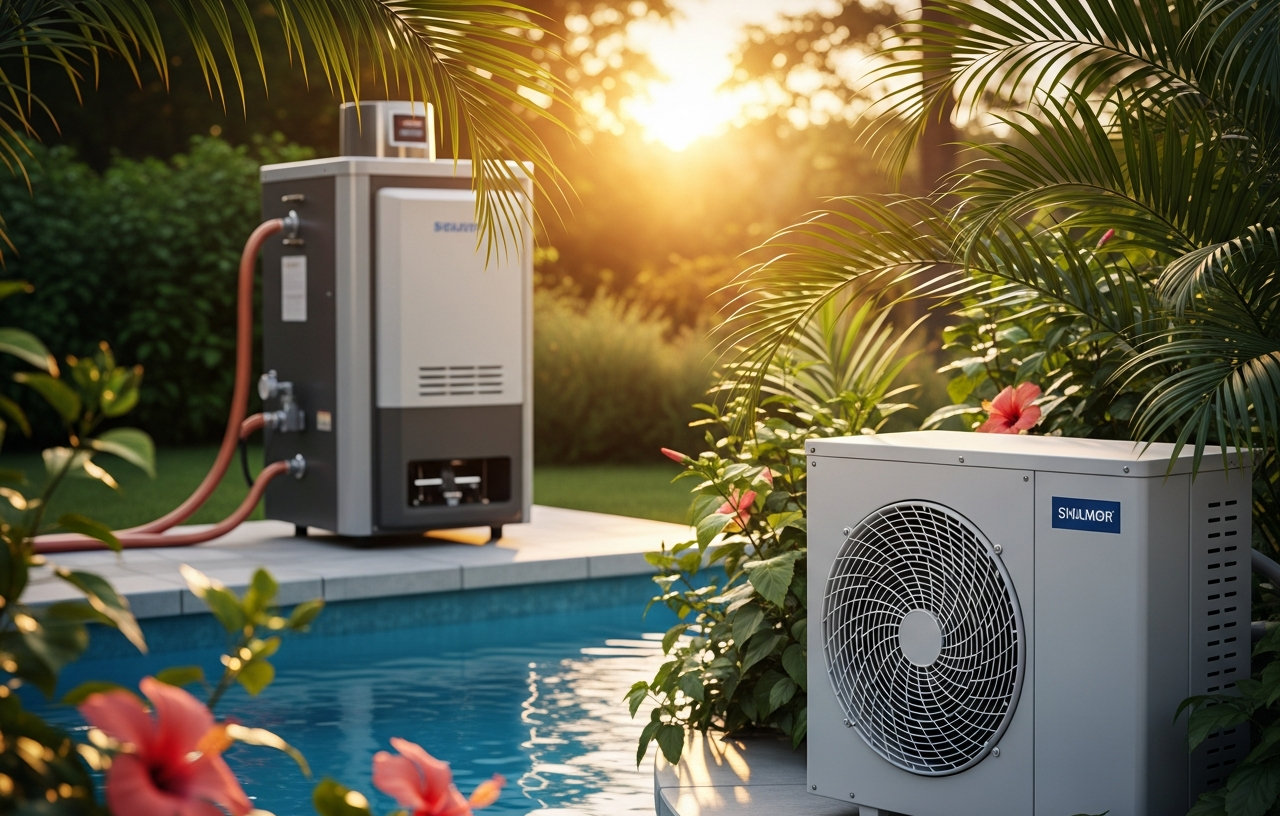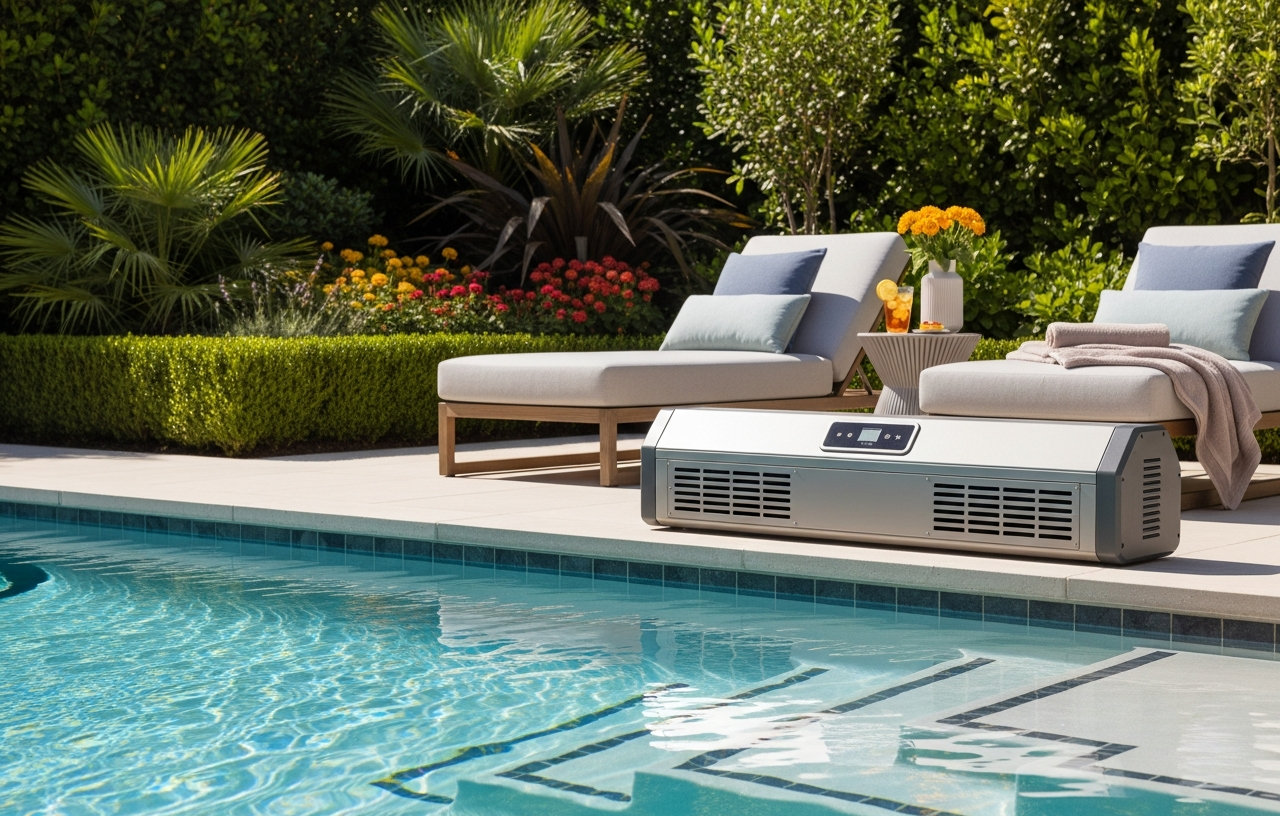

Electric Pool Heater, 30,000 BTU Pool Heat Pump for Above Ground Pools Up to 7000 Gallons, WiFi Control, 120V Titanium Heat
- Perfect Pool Heat Pump for Small Pools up to 7,000 Gallons: Designed for above ground pools and small.
- 120V Plug & Play Pool Heater to No Professional Installation Needed: Skip the complicated wiring. This 120V.
- Energy-Efficient Heating to Reduce Electricity Costs: Save on energy bills compared to traditional.
- Smart WiFi Control with Heating & Cooling Modes: Enjoy full control of your pool temperature anytime.
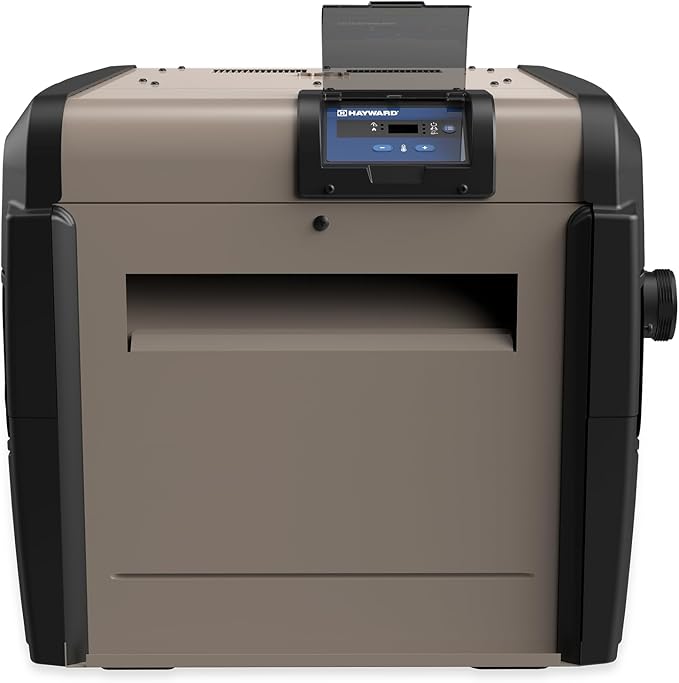
Hayward Pool Heater for Inground Pools Universal H-Series 250,000 BTU (Natural Gas Pool Heater) Pool and Spa Heater W3H250FDN
- Intuitive inground pool heater control panel enables easy operation and maintenance. The digital LED.
- This gas pool heater and pool and spa heater suits in-ground pools and spas up to 750 sq ft with a natural.
- Efficiently designed pool heater for inground pools helps deliver consistent hot water for swimming pools.
- This 250,000 BTU Hayward natural gas pool heater allows flexible gas and electric connections on the right.
How to Choose the Right Pool Heater for Your Home
Extending your swimming season or making evening dips more comfortable depends largely on your pool heating system. The right pool heater matches your pool's size, your local climate, and your budget, both for upfront costs and long term energy use. Picking the best option involves understanding the types of heaters available and evaluating key specifications.
Understanding Pool Heater Types
There are three primary types of pool heaters: gas, electric heat pump, and solar. Each offers distinct advantages and disadvantages regarding initial cost, operating expense, and heating efficiency.
Gas Pool Heaters (Natural Gas or Propane)
Gas heaters, fueled by natural gas or propane, are known for their rapid heating capabilities. They work by burning fuel to heat a coil through which pool water circulates. This speed makes them ideal for intermittent use or for quickly raising the water temperature on demand.
- Pros: Heats water very quickly, effective in all climates, regardless of air temperature.
- Cons: High operating costs, especially with rising fuel prices. Requires a gas line installation or propane tank.
- Installation: Expect professional installation. Costs for installing a natural gas line can vary widely, from a few hundred dollars to over a thousand, depending on the distance to the main line. Propane tanks also require professional setup and regular refills.
The troubleshooting steps for a gas pool heater can be different from other types, so knowing its specific mechanics is helpful.
For larger inground pools, a powerful gas heater like the Hayward Pool Heater for Inground Pools Universal H-Series 250,000 BTU is a strong contender. This natural gas model suits inground pools and spas up to 750 square feet. Its digital LED control panel makes operation and maintenance simple. It is efficiently designed to deliver consistent hot water for swimming pools, allowing for extended use.
Electric Heat Pump Pool Heaters
Electric heat pumps draw heat from the ambient air and transfer it to the pool water. They operate much like a reverse air conditioner. These heaters are highly energy-efficient, making them a popular choice for many homeowners.
- Pros: Very energy-efficient, low operating costs compared to gas heaters, environmentally friendly.
- Cons: Slower heating time than gas heaters. Performance diminishes in colder air temperatures (typically below 50°F or 10°C). Higher initial purchase price.
- Installation: Requires dedicated electrical wiring, usually 240V, and professional installation. This can add $500-$2,000 to the total cost, depending on your electrical panel and wiring needs.
For smaller above-ground pools, the Electric Pool Heater, 30,000 BTU Pool Heat Pump for Above Ground Pools Up to 7000 Gallons offers a convenient solution. This model features WiFi control and a 120V plug & play design, meaning no professional installation is needed for the electrical hookup. It uses titanium heat exchange technology and is energy-efficient, helping to reduce electricity costs compared to traditional heaters. This makes it a perfect pool heat pump for small pools up to 7,000 gallons.
Solar Pool Heaters
Solar pool heaters use the sun's energy to warm pool water. Water is pumped through solar collectors, typically mounted on a roof, where it absorbs heat before returning to the pool. These systems are the most environmentally friendly and have the lowest operating costs.
- Pros: Virtually free to operate after initial installation, very environmentally friendly, long lifespan.
- Cons: Heating capacity depends entirely on sun exposure and weather conditions. Cannot heat the pool at night or on cloudy days. Higher initial installation cost, often requiring significant roof space.
- Installation: Professional installation is almost always required for rooftop collectors and plumbing integration. Costs can range from $3,000 to $7,000 or more, depending on system size and complexity.
Factors to Consider When Choosing a Pool Heater
To pick a pool heater that serves your needs effectively, evaluate several critical factors:
Pool Size and Type
The volume of your pool directly impacts the size (BTU rating) of the heater you will need. Larger pools require more powerful heaters to achieve and maintain desired temperatures. An inground pool generally needs a more robust system than an above-ground pool.
- BTUs: Pool heaters are rated in BTUs (British Thermal Units). A general rule of thumb is to allow 40,000 BTUs per 10,000 gallons of water for a 1-degree Fahrenheit per hour temperature rise.
- Surface Area: Heat loss occurs primarily through the pool's surface. Consider the surface area in square feet to determine the right BTU output.
Climate and Desired Swimming Season
Your local climate plays a significant role in heater selection. If you live in a region with consistently warm air temperatures, an electric heat pump can be very efficient. In colder climates, or if you want to swim year-round, a gas heater might be necessary for its rapid heating and cold-weather performance.
- Air Temperature: Heat pumps are less effective when ambient air temperatures drop below 50°F (10°C).
- Sun Exposure: Solar heaters are excellent in sunny regions but unreliable in cloudy areas or for night swimming.
Budget: Initial Cost vs. Operating Costs
Consider both the purchase price and the long term energy expenses. A cheaper heater upfront might cost significantly more to operate over its lifespan.
- Initial Cost: Solar heaters often have the highest initial cost, followed by heat pumps, then gas heaters.
- Operating Cost: Solar heaters have almost no operating cost. Heat pumps offer low operating costs, while gas heaters typically have the highest, depending on fuel prices.
A service call for professional diagnosis or minor repairs for any type of pool heater typically ranges from $80-$150, not including parts or major labor.
Energy Efficiency and Environmental Impact
For those concerned about energy consumption and carbon footprint, electric heat pumps and solar heaters are superior choices. Gas heaters, while effective, produce emissions.
- COP (Coefficient of Performance): Heat pumps are rated by COP. A higher COP indicates greater efficiency. Look for models with a COP of 5.0 or higher.
- Environmental Goals: Solar heaters are the greenest option, using renewable energy directly.
Installation Requirements
Each heater type has specific installation needs that can add to the overall cost and complexity.
- Gas: Requires a gas line connection. Permits are often necessary.
- Electric Heat Pump: Needs a dedicated 240V electrical circuit for most larger models, or 120V for smaller units like the 30,000 BTU Electric Pool Heater. Electrical work must comply with local codes.
- Solar: Involves plumbing to and from roof-mounted collectors. Structural integrity of the roof must be verified.
Ensure your pool's circulation system, including the pool pump, is adequate to handle the flow requirements of the heater.
Noise Level
Some heat pumps can generate moderate noise from their fans. If your pool area is close to a quiet zone or neighbors, check the decibel rating of prospective models. Gas and solar heaters are generally quieter.
Red Flags to Watch For
When comparing pool heaters, be wary of:
- Unrealistically Low Prices: Extremely cheap heaters may lack durability, efficiency, or proper safety certifications.
- Lack of Manufacturer Warranty: A good warranty, typically 2-5 years on parts and labor, indicates manufacturer confidence in the product.
- Poor Customer Reviews: Research from user reviews can reveal common issues, reliability problems, or poor customer support.
- Oversized or Undersized Recommendations: A reputable dealer or installer will perform calculations based on your pool size, desired temperature rise, and local climate. Be skeptical of a one-size-fits-all recommendation.
long term Cost of Ownership and Maintenance
The cost of owning a pool heater extends beyond the initial purchase and installation. Consider ongoing expenses.
- Energy Bills: This is the most significant long term cost. Heat pumps and solar heaters offer the lowest energy bills. Gas heaters will have variable costs based on natural gas or propane prices.
- Routine Maintenance: All heaters benefit from annual inspections. Gas heaters require burner cleaning and flame adjustment. Heat pumps need coils cleaned and refrigerant levels checked. Solar systems need collector inspection for leaks or damage.
- Repairs: Like any appliance, components can fail. Parts for specialized systems like heat pumps or solar arrays can be more expensive than common gas heater parts.
- Lifespan: Solar heaters can last 15-20 years or more. Heat pumps typically last 10-15 years. Gas heaters often have a lifespan of 5-10 years, depending on usage and maintenance.
Making Your Final Decision
To choose the right pool heater, create a checklist based on your specific needs:
- Determine your pool's exact volume and surface area.
- Assess your climate: How many months do you want to swim? What are average air temperatures during those months?
- Set a budget for both upfront costs and monthly operating expenses.
- Consider environmental impact: Is energy efficiency a top priority?
- Evaluate installation requirements: Do you have natural gas access? Is your electrical panel sufficient? Is there adequate, sunny roof space?
For most homeowners seeking a balance of efficiency and performance in moderate climates, an electric heat pump is often the best choice for how to choose a pool heater. If rapid heating is essential, or if you live in a colder region, a gas heater may be more suitable. Solar heaters are excellent for those prioritizing environmental benefits and who have consistent sun exposure, accepting slower heating times.
Recommendation
For smaller above-ground pools up to 7,000 gallons, the Electric Pool Heater, 30,000 BTU Pool Heat Pump stands out. Its 120V plug & play installation removes the need for expensive electrical work, and its WiFi control adds convenience. It delivers efficient heating to reduce electricity costs, making it a practical and user friendly option for extending your swimming season without complicated setup.
For larger inground pools where quick heating and year-round performance are priorities, the Hayward Pool Heater for Inground Pools Universal H-Series 250,000 BTU Natural Gas Heater is a robust solution. Its powerful output and efficient design ensure consistent warmth, making it ideal for substantial pools and spas.
FAQ
- How do I calculate the right size pool heater?
- You need to know your pool's volume in gallons and its surface area. Online calculators and professional installers can help determine the necessary BTU output based on your desired temperature rise and local climate conditions.
- Can I install a pool heater myself?
- Some smaller 120V electric heat pumps are designed for DIY plug-and-play installation. However, gas heaters and most 240V electric heat pumps require professional installation due to gas line connections, high-voltage electrical work, and local code compliance. Solar heaters also typically need professional setup for roof mounting and plumbing.
- How long does it take for a pool heater to heat a pool?
- Heating time varies significantly by heater type and pool size. Gas heaters are the fastest, often raising temperature by several degrees per hour. Electric heat pumps are slower, usually taking 24-72 hours to reach the desired temperature initially, then maintaining it efficiently. Solar heaters are the slowest and depend entirely on sun exposure.
Electric Pool Heater, 30,000 BTU Pool Heat Pump for Above Ground Pools Up to 7000 Gallons, WiFi Control, 120V Titanium Heat
- Perfect Pool Heat Pump for Small Pools up to 7,000 Gallons: Designed for above ground pools and small.
- 120V Plug & Play Pool Heater to No Professional Installation Needed: Skip the complicated wiring. This 120V.
- Energy-Efficient Heating to Reduce Electricity Costs: Save on energy bills compared to traditional.
- Smart WiFi Control with Heating & Cooling Modes: Enjoy full control of your pool temperature anytime.
Hayward Pool Heater for Inground Pools Universal H-Series 250,000 BTU (Natural Gas Pool Heater) Pool and Spa Heater W3H250FDN
- Intuitive inground pool heater control panel enables easy operation and maintenance. The digital LED.
- This gas pool heater and pool and spa heater suits in-ground pools and spas up to 750 sq ft with a natural.
- Efficiently designed pool heater for inground pools helps deliver consistent hot water for swimming pools.
- This 250,000 BTU Hayward natural gas pool heater allows flexible gas and electric connections on the right.