
Swimming Pool Heater for Above Ground Pool 18450BTU
- Designed for 10 to 14 ft above ground pools, this 5KW pool heat pump efficiently warms water for small.
- This electric pool heat pump intelligently adjusts operation based on water temperature and system.
- Powered by standard 110V household outlets, this plug and play pool heater installs in under 30 minutes.
- Equipped with a pure titanium heat exchanger, this pool heater for above ground pools is fully compatible.

Swimming Pool Heater for Above Ground Pool 30000BTU
- Perfect Pool Heat Pump for Small Pools up to 8,000 Gallons: Designed for above ground pools and small.
- 120V Plug & Play Pool Heater to No Professional Installation Needed: Skip the complicated wiring. This 120V.
- Energy-Efficient Heating to Reduce Electricity Costs: Save on energy bills compared to traditional.
- Smart WiFi Control: Supports 2.4GHz WiFi connection and works with the Smart Life app for remote.
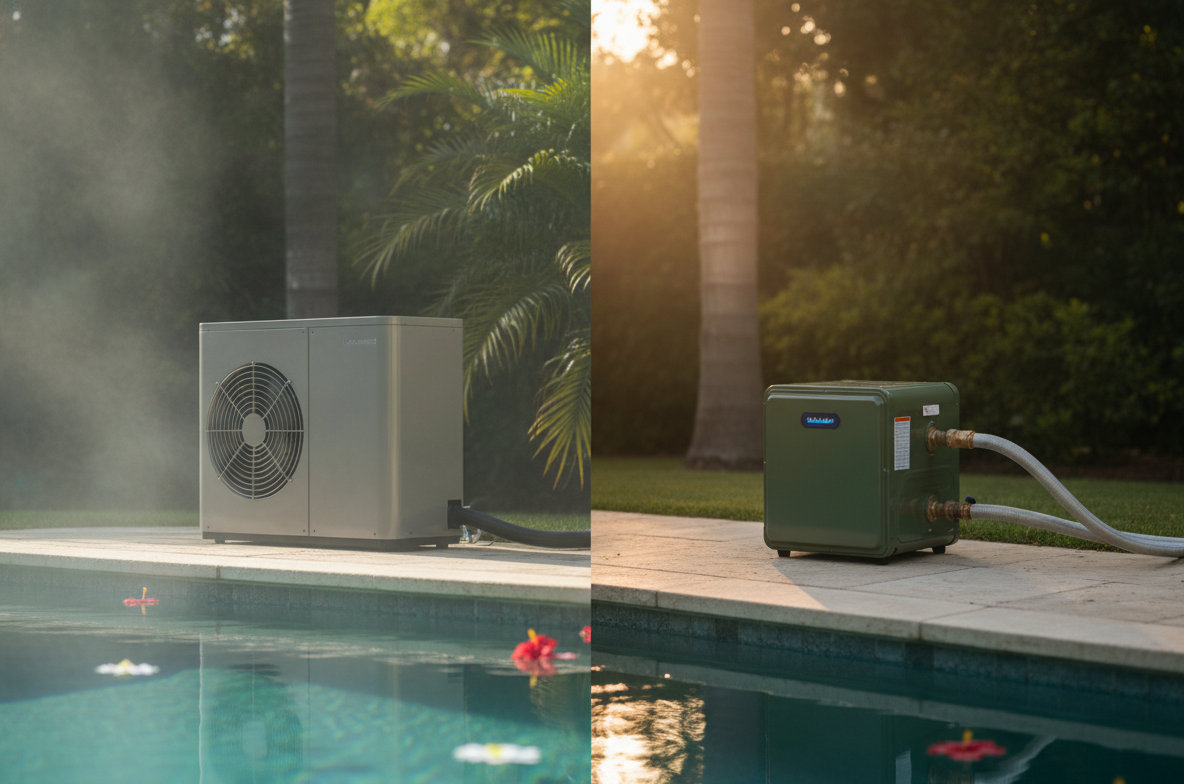
Heating a swimming pool extends your swimming season and increases enjoyment. Choosing between an electric pool heater, often called a pool heat pump, and a gas pool heater requires understanding their distinct operational principles and cost implications. For most above-ground pool owners seeking energy efficiency and consistent warmth, an electric pool heat pump, particularly models designed for smaller pools, often offers the best long term value and ease of installation.
Understanding Electric Pool Heaters (Heat Pumps)
Electric pool heaters, or heat pumps, do not generate heat directly from electricity. Instead, they extract heat from the surrounding air and transfer it to the pool water. This process makes them highly energy-efficient. A fan pulls in ambient air, which passes over an evaporator coil containing a liquid refrigerant. The refrigerant absorbs heat from the air and turns into a gas. This gas then moves through a compressor, which increases its temperature and pressure. Finally, the hot gas passes through a condenser coil, where it transfers its heat to the cooler pool water circulating through the heater. The refrigerant then returns to its liquid state and the cycle repeats.
Strengths of Electric Pool Heat Pumps
- Energy Efficiency: Pool heat pumps are known for their high Coefficient of Performance (COP), meaning they produce more heat energy than the electrical energy they consume. This translates to lower monthly operating costs compared to gas heaters.
- Environmental Impact: Since they transfer existing heat rather than burning fossil fuels, electric pool heaters produce fewer greenhouse gas emissions. This makes them a more environmentally friendly choice for many homeowners.
- Ease of Installation for Smaller Models: Many smaller electric pool heaters are designed for plug and play operation. The Swimming Pool Heater for Above Ground Pool 18450BTU, our top pick, is designed for 10 to 14 ft above ground pools. This 5KW pool heat pump efficiently warms water for small to medium setups. It intelligently adjusts operation based on water temperature and system needs, optimizing energy use. Powered by standard 110V household outlets, this plug and play pool heater often installs in under 30 minutes, simplifying setup. For slightly larger above-ground pools, the Swimming Pool Heater for Above Ground Pool 30000BTU provides more heating power. It is perfect for pools up to 8,000 gallons. This 120V plug & play pool heater also avoids complicated wiring, meaning no professional installation is needed for many homeowners. It emphasizes energy-efficient heating, designed to reduce electricity costs compared to traditional methods.
- Quiet Operation: Most modern heat pumps operate quietly, producing only the sound of a fan motor, which is usually less intrusive than a gas heater's burner noise.
Weaknesses of Electric Pool Heat Pumps
- Slower Heating: Heat pumps take longer to initially heat a pool, especially from a very cold starting temperature, because they rely on extracting heat from the air.
- Performance in Cold Weather: Their efficiency drops significantly in colder ambient temperatures. Most heat pumps become less effective, or even stop working, when air temperatures fall below 45-50°F (7-10°C).
- Higher Initial Cost: The upfront purchase price of a pool heat pump is generally higher than a comparable gas heater.
Understanding Gas Pool Heaters
Gas pool heaters, powered by either natural gas or propane, generate heat by burning fuel in a combustion chamber. Pool water circulates through a heat exchanger, absorbing the heat produced by the burning gas. The heated water then returns to the pool. These heaters are essentially large water heaters specifically designed for pools.
Strengths of Gas Pool Heaters
- Fast Heating: Gas heaters can warm a pool much faster than heat pumps. This makes them ideal for quickly heating a pool for spontaneous use or for pools used only occasionally.
- Consistent Performance: Their heating ability is not dependent on ambient air temperature. They perform equally well in cold weather as they do in warm weather, making them suitable for year-round use in colder climates.
- Lower Initial Cost: The purchase price of a gas heater is typically lower than that of a pool heat pump.
Weaknesses of Gas Pool Heaters
- Higher Operating Costs: Burning natural gas or propane is generally more expensive than running an electric heat pump, leading to significantly higher monthly utility bills, especially with frequent use.
- Environmental Impact: Gas heaters release greenhouse gases and other pollutants into the atmosphere through combustion.
- Installation Complexity: Installing a gas heater often requires running a gas line, which can be a complex and costly process if one is not already available near the pool equipment pad. Professional installation by a licensed plumber or gas fitter is usually necessary.
- Noise: Gas heaters can be noisier than heat pumps due to the burner firing and exhaust fan operation.
Pool Heat Pump vs. Gas Heater: Side-by-Side Comparison
This table summarizes the key differences between electric pool heaters and gas pool heaters.
| Feature | Electric Pool Heater (Heat Pump) | Gas Pool Heater |
|---|---|---|
| Heat Source | Extracts heat from ambient air | Burns natural gas or propane |
| Initial Cost | Higher | Lower |
| Operating Cost | Lower (energy efficient) | Higher (fuel consumption) |
| Heating Speed | Slower (hours to days) | Faster (minutes to hours) |
| Performance in Cold Weather | Decreases below 50°F (10°C) | Unaffected by cold air |
| Environmental Impact | Lower emissions | Higher emissions |
| Installation | Often DIY for smaller models, electrical hookup for larger units | Requires gas line, professional installation usually needed |
| Maintenance | Regular coil cleaning, filter checks | Burner assembly checks, gas line inspection |
Which Heater is Best for Your Pool?
Electric Pool Heat Pumps are Best For:
- Moderate Climates: Regions where air temperatures rarely drop below 50°F (10°C) during the desired swimming season.
- Long Swimming Seasons: Owners who want to extend their swimming season by several months, as the lower operating costs make continuous heating more affordable.
- Environmentally Conscious Owners: Those prioritizing a lower carbon footprint and reduced environmental impact.
- Budget-Conscious Operating Costs: Swimmers who use their pool frequently and are focused on minimizing their monthly utility bills.
- Above-Ground Pool Owners: Especially for smaller above-ground pools, the plug and play electric pool heater options offer simple setup and efficient heating.
Gas Pool Heaters are Best For:
- Cold Climates or Short Seasons: Owners in areas with short swimming seasons or cold nights who need to heat their pool quickly and reliably, regardless of air temperature.
- Intermittent Use: Pools that are used spontaneously or only on weekends, where rapid heating is a priority over continuous, energy-efficient operation.
- Spas and Hot Tubs: Gas heaters are very popular for hot tubs because they can heat a smaller volume of water very quickly. If your hot tub is not heating, a gas heater can often bring it up to temperature faster than an electric model.
- Lower Initial Budget: Those who prefer a lower upfront cost, even if it means higher operating expenses over time.
Installation and Maintenance Considerations
Proper installation is vital for the efficiency and longevity of any pool heater. For gas heaters, a licensed professional must handle gas line connections and venting to meet local codes. This can add significantly to the overall cost, potentially ranging from $1,000 to $5,000 or more depending on the need for new gas line extensions. Electric heat pumps typically require a dedicated electrical circuit, and larger units may need a 240V connection, often requiring an electrician. Smaller plug-and-play models, like the 110V Swimming Pool Heater for Above Ground Pool 18450BTU, simplify this greatly.
Regular maintenance helps ensure your heater runs efficiently. For all pool heaters, make sure your pool pump is priming correctly, as proper water flow is essential. Heat pumps benefit from keeping the evaporator coils clean and free of debris. Gas heaters require periodic inspection of the burner assembly and heat exchanger for corrosion or blockages. If your pool heater is not working, checking these components is often a good starting point. Regular filter cleaning is also important for water flow, whether you clean your pool filter sand or cartridges.
Cost Analysis: Initial vs. Operating Expenses
When comparing electric pool heaters vs gas, the cost conversation extends beyond the purchase price. While gas heaters generally have a lower initial cost, their operating expenses can quickly surpass the savings. The price of natural gas or propane fluctuates, but typically, heating a pool with gas costs significantly more per month than with an electric heat pump, especially if you heat the pool frequently. A gas pool heater might cost $300-$600 per month to run in peak season, while an electric heat pump could be $80-$200 per month, depending on pool size, climate, and usage.
Conversely, the higher upfront cost of an electric pool heater can be offset by lower monthly utility bills over its lifespan. The payback period for a heat pump, where the energy savings cover the initial price difference, can range from one to three years for frequently used pools. When considering repairs, a service call for either type of heater typically costs $80-$150 for diagnosis, with part replacement costs varying widely.
Final Recommendation
For most homeowners, especially those with above-ground pools or living in moderate climates, an electric pool heat pump offers the most economical and environmentally friendly solution for extending the swimming season. Its lower operating costs and increasingly simple installation options, like the plug-and-play models, make it a smart investment over the long term. While gas heaters provide rapid heating on demand, their higher operational costs and environmental impact make them a better fit for specific use cases, such as intermittent use or very cold climates.
Swimming Pool Heater for Above Ground Pool 18450BTU
- Designed for 10 to 14 ft above ground pools, this 5KW pool heat pump efficiently warms water for small.
- This electric pool heat pump intelligently adjusts operation based on water temperature and system.
- Powered by standard 110V household outlets, this plug and play pool heater installs in under 30 minutes.
- Equipped with a pure titanium heat exchanger, this pool heater for above ground pools is fully compatible.
Swimming Pool Heater for Above Ground Pool 30000BTU
- Perfect Pool Heat Pump for Small Pools up to 8,000 Gallons: Designed for above ground pools and small.
- 120V Plug & Play Pool Heater to No Professional Installation Needed: Skip the complicated wiring. This 120V.
- Energy-Efficient Heating to Reduce Electricity Costs: Save on energy bills compared to traditional.
- Smart WiFi Control: Supports 2.4GHz WiFi connection and works with the Smart Life app for remote.