
Grout Brush with Long Adjustable Handle, Swivel Scrub Brush, V-Shape Grout Line Scrubber with Stiff Bristle for Deep Cleaning
- V-Shape Grout Cleaning Brush: Features large long V-shape stiff bristles, ITTAR Grout Brush fits perfectly.
- Adjustable Stainless Steel Handle: ITTAR Floor scrub brush comes with 3-section stainless steel poles. You.
- Swivel Grout Brush Head: 180°ratable head, allows you scrub away grime or dust from different angle or.
- Easy to Install & Sturdy Construction: The floor scrubber brush is easy install. Screw on method design.
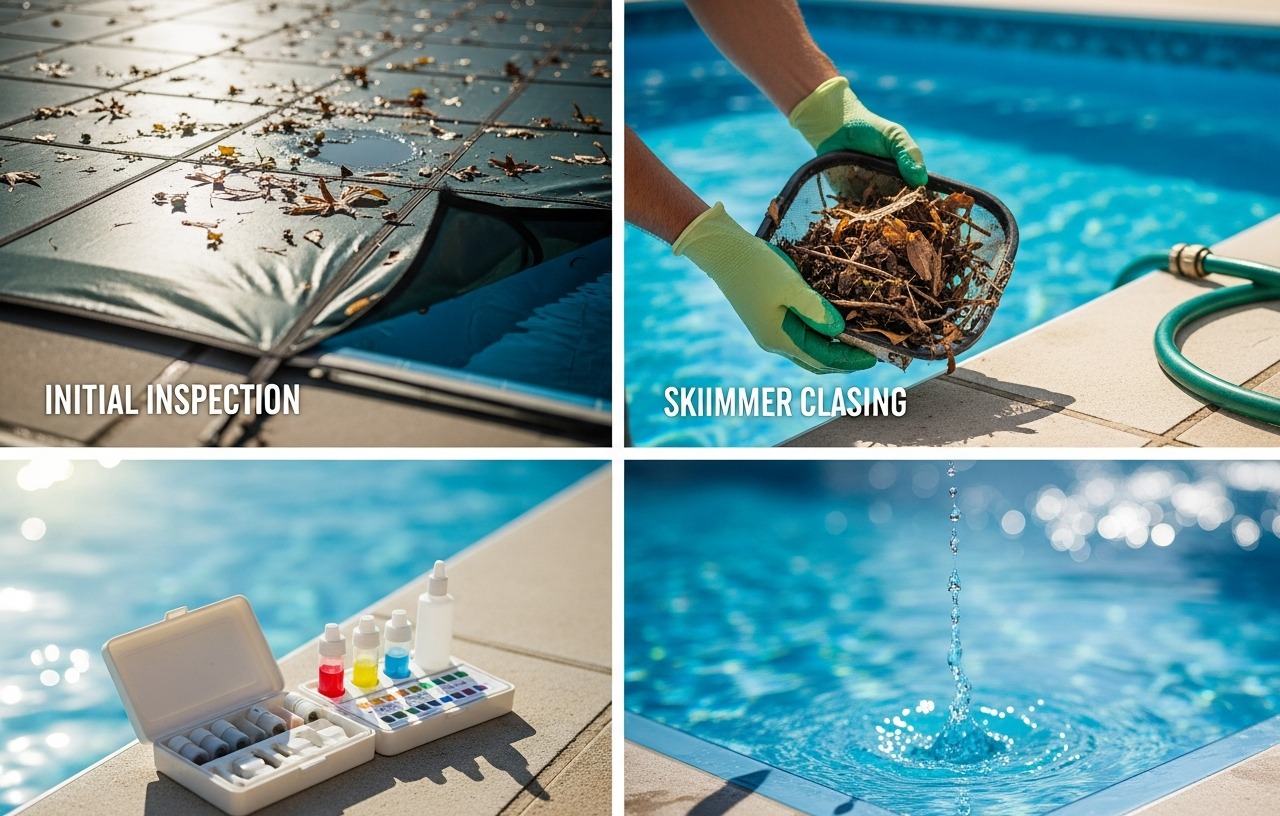
A dull, discolored line of grout between your pool tiles compromises the clean look of your entire swimming pool. Green or black patches of algae, mineral deposits, and grime cling stubbornly to these porous surfaces. Cleaning pool tile grout is a vital part of pool maintenance, not just for aesthetics but also for hygiene. This guide details how to clean swimming pool tile grout effectively, bringing back the sparkle to your pool's edge.
Why Clean Pool Tile Grout?
Over time, pool grout, especially near the waterline or on pool coping, accumulates various contaminants. These include algae, mildew, calcium buildup, and general dirt. Neglecting these areas can lead to deeper staining and a less inviting swimming environment. Regular cleaning helps prevent these issues from becoming severe. It also extends the life of your grout and tiles.
When to Clean Pool Tile Grout?
The frequency for cleaning pool tile and grout depends on several factors, including pool usage, water chemistry, and environmental conditions. Many pool owners find a thorough cleaning necessary at least once a season, often during their pool opening checklist. You should also clean swimming pool grout whenever you notice significant discoloration, visible algae growth, or mineral deposits forming on the grout lines. Addressing issues early makes the cleaning process easier.
Tools and Materials
Gathering your supplies before you begin makes the job smoother.
- Safety goggles
- Rubber gloves
- Old clothes
- Pool brush (soft and stiff bristle options)
- Grout brush (such as the ITTAR Grout Brush with Long Adjustable Handle)
- Bucket
- Garden hose
- Wet/dry vacuum (optional, for lowering water level)
- pH test kit
- Algae brush (if significant algae is present)
- Cleaning solutions:
- White vinegar
- Baking soda
- Borax
- Commercial pool tile and grout cleaner (acidic for mineral, enzymatic for organic)
- Chlorine shock (for severe algae)
Safety First
Working with pool chemicals requires caution. Always wear safety goggles and rubber gloves to protect your eyes and skin. Work in a well-ventilated area. If you use strong chemicals, follow manufacturer instructions carefully. Keep children and pets away from the work area during cleaning. Test any cleaning solution on an inconspicuous spot first to make sure it does not damage your tiles or grout.
step by step Guide to Cleaning Pool Tile Grout
Step 1: Prepare the Pool and Gather Supplies (Estimated Time: 15-30 minutes)
Before you start scrubbing, organize your tools and materials. Make sure you have everything listed above within easy reach. This prevents interruptions once you begin the cleaning process.
Step 2: Lower the Pool Water Level (Estimated Time: 1-4 hours, if needed)
For cleaning the waterline tile grout or pool coping grout, you will likely need to lower your pool's water level. This exposes the entire area needing attention. Use your pool's main drain or a submersible pump to drop the water about 6-12 inches below the lowest tile line. If you only have minor spots above the water, you may not need to lower the level.
Step 3: Pre-Soak the Grout (Estimated Time: 10-15 minutes)
Spray the dirty grout lines with plain water from a garden hose. This helps loosen surface dirt and prepares the grout to absorb your cleaning solution better. For stubborn grime, mix a solution of warm water and a small amount of dish soap in a spray bottle. Apply it to the grout and let it sit for a few minutes before scrubbing.
Step 4: Choose and Apply Your Cleaning Solution (Estimated Time: 15-30 minutes)
The type of stain determines the best cleaning agent.
- For Algae and Organic Stains: Mix a paste of baking soda and a small amount of water. For tougher algae, especially for how to clean algae from pool tile grout, a solution of one part white vinegar to one part water works well. For very severe cases, a diluted chlorine shock solution (following product instructions carefully) can be effective.
- For Mineral Deposits (Calcium/Scale): White vinegar is often sufficient for light scale. For heavier calcium buildup, a commercial acidic pool tile and grout cleaner specifically designed for pools is more effective. Always follow the product's directions precisely.
Apply your chosen solution directly to the grout lines. Let it sit for 5-10 minutes to penetrate the grime. Do not let the solution dry on the tiles.
Step 5: Scrub the Grout (Estimated Time: 30 minutes to several hours, depending on pool size)
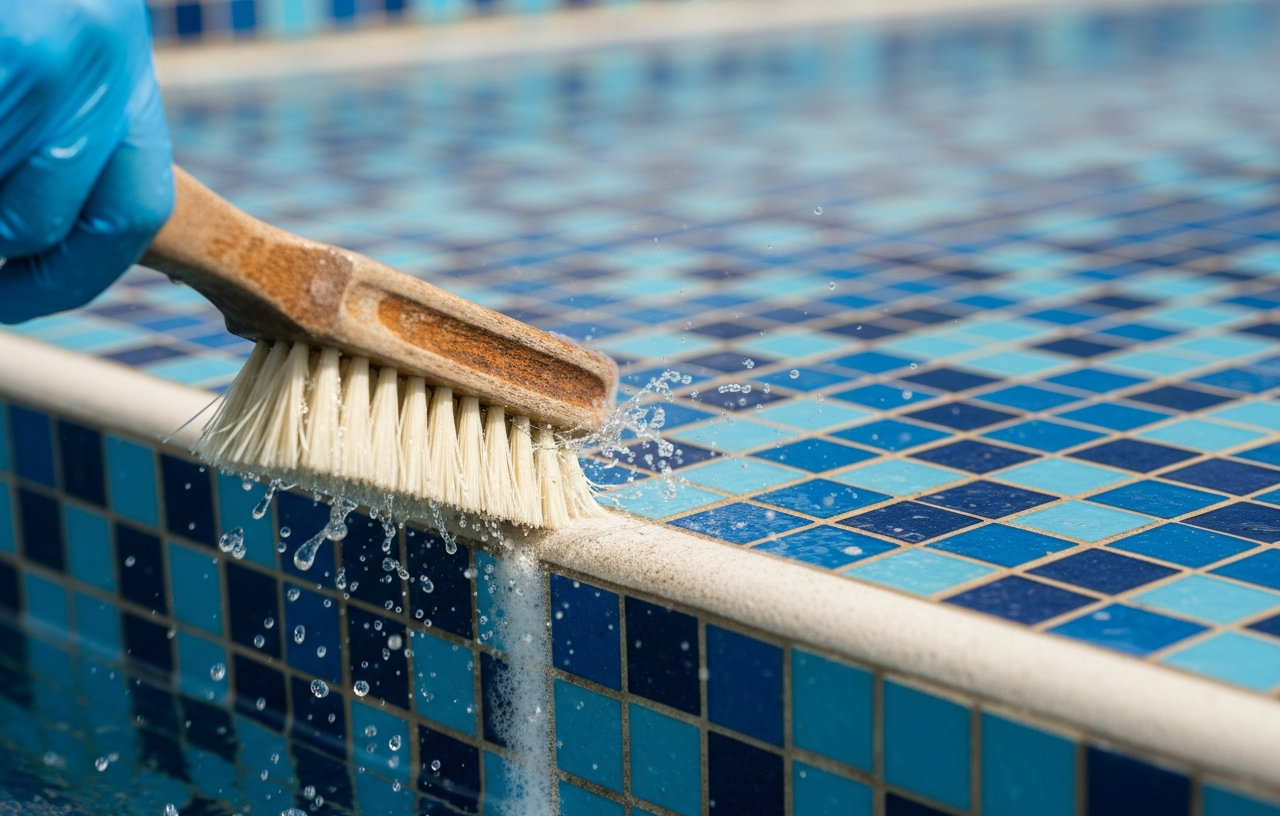
This is where the elbow grease comes in. Use a stiff-bristle grout brush to scrub the dirty lines. The ITTAR Grout Brush with Long Adjustable Handle is a good choice for this task. The 180° rotatable head allows you to reach different angles easily, making it simpler to clean pool coping grout and other hard-to-reach areas. Scrub vigorously in small sections. For exceptionally tough spots, reapply the cleaning solution and let it sit longer before scrubbing again.
Step 6: Rinse Thoroughly (Estimated Time: 15-30 minutes)
After scrubbing a section, immediately rinse it with clean water from your garden hose. This removes the loosened dirt and cleaning solution. It also prevents the chemicals from drying on your pool tiles, which could lead to etching or discoloration. Make sure all residue is gone before moving to the next section.
Step 7: Rebalance Pool Chemistry (Estimated Time: 1-2 hours, plus testing time)
If you lowered your pool water, refill it to its normal operating level. Then, test your pool water chemistry. Cleaning solutions, especially acidic or chlorine-based ones, can alter pH and alkalinity. Adjust your pH, alkalinity, and chlorine levels as needed. For example, if your pH is too high, you may need to add a pH reducer. Learn more about how to lower pool pH for clear water. Proper water balance is important for swimmer comfort and equipment longevity.
Step 8: Prevent Future Grout Issues (Estimated Time: Ongoing)
Preventative measures reduce the frequency of deep cleaning.
- Maintain proper pool water chemistry consistently. Balanced pH and sanitizer levels inhibit algae and mineral buildup.
- Brush your pool tiles and grout regularly with a soft pool brush as part of your routine maintenance.
- Consider using a tile and grout sealant specifically designed for pools. This creates a barrier against staining and makes future cleaning easier.
- Address algae growth promptly. If you see early signs, shock your pool and brush the affected areas.
Professional Help for Stubborn Grout Stains
Sometimes, despite your best efforts to clean pool tile grout, some stains remain. This can happen with very old, deeply embedded stains or extensive calcium deposits. In these cases, contacting a professional pool cleaning service might be necessary. Professionals often use specialized equipment like pressure washers (with caution to avoid damaging grout) or stronger, commercial-grade chemicals.
The cost for professional pool tile cleaning can vary widely based on your location, pool size, and the severity of the stains. If the job requires draining the pool or extensive acid washing, the cost could be higher, potentially reaching $800 or more. A service call alone, which might include an assessment and minor spot treatment, typically costs $80-$150. Always get multiple quotes before committing to a service.
Conclusion
Cleaning swimming pool tile grout is a manageable task that significantly improves your pool's appearance and hygiene. Regular maintenance and prompt attention to stains will keep your pool looking pristine for years to come.
Grout Brush with Long Adjustable Handle, Swivel Scrub Brush, V-Shape Grout Line Scrubber with Stiff Bristle for Deep Cleaning
- V-Shape Grout Cleaning Brush: Features large long V-shape stiff bristles, ITTAR Grout Brush fits perfectly.
- Adjustable Stainless Steel Handle: ITTAR Floor scrub brush comes with 3-section stainless steel poles. You.
- Swivel Grout Brush Head: 180°ratable head, allows you scrub away grime or dust from different angle or.
- Easy to Install & Sturdy Construction: The floor scrubber brush is easy install. Screw on method design.