
HTH Pool Shock, Cal Hypo Formula, 13.3oz, Pack of 2 | Swimming Pool Care | Chlorinator | Boosts Chlorine Levels
- The information below is per-pack only
- Shock treat, sanitize, clarify, and help prevent bacteria and algae in your swimming pool water, all with.
- Multi-use pool shock with Cal Hypo; Use weekly to solve 90% of pool water problems within 24 hours.
- This Cal Hypo based formula sanitizes without adding cyanuric acid (CYA) to prevent overstabilization or.

HTH 52065 Pool Care Shock Advanced, Swimming Pool Chemical - Cal Hypo Formula, Prevents Bacteria & Algae, Restores Crystal Clear
- Kills bacteria, prevents algae, reduces odor, and restores clarity with advanced HTH chemistry.
- This Cal hypo powered swimming pool shock treatment clears cloudy water in just 24 hours for sparkling.
- Cal Hypo formula avoids overstabilization or chlorine lock while protecting pool health, so your chlorine.
- For best results, shock weekly with HTH Cal Hypo Shock Advanced.

HTH 52123 Super Shock Treatment Swimming Pool Chlorine Cleaner, 1 lb (Pack of 15)
- Increases the chlorine level in swimming pools to kill bacteria and algae to keep your pool water clear.
- Apply directly to pool water as needed; Test pool water and shock weekly to keep free available chlorine.
- Effective for all swimming pool types including pools with liners and Gunite pools, and saltwater pool systems
- Increases chlorine levels; Kills and prevents bacteria and algae; Keeps water clear; See results in 24.
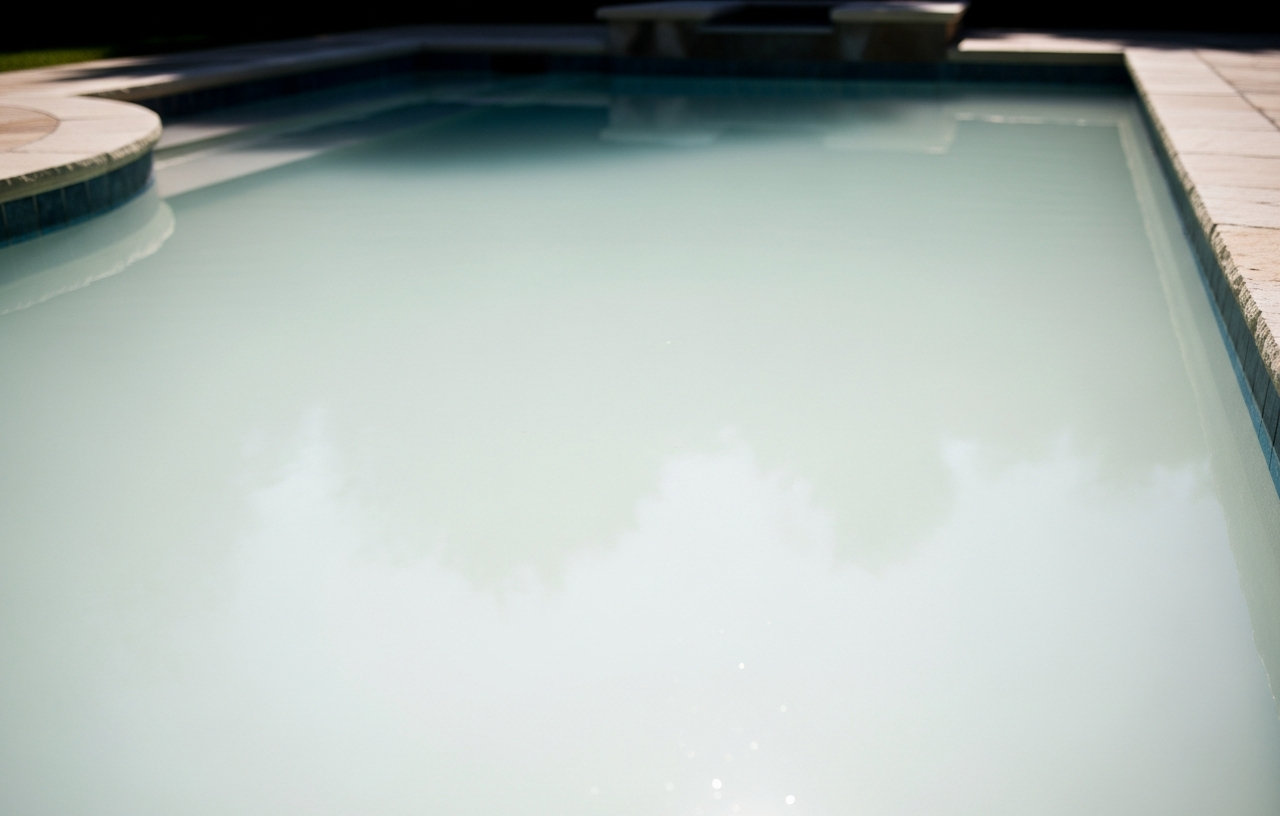
A sudden milky or hazy appearance in your pool water after adding chemicals like chlorine, pH increaser, or algaecide points to a few common culprits. This frustrating symptom often indicates a chemical reaction causing precipitation, an overworked or inefficient filtration system, or even dead organic matter. Identifying the exact cause helps you restore clarity quickly and enjoy your pool again.
Understanding why your pool water becomes cloudy is the first step toward fixing it. This way, you can get your pool sparkling clear without unnecessary expense.
Chemical Imbalance and Precipitation
Adding certain chemicals can temporarily cloud water. This is one of the most frequent reasons for a cloudy pool after adding chemicals. High pH or alkalinity, for example, can cause calcium to precipitate out of the water, especially after adding pH increaser (pH up). Overdosing chlorine or adding it incorrectly can also lead to cloudiness due to strong reactions with contaminants or insufficient mixing. If you added algaecide to pool now cloudy, it might be due to the algaecide doing its job.
Diagnosis: Checking Your Water Chemistry
Test your pool water immediately after noticing cloudiness. Use a reliable test kit or strips to get accurate readings. Pay close attention to pH, alkalinity, calcium hardness, and free chlorine levels. These are the most common indicators of chemical imbalance.
- Did you add pH increaser (e.g., soda ash)? High pH levels often lead to calcium scaling. This scaling appears as fine, suspended particles that make the water cloudy.
- Did you add chlorine shock? Cal-hypo shock, especially if not pre-dissolved, can temporarily cloud water. It also reacts strongly with contaminants, which can produce temporary cloudiness. This is a common reason for a cloudy pool after adding chlorine.
- Did you add algaecide? If algae was present in your pool, the algaecide killed it. The dead algae cells are microscopic and remain suspended, causing the pool to be cloudy. This is why an added algaecide to pool now cloudy scenario happens.
Fixes for Chemical-Related Cloudiness
- Adjust Chemistry: If your pH or alkalinity is too high, adjust it to the recommended range. A pH between 7.4 and 7.6 is ideal. You can learn more about how to lower pool pH if needed.
- Use a Clarifier: A pool clarifier helps tiny suspended particles clump together, making them large enough for your filter to capture. Follow the product instructions carefully.
- Run Filter Continuously: Run your pool filter continuously for 24-48 hours. This helps remove precipitated particles and dead algae. Make sure your filter is clean and functioning optimally.
- Shock Treatment (if needed): If chlorine levels are low and cloudiness persists, a shock treatment can help oxidize remaining contaminants. The HTH Pool Shock, Cal Hypo Formula, 13.3oz, Pack of 2 is a strong option. It shock treats, sanitizes, clarifies, and helps prevent bacteria and algae in your swimming pool water. This multi-use pool shock is designed to solve 90% of pool water problems within 24 hours when used weekly.
Costs for Chemical Fixes
DIY chemical adjustments typically cost $20-$100 for a bag of pH decreaser, a clarifier, or shock treatment. A service call for chemical balancing from a professional can run $80-$150, plus the cost of any chemicals they apply. These estimates are typical for 2026.
Inefficient or Clogged Filtration System
A cloudy pool after adding chemicals might not be directly caused by the chemicals themselves, but by a filtration system failing to keep up. Chemicals can sometimes loosen dirt or create fine particles that an underperforming filter cannot capture. A dirty filter, a filter operating with too much pressure, or a malfunctioning pump can all contribute to the problem of cloudy pool water after adding chemicals.
Diagnosis: Checking Your Filtration System
Inspect your entire filtration system to pinpoint any issues.
- Check Your Filter Pressure Gauge: If the gauge reads significantly higher than its clean starting pressure (typically 8-10 PSI above), your filter is dirty and needs cleaning. High pressure means the filter is struggling to push water through. You can read more about Pool Filter Pressure Too High: Causes & Quick Fixes.
- Inspect Skimmer and Pump Baskets: A full skimmer basket or pump basket restricts water flow to the filter, reducing its efficiency. Remove any debris.
- Listen to Your Pump: Unusual noises, such as grinding or whining, or weak water flow from your return jets can indicate a problem with your pool pump.
Fixes for Filtration Issues
- Clean or Backwash Filter: For sand or DE filters, backwash until the water runs clear. For cartridge filters, remove and thoroughly clean the cartridges. Make sure to follow manufacturer instructions. See How to Clean Pool Filter Sand for detailed steps if you have a sand filter.
- Empty Baskets: Regularly empty your skimmer and pump baskets. This improves water flow and reduces strain on your pump.
- Check Pump Priming: Make sure your pump is priming correctly and maintaining strong suction. If your pool pump is not priming, address that issue promptly.
- Run Filter Longer: After cleaning or making repairs, run the filter continuously until the pool water clears.
Costs for Filtration System Fixes
DIY filter cleaning costs are minimal, usually involving only your time and water. Professional filter cleaning can range from $100-$300, depending on the filter type and accessibility. Chlorine and algaecides kill algae, but the dead algae cells are microscopic. They remain suspended in the water, making it hazy. This also applies to other organic contaminants that chlorine oxidizes, such as pollen, leaves, or even swimmer waste.
Diagnosis: Identifying Dead Algae
Consider the recent history of your pool to diagnose dead algae.
- Previous Algae Bloom: Recall if your pool was green or had visible algae before you added chemicals. If so, the cloudiness is almost certainly due to dead algae.
- Water Test Results: A water test will likely show low chlorine levels. This means the chlorine was consumed killing the algae. You might also find high phosphate levels, which is food for algae.
Fixes for Dead Algae Cloudiness
- Flocculant or Clarifier: A pool flocculant causes small particles to clump together and sink to the bottom for easy vacuuming. A clarifier helps the filter capture smaller particles more effectively. Always follow the product instructions carefully.
- Vacuum to Waste: If you use a flocculant, let the particles settle overnight. Then, vacuum them directly to waste. This bypasses your filter, preventing it from getting overloaded with dead algae.
- Run Filter Continuously: Continuous filtration will eventually remove dead algae, especially when combined with a clarifier. Make sure to backwash or clean your filter frequently during this process.
- Re-shock (if necessary): If a significant amount of organic matter remains and chlorine levels are still low, another shock treatment may be needed. The HTH Pool Shock, Cal Hypo Formula is effective for this, killing bacteria and preventing algae, and restoring clarity.
Costs for Dead Algae Treatment
Pool clarifiers or flocculants typically cost $15-$40 per bottle. DIY vacuuming is free. Professional vacuuming and chemical treatment for dead algae can be $120-$250 per visit, depending on pool size and severity.
High Calcium Hardness or Total Dissolved Solids (TDS)
Sometimes, pool water cloudy after adding chemicals is worsened by underlying water chemistry issues like high calcium hardness or high total dissolved solids (TDS). When you add other chemicals, especially pH increaser or even chlorine, these existing high levels can reach a saturation point. This causes minerals to precipitate and cloud the water. This is particularly relevant if you see cloudy pool water after adding pH increaser.
Diagnosis: Testing for Mineral Levels
Use a comprehensive water test kit to check calcium hardness and TDS levels. These tests go beyond basic chlorine and pH checks.
- Calcium Hardness: Ideally, calcium hardness should be between 200-400 ppm. Levels above 400 ppm increase the risk of scaling and cloudiness.
- Total Dissolved Solids (TDS): TDS should ideally be below 1500 ppm, or no more than 1000 ppm above your fill water's TDS. High TDS means your water is saturated with dissolved minerals and salts, making it harder for chemicals to work effectively.
Fixes for High Calcium Hardness or TDS
- Partial Drain and Refill: If calcium hardness or TDS are excessively high, the most effective solution is a partial drain and refill with fresh water. This dilutes the concentration of minerals.
- Use a Sequestrant: A calcium sequestrant can bind with minerals, preventing them from precipitating. It helps them stay suspended so the filter can remove them, or at least prevents new scaling on pool surfaces.
- Preventative Measures: Regular testing and maintaining balanced chemistry prevents these levels from getting too high in the first place.
Costs for High Mineral Treatment
DIY draining and refilling only costs water, typically $50-$150 depending on water rates and pool size. Sequestrants cost $20-$50 per bottle. Professional water balancing and treatment can be $100-$200, excluding the cost of a full drain and refill, which can be $300-$600 for a pro to handle.
Prevention is Key to Clear Pool Water
Preventing cloudy pool water after adding chemicals is far easier than fixing it. Consistent maintenance habits keep your water clear and balanced.
- Regular Water Testing: Test your pool water at least 2-3 times per week, especially during heavy use or after adding chemicals. Maintain proper levels for pH (7.4-7.6), alkalinity (80-120 ppm), and free chlorine (1-3 ppm).
- Proper Dosing: Always follow chemical manufacturer instructions precisely. Add chemicals slowly, distributing them evenly, and allow time for them to dissolve and circulate before retesting or adding more.
- Pre-dissolve Granular Chemicals: Many granular chemicals, like calcium hypochlorite shock, should be pre-dissolved in a bucket of water before adding them to the pool. This prevents undissolved particles from creating cloudiness or staining the pool surface.
- Consistent Filtration: Run your pool filter for at least 8-12 hours daily. This ensures proper circulation and removal of contaminants. Regularly clean your skimmer and pump baskets.
- Filter Maintenance: Backwash or clean your filter according to manufacturer recommendations or when pressure rises 8-10 PSI above its clean reading. This makes sure optimal filtration efficiency. For more on seasonal maintenance, check out How to Open Your Pool for Summer: Complete 2026 Checklist.
When to Call a Professional
Most cloudy pool issues after adding chemicals can be resolved with DIY efforts. However, there are times when professional help is advisable.
- If you have followed these steps and your pool remains stubbornly cloudy for more than 48-72 hours.
- If you suspect a major equipment malfunction with your pump or filter that you are not comfortable addressing yourself.
- If you are uncomfortable handling pool chemicals or performing advanced water diagnostics.
A pool technician can perform advanced water testing, diagnose equipment issues, and apply professional-grade treatments. Service calls typically range from $80-$150, with additional costs for repairs or extensive chemical treatments.
HTH Pool Shock, Cal Hypo Formula, 13.3oz, Pack of 2 | Swimming Pool Care | Chlorinator | Boosts Chlorine Levels
- The information below is per-pack only
- Shock treat, sanitize, clarify, and help prevent bacteria and algae in your swimming pool water, all with.
- Multi-use pool shock with Cal Hypo; Use weekly to solve 90% of pool water problems within 24 hours.
- This Cal Hypo based formula sanitizes without adding cyanuric acid (CYA) to prevent overstabilization or.
HTH 52065 Pool Care Shock Advanced, Swimming Pool Chemical - Cal Hypo Formula, Prevents Bacteria & Algae, Restores Crystal Clear
- Kills bacteria, prevents algae, reduces odor, and restores clarity with advanced HTH chemistry.
- This Cal hypo powered swimming pool shock treatment clears cloudy water in just 24 hours for sparkling.
- Cal Hypo formula avoids overstabilization or chlorine lock while protecting pool health, so your chlorine.
- For best results, shock weekly with HTH Cal Hypo Shock Advanced.
HTH 52123 Super Shock Treatment Swimming Pool Chlorine Cleaner, 1 lb (Pack of 15)
- Increases the chlorine level in swimming pools to kill bacteria and algae to keep your pool water clear.
- Apply directly to pool water as needed; Test pool water and shock weekly to keep free available chlorine.
- Effective for all swimming pool types including pools with liners and Gunite pools, and saltwater pool systems
- Increases chlorine levels; Kills and prevents bacteria and algae; Keeps water clear; See results in 24.


